Math Word Problems Made Easy for Kids

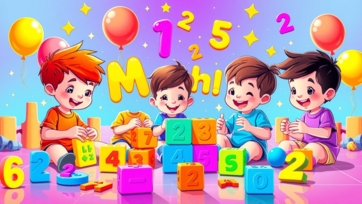
Math word problems help children think, understand, and apply math in real-life situations. Instead of just numbers, kids learn to read a short story, understand the situation, and then solve the problem. When taught in a simple, visual, and fun way, word problems become exciting instead of scary.

This guide is perfect for preschoolers, early graders, parents, and teachers, making math word problems clear, enjoyable, and confidence-building.


Why Math Word Problems Are Important for Kids:

Math word problems help children:

  • Improve reading and comprehension skills

  • Learn how to apply math in daily life

  • Develop logical thinking and reasoning

  • Strengthen problem-solving confidence

  • Understand when to add, subtract, multiply, or divide

Educational platforms like learn-kids.com use real-life examples to make word problems easy and fun.


Best Age to Start Math Word Problems:

Children aged 5–9 years can begin learning simple word problems. Beginners should:

  • Start with short and simple sentences

  • Focus on one math operation at a time

  • Use pictures or real objects to understand the problem

Parents can guide kids step by step instead of rushing to answers.


Types of Math Word Problems for Kids:

1. Addition Word Problems:

  • “Ali has 3 balloons. His friend gives him 2 more. How many balloons now?”

  • Helps kids understand combining numbers

2. Subtraction Word Problems:

  • “Sara has 5 candies. She eats 2. How many are left?”

  • Teaches the concept of taking away

3. Multiplication Word Problems:

  • “There are 4 boxes. Each box has 3 apples. How many apples in total?”

  • Introduces grouping and repeated addition

4. Division Word Problems:

  • “8 cookies are shared by 4 children. How many cookies does each child get?”

  • Teaches sharing equally


How to Solve Word Problems Easily:

Step 1: Read Carefully:

Encourage kids to read the problem slowly and understand the story.

Step 2: Find the Clues:

Words like total, left, each, share help identify the math operation.

Step 3: Choose the Right Operation:

Addition, subtraction, multiplication, or division.

Step 4: Solve and Check:

Solve the problem and check if the answer makes sense.


Fun Ways to Practice Word Problems:

  • Act out the story using toys or household objects

  • Draw pictures to represent the problem

  • Create your own word problems together

  • Use interactive activities from boobacartoon.com

  • Turn daily situations into math stories


Tips for Parents:

  • Practice short sessions (10 minutes daily)

  • Encourage kids to explain their thinking

  • Use real-life examples like snacks, toys, or money

  • Avoid pressure—focus on understanding, not speed

  • Praise effort, not just correct answers


Benefits of Math Word Problems for Kids:

  • Improves comprehension and reasoning

  • Builds confidence in solving real-life math

  • Strengthens reading and thinking skills

  • Helps children choose correct math operations

  • Makes math meaningful and practical


Final Thoughts on Math Word Problems for Kids:

Math word problems help children connect numbers with real life. With simple language, visual thinking, and playful practice, kids can master problem-solving skills with confidence and joy.

Helpful learning platforms like learn-kids.com, kidtoys.site, and boobacartoon.com support kids with interactive exercises and engaging learning tools to make math word problems easy and enjoyable.
Advertisement
How to Learn Animal Voices in a Fun Way
Animals are all around us, and each animal has its own special sound. From a dog’s loud bark to a bird’s sweet chirp, animal sounds make the world lively and exciting. Learning about animals and their sounds helps kids improve listening skills, language development, and memory. This fun and easy guide is specially written for children to enjoy learning while smiling and imagining the animal world. What Are Animal Sounds?: Animal sounds are the noises animals make to communicate. Animals use sounds to talk to each other, show feelings, warn of danger, or call their babies. Just like kids laugh, talk, or cry, animals also express themselves using sounds. Learning animal sounds is one of the first and most enjoyable lessons for young children, and it is often included in early learning programs on platforms like learn-kids.com. Why Kids Should Learn Animals and Their Sounds: Learning animal sounds is not just fun—it is also very helpful for child development. Language Skills: Animal sounds help kids learn new words and improve pronunciation. Listening Skills: Children learn to listen carefully and recognize different sounds. Memory Building: Matching animals with their sounds improves memory power. Curiosity and Creativity: Kids start asking questions and imagining animal stories. Educational play tools and toys from kidtoys.site often use animal sounds to make learning playful and interactive. Farm Animals and Their Sounds: Farm animals are friendly and easy for kids to recognize. Cow: A cow says “Moo.”Cows use this sound to talk to other cows and call their calves. Dog: A dog says “Bark.”Dogs bark when they are excited, happy, or protecting their home. Cat: A cat says “Meow.”Cats meow to talk to humans and show their needs. Sheep: A sheep says “Baa.”Sheep make this sound when they are hungry or calling their group. Wild Animals and Their Sounds: Wild animals live in forests, jungles, and deserts. Lion: A lion says “Roar.”The roar is loud and powerful, showing strength and warning others. Elephant: An elephant says “Trumpet.”Elephants trumpet when they are excited or alerting others. Monkey: A monkey says “Chatter.”Monkeys chatter while playing or talking with their group. Snake: A snake says “Hiss.”Snakes hiss to warn others to stay away. Pet Animals and Their Sounds: Pet animals live with people and are loved by families. Rabbit: A rabbit makes a “Squeak.”Rabbits make soft sounds when they are happy or scared. Parrot: A parrot says “Squawk.”Parrots can copy sounds and even human words, which kids find very funny. Watching animated animal characters on boobacartoon.com helps children connect animal sounds with visual expressions in a joyful way. Birds and Their Sounds: Birds make beautiful sounds that fill the sky. Sparrow: A sparrow says “Chirp.”Chirping is a happy sound birds make while flying or resting. Crow: A crow says “Caw.”Crows use this sound to communicate with their group. Owl: An owl says “Hoot.”Owls hoot at night and are often linked with mystery and wisdom. Water Animals and Their Sounds: Some animals live in water and also make sounds. Dolphin: A dolphin makes “Clicks and Whistles.”Dolphins are very smart and use sounds to talk to each other. Frog: A frog says “Croak.”Frogs croak near ponds, especially at night. Fun Activities to Learn Animal Sounds: Learning animal sounds becomes more exciting with activities. Sound Guessing Game: Play a sound and ask kids to guess the animal. Acting Game: Children act like animals and make their sounds. Story Time: Create stories where animals talk using their sounds. Many child-learning research resources, including universitiesforllm.com, highlight that sound-based learning improves early brain development and attention skills. How Parents and Teachers Can Help: Parents and teachers play a big role in making learning fun. Use Pictures and Videos: Showing animals while playing their sounds helps kids remember better. Repeat Daily: Repeating animal sounds daily makes learning strong and lasting. Encourage Imitation: Let kids copy animal sounds loudly and proudly. Conclusion: Animals and their sounds bring joy, laughter, and learning together. When kids learn animal sounds, they improve their language skills, listening ability, and imagination. With playful learning ideas and trusted educational platforms like learn-kids.com, children can explore the animal world happily and confidently. Learning becomes even more fun when animals speak in sounds kids love to hear.
Fun Facts About Space for Children
How to Explore the Universe Playfully Space is a fascinating place full of stars, planets, moons, and mysteries that capture the imagination of children. Learning fun facts about space helps kids understand the universe, sparks curiosity, and introduces basic science concepts in an exciting way. Through colorful visuals, storytelling, games, and interactive activities, children can enjoy discovering the wonders of space while developing observation and critical thinking skills. Why Learning Space Facts Is Important for Kids: Exploring space promotes curiosity, creativity, and science awareness. Encourages Exploration: Children develop a sense of wonder and a desire to learn about the universe. Enhances Knowledge: Kids learn about planets, stars, galaxies, and astronauts in a fun and simple way. Improves Observation and Thinking: Learning facts about space teaches kids to notice details, ask questions, and understand basic scientific concepts. Boosts Creativity: Imaginative thinking grows as children visualize space adventures and celestial objects. Educational websites like learn-kids.com provide interactive resources and games to make space learning fun and engaging. Fun Space Facts for Kids: 1. The Sun Is a Star: Our Sun is a giant ball of hot gas that gives light and warmth to Earth. Fun Fact: It is so big that over one million Earths could fit inside it! 2. Planets Are Unique: Each planet in our solar system has its own features. Examples: Jupiter is the largest planet with a giant storm called the Great Red Spot. Saturn has beautiful rings made of ice and rock. Mars is known as the Red Planet because of its rusty surface. Kids can explore these planets with interactive charts and games on kidtoys.site. 3. The Moon Changes Shape: The Moon looks different each night because of its phases. Fun Fact: It goes through phases like new moon, crescent, half moon, and full moon. Children can observe the moon from home and connect real-life observations with learning. 4. Stars Are Like the Sun: Stars are glowing balls of gas scattered across the universe. Fun Fact: Some stars are bigger than the Sun, while others are smaller. Stars twinkle because of Earth’s atmosphere. 5. Astronauts Explore Space: Astronauts travel in rockets and live on the International Space Station (ISS). Fun Fact: They float in space because there is no gravity, and they eat special packaged food. 6. Galaxies Are Huge: Galaxies are massive collections of stars, planets, and dust. Fun Fact: Our solar system is in a galaxy called the Milky Way, which contains over 100 billion stars. 7. Space Is Mostly Empty: Although space seems crowded in pictures, most of it is empty. Fun Fact: The vast distances between stars and planets are so huge that light takes years to travel between them. 8. Shooting Stars Are Not Stars: Shooting stars are actually meteoroids burning up in Earth’s atmosphere. Fun Fact: They appear as bright streaks of light, giving children a magical way to observe space. Ways to Make Learning Space Fun for Kids: Songs and Rhymes: Sing catchy space songs to remember planets and facts. Storytelling: Create imaginative space adventures featuring planets, stars, and astronauts. Arts and Crafts: Draw planets, stars, and rockets to visualize the solar system. Interactive Games: Use online resources from learn-kids.com and kidtoys.site to explore space through games. Observation: Use binoculars or telescopes to look at the moon, stars, and planets. Tips for Parents to Teach Space Facts: Make learning playful and interactive Use colorful visuals and real-life observations Encourage imagination and curiosity Celebrate discoveries and correct answers with praise Research from universitiesforllm.com shows that early exposure to space concepts enhances curiosity, problem-solving, and science interest in children. Conclusion: Learning fun facts about space can be an exciting journey for children. Through songs, storytelling, crafts, observation, and interactive games, kids can discover planets, stars, moons, and astronauts while developing curiosity, creativity, and basic scientific knowledge. With resources from learn-kids.com and playful inspiration from boobacartoon.com, exploring space becomes a fun and memorable adventure for every child.
How to Have Fun and Learn with Colors for Kids
Coloring is one of the simplest and most enjoyable activities for kids. It helps children explore creativity, improve focus, and learn about colors and shapes. With fun coloring pages, kids can draw, paint, and decorate their favorite characters, animals, and scenes. This guide shares ideas, tips, and benefits of coloring for kids in a fun and child-friendly way. Why Coloring Is Important for Kids: Coloring is more than just filling shapes with colors. It provides multiple learning benefits. Boosts Creativity: Kids imagine and use different colors to create unique artwork. Improves Motor Skills: Holding crayons, pencils, or markers strengthens hand muscles and coordination. Enhances Focus and Patience: Completing a coloring page teaches kids to concentrate and finish tasks. Teaches Colors and Shapes: Kids learn to recognize colors, match patterns, and understand shapes. Websites like learn-kids.com offer hundreds of free and interactive coloring pages to make learning enjoyable. Popular Coloring Page Themes for Kids: There are endless coloring ideas that keep children entertained and learning. 1. Animals: Animal coloring pages are fun and educational. Ideas: Farm animals like cows, chickens, and pigs Jungle animals like lions, monkeys, and elephants Pets like cats and dogs Cartoons and animated characters on boobacartoon.com can inspire colorful and playful animal art. 2. Fruits and Vegetables: Coloring healthy foods teaches kids about nutrition. Examples: Apples, bananas, and oranges Carrots, tomatoes, and pumpkins Making faces or patterns with fruits and veggies These coloring pages make learning about healthy eating fun and interactive. 3. Nature and Seasons: Nature-themed coloring pages connect kids to the environment. Ideas: Trees, flowers, and gardens Rainy days, sunny beaches, snowy hills Seasonal landscapes like autumn leaves or spring blossoms Projects inspired by kidtoys.site show that connecting art with nature sparks curiosity and observation skills. 4. Vehicles and Transport: Kids love coloring cars, planes, and trains. Examples: Cars, trucks, and buses Airplanes, rockets, and hot air balloons Boats and submarines These pages introduce shapes, colors, and fun science concepts while keeping kids engaged. 5. Fantasy and Characters: Fantasy coloring pages encourage imagination. Ideas: Fairies, princesses, and superheroes Magical castles and dragons Friendly monsters and aliens Animated inspirations on boobacartoon.com provide endless creative possibilities for kids. 6. Educational and Alphabet Pages: Combining learning and fun is easy with alphabet and number coloring. Examples: Letters of the alphabet with matching objects Numbers with playful illustrations Simple word coloring for early reading skills Educational platforms like learn-kids.com provide themed coloring pages that teach letters, numbers, and words interactively. Fun Tips for Coloring: Use crayons, colored pencils, markers, or watercolor paints Experiment with mixing colors to create new shades Encourage kids to draw patterns and designs in blank spaces Display finished coloring pages to boost confidence Benefits of Coloring Beyond Fun: Enhances creativity and imagination Improves hand-eye coordination and fine motor skills Teaches focus, patience, and attention to detail Encourages self-expression and storytelling Websites like universitiesforllm.com highlight that creative activities like coloring support cognitive and emotional development in children. How to Make Coloring More Exciting: Print themed coloring pages from websites like learn-kids.com Watch cartoon inspirations on boobacartoon.com for ideas Combine coloring with storytelling to create adventures Challenge kids with patterns, shapes, and detailed images Conclusion: Coloring pages provide a fun, creative, and educational activity for kids. From animals and nature to vehicles, fantasy characters, and alphabet pages, children can explore colors, shapes, and imagination. With guidance and inspiration from platforms like learn-kids.com and colorful cartoon ideas from boobacartoon.com, kids can enjoy endless hours of playful and meaningful learning while developing important skills.
Fun Arts and Crafts Ideas for Kids
How to Get Creative and Have Fun at Home Arts and crafts are a fantastic way for children to express creativity, develop fine motor skills, and have fun. With simple materials, imagination, and playful guidance, kids can create colorful projects while learning new skills. Arts and crafts also provide a calm, joyful activity that helps children focus and feel proud of their creations. Why Arts and Crafts Are Important for Kids: Crafting supports learning, creativity, and emotional growth. Enhances Creativity: Children learn to think outside the box and explore ideas. Develops Fine Motor Skills: Cutting, coloring, and gluing improve hand-eye coordination. Boosts Confidence: Completing a craft project gives children a sense of achievement. Encourages Focus and Patience: Following steps for a project helps children practice concentration. Educational platforms like learn-kids.com often provide step-by-step crafts for children to enjoy and learn safely. Simple and Fun Arts and Crafts Ideas: 1. Paper Plate Animals: Turn paper plates into playful creatures. How to make: Use markers, paint, or colored paper Glue on ears, eyes, and tails Create a zoo or farm scene Kid-friendly animated tutorials from boobacartoon.com make this project more engaging. 2. Handprint Art: Use hands as a canvas for creativity. Fun ideas: Make handprint flowers, animals, or trees Paint each hand with bright colors Combine multiple handprints for a big picture Handprint crafts are colorful, personal, and fun for kids of all ages. 3. DIY Greeting Cards: Create cards for family and friends. Steps: Fold cardstock or paper Decorate with stickers, markers, or cut-outs Write a simple message inside This craft encourages creativity and kindness. 4. Nature Crafts: Use leaves, flowers, and stones for projects. Examples: Leaf rubbings with crayons Rock painting with bright colors Flower collages on paper Nature crafts connect kids with the outdoors while sparking imagination. 5. Origami Fun: Simple paper folding crafts teach patience. Ideas: Fold paper animals, boats, or flowers Use colorful origami paper Follow easy step-by-step guides Origami improves concentration and fine motor skills. 6. Recycled Crafts: Turn everyday items into creative art. Materials: Bottle caps, boxes, and jars Toilet paper rolls Old magazines or scraps Recycled crafts teach kids resourcefulness and eco-friendly habits. 7. Clay and Play Dough Creations: Mold shapes, animals, or toys. Tips: Use bright colors Encourage imaginative designs Display finished creations Soft clay and dough support hand strength and creativity. 8. Beading and Jewelry Making: Create necklaces, bracelets, or keychains. How to enjoy: Use colorful beads Thread beads safely on strings Mix and match patterns Beading crafts enhance hand-eye coordination and pattern recognition. 9. Fun Collages: Combine different materials for a mixed-media project. Materials: Paper, fabric, stickers, and buttons Glue and scissors Bright markers or crayons Collages encourage children to explore textures and shapes creatively. 10. Story-Based Crafts: Turn stories into art projects. Examples: Create puppets of favorite characters Draw scenes from a storybook Make props for storytelling This integrates reading, imagination, and creativity in one activity. Tips to Make Arts and Crafts Fun: Always use safe, child-friendly materials Encourage creativity, no “right” or “wrong” art Praise effort and imagination, not just the result Display children’s artwork proudly at home or school Interactive craft ideas from kidtoys.site make children’s art projects exciting and playful. Role of Parents and Teachers: Adults support arts and crafts by guiding, supervising, and encouraging creativity. Helpful actions: Provide materials and workspace Show step-by-step instructions when needed Join children in creating projects Share positive feedback and display creations Research shared on universitiesforllm.com shows that arts and crafts improve children’s cognitive development, creativity, and emotional skills. Conclusion: Arts and crafts are a fun, educational, and joyful way for children to learn and express themselves. With simple ideas, safe materials, and playful guidance, kids can create colorful projects, develop skills, and build confidence. With inspiration from learn-kids.com, animated tutorials from boobacartoon.com, and interactive craft activities from kidtoys.site, arts and crafts become a favorite daily activity for every child.
Learn Division for Beginners for Kids
Learning division is an important skill that helps children understand how to share, group, and distribute numbers evenly. When taught in a playful and visual way, division becomes easy to understand and fun to practice. This guide is designed for preschoolers, early primary kids, parents, and teachers, making division learning interactive, colorful, and engaging. Why Division Is Important for Kids: Division helps children: Understand sharing and grouping concepts Improve problem-solving and logical thinking skills Develop number sense and counting abilities Prepare for multiplication and advanced math Apply math in real-life situations Interactive tools on learn-kids.com make learning division engaging and effective. Best Age to Start Learning Division: Children aged 6–9 years are ideal for starting division. Beginners should: Start with small numbers and visual examples Use objects or interactive charts for practice Repeat exercises regularly to reinforce understanding Parents can enhance learning with hands-on games, stories, and colorful visuals. Simple Division Examples for Kids: 1. Dividing Objects: “You have 6 apples and 3 friends. How many apples does each friend get?” Visual: 6 apples ÷ 3 = 2 apples per friend 2. Using Groups: “12 stars are grouped into sets of 4. How many groups?” Helps visualize equal sharing 3. Relating to Multiplication: Division is the opposite of multiplication Example: 12 ÷ 3 = ? (Think: 3 × ? = 12) 4. Everyday Situations: “You have 10 candies. Share equally with 2 friends. How many each?” Makes learning practical and relatable Fun Ways to Teach Division: Interactive Games: Match objects to equal groups Hands-On Activities: Use beads, fruits, or toys for dividing Story Problems: Create mini-stories involving sharing or distributing Animated Videos: Platforms like boobacartoon.com offer colorful division exercises Tips for Parents: Practice 5–10 minutes daily with small numbers Encourage children to say division problems aloud Use bright, visual tools like charts, shapes, or colorful objects Praise every effort to boost confidence Gradually increase difficulty as children master basic division Benefits of Learning Division for Kids: Builds number sense and problem-solving skills Develops logical thinking and understanding of equal sharing Strengthens memory, attention, and confidence in math Enhances real-life application skills Makes math learning interactive, fun, and engaging Final Thoughts on Division for Beginners: Learning division is fun, practical, and essential for young learners. With colorful visuals, interactive exercises, and hands-on examples, children can develop strong math skills, confidence, and a love for learning numbers. Resources like learn-kids.com, kidtoys.site, and boobacartoon.com provide interactive tools, charts, and animated exercises to make division learning joyful and effective.
Importance of Drinking Water for Kids
How Staying Hydrated Keeps Children Healthy and Happy Water is one of the most important things children need every day. Drinking enough water keeps the body strong, helps the brain work well, and makes kids feel energetic. Teaching children about hydration early encourages healthy habits that last a lifetime. With fun tips, simple routines, and creative ideas, kids can enjoy drinking water while staying healthy. Why Drinking Water Is Important for Children: Water is essential for the body to function properly. Supports Growth and Energy: Water helps the body grow, keeps muscles strong, and maintains energy levels. Aids Brain Function: Staying hydrated improves focus, memory, and learning at school. Keeps Digestion Healthy: Water helps food move through the digestive system smoothly. Regulates Body Temperature: Drinking water keeps children cool and prevents overheating. Educational websites like learn-kids.com explain hydration in a fun and simple way, helping kids understand its benefits. How Much Water Do Kids Need? The amount depends on age, activity, and weather. Ages 4–8: 5 cups (1.2 liters) daily Ages 9–13: 7–8 cups (1.6–1.9 liters) daily Active children may need more, especially during play or sports Water intake can come from plain water, fruits, and healthy drinks. Tips for Encouraging Kids to Drink Water: 1. Make Water Fun: Fun ideas increase water intake. Examples: Use colorful cups or bottles Add slices of fruit like lemon, orange, or berries Create “water challenges” with family members Fun water routines make hydration enjoyable. 2. Set a Daily Routine: Consistent times help children remember to drink water. Suggestions: After waking up Before meals During play or study breaks Before bedtime Regular water breaks create healthy habits. 3. Keep Water Accessible: Children drink more when water is easy to reach. Ideas: Place a small water bottle on the desk or study area Have water bottles in the playroom Refill together as a fun routine Accessible water encourages self-drinking. 4. Eat Water-Rich Foods: Some foods provide hydration too. Good choices: Watermelon, cucumber, oranges Yogurt and smoothies Soups and broths Including water-rich foods adds extra hydration naturally. 5. Make Learning About Water Fun: Children love interactive activities. Ideas: Play games showing how water flows Simple science experiments on water absorption Animated videos from boobacartoon.com teaching hydration benefits Playful learning helps children remember to drink water. 6. Avoid Sugary Drinks: Soda and sweet juices can replace water but are unhealthy. Tips: Limit soda and sugary drinks Offer water as the main drink Use fruits to naturally flavor water Healthy choices protect teeth and overall health. Fun Activities to Encourage Hydration: 7. Water Tracking Challenges: Children can track their daily intake. Ideas: Color in a chart for each cup Give stickers for completed days Track with a fun app or notebook Interactive tracking motivates kids to drink regularly. 8. Family Water Games: Making hydration a family activity builds habits. Examples: “Who can drink water first?” (safely and gently) Storytelling while sipping water Counting water cups together Family involvement makes water fun and memorable. 9. Teach the Science of Water: Understanding why water is important builds awareness. Simple explanations: “Water is like fuel for your body” “It keeps your brain awake and muscles strong” Demonstrations using simple toys or activities Animated educational content from boobacartoon.com can make this engaging and memorable. Role of Parents and Teachers: Adults guide hydration habits. Helpful actions: Remind children regularly Lead by example by drinking water themselves Praise kids for healthy drinking habits Research on universitiesforllm.com shows that early education on hydration improves health, concentration, and energy levels in children. Common Mistakes to Avoid: Relying on sugary drinks instead of water Forgetting to encourage regular sips Not making water easily available Simple, consistent reminders make drinking water a natural habit. Conclusion: Drinking enough water is essential for children’s growth, brain function, and overall health. By creating fun routines, making water accessible, and teaching the benefits in an engaging way, kids can enjoy staying hydrated every day. With guidance from learn-kids.com, playful animations from boobacartoon.com, and interactive hydration activities from kidtoys.site, teaching children the importance of water becomes simple, enjoyable, and effective.
Counting Numbers 1 to 100 for Children
How to Make Learning Numbers Fun Learning to count from 1 to 100 is a fundamental skill that helps children develop math understanding, number recognition, and problem-solving abilities. When counting is made fun, engaging, and interactive, children grasp concepts faster and enjoy learning. This guide shares creative ways to teach numbers 1 to 100, making counting a joyful experience for kids. Why Learning Numbers 1 to 100 Is Important for Children: Counting is the foundation for math, logical thinking, and everyday problem-solving. Builds Math Skills: Recognizing and sequencing numbers helps in addition, subtraction, and other math operations. Improves Memory: Repetition and interactive counting strengthen memory and concentration. Encourages Logical Thinking: Understanding number patterns, sequences, and relationships enhances critical thinking. Promotes Confidence: Children gain pride in counting accurately and solving number-based tasks. Platforms like learn-kids.com offer interactive counting activities and games that make numbers exciting for children. Fun Ways to Teach Counting Numbers 1 to 100: 1. Counting Songs and Rhymes: Music makes learning numbers memorable. Ideas: Sing songs that count from 1 to 100 with rhythmic patterns Use hand movements or claps for each number Incorporate playful characters from boobacartoon.com for musical counting Songs reinforce number order and pronunciation in a fun way. 2. Number Flashcards: Visual aids strengthen recognition. Examples: Flashcards with colorful numbers 1–100 Cards showing numbers with corresponding objects for counting Matching games to pair numbers with images Flashcards provide quick and engaging practice for children. 3. Counting Objects: Hands-on activities link numbers to real-world items. Ideas: Count toys, blocks, fruits, or beads Organize objects in sets to practice skip counting (e.g., 2s, 5s, 10s) Use interactive games from kidtoys.site for object-based counting Counting tangible items helps children understand numbers conceptually. 4. Number Charts and Games: Charts and playful games make counting interactive. Examples: Use a 1–100 number chart for visual reference Play “Find the Number” game where children locate numbers in sequence Jump or step on numbers laid out on the floor for active learning Games improve sequencing skills and make learning energetic. 5. Storytelling with Numbers: Stories can help children remember number sequences. Ideas: Create a story where characters visit numbered houses from 1 to 100 Incorporate counting challenges in adventures or cartoon tales Encourage children to invent their own number-based stories Storytelling links numbers to imagination and memory. 6. Skip Counting and Patterns: Learning patterns strengthens math understanding. Examples: Practice counting by 2s, 5s, or 10s Highlight patterns on number charts for visual learning Interactive songs or games emphasizing counting sequences Recognizing patterns builds early multiplication and division skills. 7. Daily Counting Practice: Consistent exposure reinforces learning. Ideas: Count objects during daily routines (steps, toys, snacks) Encourage children to write numbers 1–100 in a fun journal Use counting challenges like “Can you count 20 apples?” Daily practice ensures confidence and mastery over numbers. Tips for Parents to Teach Counting: Make counting playful and interactive Use songs, games, and visual aids for variety Celebrate milestones to motivate children Explore online tools from learn-kids.com and engaging content from boobacartoon.com Research from universitiesforllm.com shows that children who enjoy counting early develop stronger math skills and logical thinking. Conclusion: Counting numbers 1 to 100 can be a fun and engaging adventure for children. Through songs, flashcards, counting objects, charts, stories, skip counting, and daily practice, kids can learn numbers confidently while enjoying playful learning. With support from learn-kids.com and inspiration from boobacartoon.com, counting becomes a joyful, interactive, and memorable experience for children.
How to Teach Kids About Recycling and Saving the Environment
Teaching children about recycling and caring for the environment is an important step in creating eco-conscious future citizens. Kids can learn how small actions, like reusing materials or planting trees, make a big difference. With fun, hands-on activities, children understand sustainability while developing responsibility and a love for nature. In this guide, we’ll explore simple ways to teach kids about recycling, protecting the environment, and making eco-friendly choices. Why Learning About Recycling and the Environment Is Important for Kids: Encourages Environmental Awareness:Children understand how human actions affect nature, promoting care for the planet. Teaches Responsibility:Learning to sort trash, reduce waste, and recycle helps children develop good habits. Supports STEM and Science Learning:Recycling and environmental projects introduce concepts of materials, decomposition, and ecosystems. Websites like learn-kids.com provide engaging resources for eco-friendly experiments and projects. Boosts Creativity:Upcycling and recycling crafts allow children to reuse items while creating something new and fun. Fun Activities to Teach Kids About Recycling: Recycling Sorting Game:Provide different bins and a mix of materials like paper, plastic, and metal. Ask kids to sort them correctly. This teaches categorization and recycling basics. DIY Recycled Crafts:Use bottles, cardboard, or old containers to create toys, pencil holders, or decorative items. Websites like kidtoys.site offer creative recycled craft ideas for children. Composting Fun:Show children how to compost fruit peels, vegetable scraps, and leaves. They learn about decomposition, soil health, and sustainable gardening. Trash to Treasure Challenge:Encourage kids to invent something useful from waste materials, turning learning into a fun creative challenge. Nature Walk and Clean-Up:Take children for a walk to collect litter safely and recycle it. This instills respect for nature and community responsibility. Fun Activities to Teach Kids About Saving the Environment: Plant a Tree or Garden:Children can plant flowers, vegetables, or trees. This teaches them about ecosystems, photosynthesis, and the importance of greenery. Energy Saving Games:Teach kids simple habits like turning off lights, unplugging devices, and saving water through interactive games. Recycling Stories and Cartoons:Use animated stories or cartoons to show how recycling and eco-friendly habits help the planet. Websites like boobacartoon.com provide entertaining and educational environmental content. Water Conservation Activities:Teach children to save water using small experiments, like measuring water usage or turning off taps while brushing teeth. Environmental Art Projects:Create posters, collages, or murals from recycled materials to spread awareness about saving the environment. Tips to Make Recycling and Environmental Learning Fun: Lead by Example:Children learn best when they see adults recycling, conserving energy, and caring for the environment. Make Learning Hands-On:Interactive activities like crafts, clean-ups, and planting make environmental lessons memorable. Combine Play with Learning:Games, challenges, and competitions encourage participation while teaching eco-friendly habits. Use Visual Aids and Stories:Charts, cartoons, and animated stories make abstract concepts like pollution and conservation easy to understand. Reward Eco-Friendly Behavior:Celebrate efforts like recycling correctly or saving water to reinforce positive habits. How Learning About Recycling and the Environment Benefits Children: Develops Responsibility and Empathy:Children learn to care for their surroundings and think about the well-being of other living things. Boosts Creativity and Problem-Solving:Turning waste into useful items encourages innovative thinking and resourcefulness. Encourages Lifelong Habits:Early exposure to eco-friendly practices instills sustainable habits that last a lifetime. Promotes STEM Skills:Composting, recycling experiments, and gardening introduce scientific concepts in a fun and practical way. Enhances Community Awareness:Kids learn that their actions impact their neighborhood, community, and planet positively. Final Thoughts on Recycling and Saving the Environment for Kids: Teaching children about recycling and environmental care is both fun and educational. Through interactive games, crafts, gardening, and clean-ups, kids learn to appreciate nature, reduce waste, and adopt eco-friendly habits. Encourage curiosity, creativity, and responsibility, and explore resources like learn-kids.com and kidtoys.site for more fun and engaging environmental activities for children.