English Learning Activities for Kids

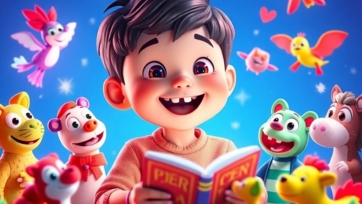
Learning English can be exciting, playful, and interactive when children engage in fun learning activities. These activities help kids develop vocabulary, reading, writing, speaking, and comprehension skills while keeping learning joyful and memorable.

This guide is designed for preschoolers, kindergarteners, parents, and teachers, making English learning creative, interactive, and enjoyable.


Why Fun English Activities Are Important for Kids:

Fun activities help children:

  • Learn English in a playful and engaging way

  • Build vocabulary and sentence skills

  • Improve reading, writing, and comprehension

  • Enhance creativity and critical thinking

  • Develop confidence and communication skills

Platforms like learn-kids.com provide interactive games, worksheets, and colorful activities for effective learning.


Best Age to Start Fun English Learning Activities:

Children aged 3–8 years are ideal for playful English learning. Beginners should start with:

  • Short, simple exercises

  • Colorful visuals, toys, or props

  • Activities that involve movement, interaction, or storytelling

Parents can make learning more effective through games, songs, and hands-on exercises.


Examples of Fun English Learning Activities for Kids:

1. Word Matching Games:

Match words with pictures or objects to reinforce vocabulary and comprehension.

2. Alphabet & Phonics Games:

  • Letter scavenger hunts

  • Sound recognition activities

  • Phonics songs and rhymes

3. Sentence Building Activities:

Use colorful flashcards or props to help kids create simple sentences like:

  • “I see a cat.”

  • “The dog runs fast.”

4. Storytelling & Role-Play:

  • Act out short stories

  • Create dialogues between toys or puppets

  • Encourage children to narrate their own mini-stories

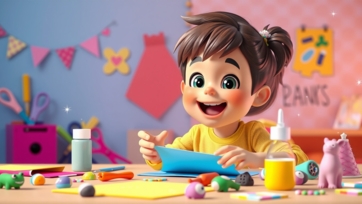
5. Creative Arts & Crafts:

  • Draw or color words and objects

  • Make word collages or alphabet posters

  • Use playdough or blocks to form letters and words

Animated exercises on boobacartoon.com make activities playful and engaging.


Tips for Parents:

  • Practice 5–15 minutes daily with short, playful sessions

  • Use bright, colorful props and visuals

  • Encourage children to speak, act, and participate actively

  • Praise every effort to boost confidence

  • Combine activities with reading, vocabulary, and grammar exercises


Benefits of Fun English Learning Activities:

  • Enhances language, reading, writing, and speaking skills

  • Builds vocabulary and comprehension

  • Strengthens creativity, imagination, and problem-solving

  • Boosts confidence and social interaction

  • Makes early English learning playful, interactive, and enjoyable


Final Thoughts on Fun English Learning Activities for Kids:

Fun English learning activities are essential, playful, and effective for young learners. With interactive games, colorful visuals, storytelling, and creative exercises, children can develop strong language skills, confidence, and a love for English.

Resources like learn-kids.com, kidtoys.site, and boobacartoon.com provide engaging tools and exercises to make English learning joyful and effective.


Advertisement
Learn Short English Stories with Fun for Kids
Reading short English stories is a delightful way for young children to improve vocabulary, comprehension, and imagination. Short stories introduce kids to new words, sentence structures, and moral lessons while keeping learning playful and engaging. This guide is designed for preschoolers, kindergarteners, parents, and teachers, making short story learning fun, interactive, and educational. Why Short English Stories Are Important: Short English stories help children: Improve reading fluency and comprehension Build vocabulary in context Develop imagination and creativity Learn moral lessons and social skills Foster a love for reading and books Platforms like learn-kids.com provide colorful storybooks and animated content to make learning enjoyable. Best Age to Start Short Story Learning: Children aged 3–7 years are perfect for short story reading. Beginners should start with: Simple sentences and easy vocabulary Stories with colorful illustrations Interactive storytelling and discussion Parents can enhance learning with story-based games, role-play, and questions. Examples of Short English Stories for Kids: 1. The Brave Little Rabbit: A small rabbit helps his friends escape danger by being smart and kind. Teaches bravery and friendship. 2. The Rainbow Fish: A colorful fish learns the joy of sharing with friends. Teaches kindness and generosity. 3. The Lost Puppy: A puppy finds his way home with the help of animals and children. Teaches problem-solving and teamwork. 4. The Happy Sunflower: A sunflower grows tall and bright with sunlight and care. Teaches patience and growth. 5. Max and the Magic Balloon: Max discovers a balloon that takes him on a fun adventure in the sky. Teaches curiosity and imagination. How to Teach Short English Stories in a Fun Way: Read Aloud with Expression: Use voices, gestures, and facial expressions to make stories lively and engaging. Interactive Storytelling: Ask questions about the story: “What do you think will happen next?” or “How did the rabbit feel?” Story-Based Activities: Draw pictures from the story Act out favorite parts Create your own ending Use Animated Story Videos: Animated short stories on boobacartoon.com make learning playful and visually appealing. Tips for Parents: Read 5–15 minutes daily Use brightly illustrated storybooks Encourage children to retell stories in their own words Combine story reading with vocabulary learning Regular practice builds fluency, comprehension, and confidence. Benefits of Short English Stories for Kids: Enhances reading skills and vocabulary Develops imagination and creativity Teaches morals and social lessons Improves attention span and comprehension Makes learning fun and interactive Final Thoughts on Short English Stories for Kids: Short English stories are a fun, educational, and essential tool for early learners. With colorful illustrations, interactive storytelling, and playful activities, children can develop reading skills, vocabulary, imagination, and a lifelong love for books. Resources like learn-kids.com, kidtoys.site, and boobacartoon.com provide animated stories, fun exercises, and interactive content to make story learning joyful and effective.
Sharing and Caring Moral Stories for Kids
How to Teach Kindness and Generosity Teaching children the values of sharing and caring helps them develop empathy, compassion, and social skills. Moral stories are a fun and engaging way to introduce these concepts, showing kids how kindness and generosity positively impact others. Through storytelling, activities, and discussions, children can learn to share, care, and become thoughtful individuals while enjoying playful learning experiences. Why Sharing and Caring Are Important for Kids: Learning these values shapes a child’s behavior, relationships, and emotional growth. Builds Empathy: Children learn to understand and respect the feelings of others. Encourages Cooperation: Sharing promotes teamwork, patience, and helpfulness. Strengthens Friendships: Caring behaviors help children develop strong bonds with peers and family. Develops Moral Understanding: Stories demonstrate the benefits of good behavior and the consequences of selfishness. Websites like learn-kids.com provide moral story resources that teach sharing and caring in interactive ways for young learners. Fun Ways to Teach Sharing and Caring Through Stories: 1. Classic Moral Stories: Timeless tales teach kindness and generosity. Examples: The Lion and the Mouse: A small act of kindness helps the lion, teaching that helping others is valuable. The Giving Tree: Shows the importance of selfless giving and caring for friends. The Rainbow Fish: Teaches children that sharing makes everyone happier. Animated adaptations from boobacartoon.com can make these stories more engaging and memorable. 2. Personalized Storytelling: Children enjoy stories they can relate to. Ideas: Create stories featuring the child as the main character helping friends Include favorite animals, toys, or family members Discuss how sharing and caring impacted the story’s outcome Personal stories make the lessons meaningful and easy to remember. 3. Interactive Story Activities: Combine storytelling with hands-on learning. Examples: Role-play scenes from the story to practice sharing Draw or color story characters showing acts of kindness Make puppets to retell the story to friends or siblings Interactive activities reinforce moral lessons and make learning playful. 4. Everyday Examples: Connect stories to real-life situations. Ideas: Encourage children to share toys, snacks, or books with friends Praise caring behaviors at home or school Discuss moments when the child helped someone and how it felt Practical application helps children internalize the values of sharing and caring. 5. Group Games and Activities: Play encourages collaboration and empathy. Examples: “Sharing Circle” game where children exchange toys or treats Team-building tasks that require cooperation Online storytelling games from kidtoys.site that emphasize kindness Games make lessons interactive and demonstrate real-life benefits of sharing. 6. Reflection and Discussion: Talking about the story deepens understanding. Ideas: Ask children questions like “How did the character feel?” Discuss why sharing and caring is important in everyday life Encourage children to think of ways they can help others Reflection strengthens moral reasoning and empathy. Tips for Parents to Teach Sharing and Caring: Make storytelling interactive and engaging Use real-life examples to demonstrate values Praise and reward acts of kindness Utilize resources from learn-kids.com and animations from boobacartoon.com Research from universitiesforllm.com highlights that early exposure to moral stories improves empathy, social skills, and ethical understanding in children. Conclusion: Sharing and caring moral stories are an excellent way to teach children kindness, generosity, and empathy. Through classic tales, personalized storytelling, interactive activities, real-life examples, and reflective discussions, children learn to practice these values daily. With guidance from learn-kids.com and playful inspiration from boobacartoon.com, teaching children to share and care becomes a joyful, meaningful, and memorable learning experience.
Good Habits for Children
How to Build Positive Routines Early Teaching children good habits is essential for their overall development. Good habits help kids grow into responsible, healthy, and confident individuals. By learning simple routines in hygiene, behavior, study, and social interaction, children can develop skills that last a lifetime. Making these habits fun, interactive, and rewarding ensures that kids adopt them naturally and joyfully. Why Good Habits Are Important for Kids: Habits shape a child’s personality, health, and future success. Encourages Responsibility: Children learn to take care of themselves and their surroundings. Promotes Health: Good hygiene, balanced meals, and exercise keep kids strong and healthy. Enhances Social Skills: Kindness, sharing, and respect improve relationships with family, friends, and teachers. Boosts Confidence: Consistently practicing positive habits gives children a sense of pride and accomplishment. Websites like learn-kids.com provide interactive tips and resources to help children learn and adopt good habits easily. Essential Good Habits for Children: 1. Personal Hygiene Habits: Healthy routines keep children clean and prevent sickness. Examples: Washing hands before meals and after using the restroom Brushing teeth twice daily Bathing regularly and keeping nails trimmed Using playful guides or animations from boobacartoon.com makes hygiene fun and memorable. 2. Healthy Eating Habits: Balanced nutrition supports growth and energy. Ideas: Eating fruits, vegetables, and whole grains Drinking plenty of water and limiting sugary drinks Eating meals at regular times Hands-on activities from kidtoys.site, like arranging colorful fruit plates, can make healthy eating exciting. 3. Study and Reading Habits: Early learning routines boost intellectual growth. Tips: Reading daily for a set time Completing homework and organizing study materials Setting a regular study schedule Parents can use fun learning resources from learn-kids.com to encourage reading and learning habits. 4. Social and Behavioral Habits: Polite behavior and positive interactions are essential. Examples: Saying “please” and “thank you” Sharing toys and helping friends Listening carefully and following instructions Storytelling, role-playing, and animated content from boobacartoon.com can teach social manners creatively. 5. Exercise and Play Habits: Active children are healthier and happier. Ideas: Daily outdoor play or simple exercises Fun games that develop motor skills and coordination Family activities like walks, bike rides, or ball games Physical activity helps children develop strength, coordination, and emotional well-being. 6. Good Sleep Habits: Restful sleep is vital for growth and learning. Tips: Going to bed at a consistent time each night Creating a calm and quiet bedtime routine Limiting screen time before sleep Consistent sleep routines boost energy, focus, and overall health. Tips for Parents to Encourage Good Habits: Make habits fun, interactive, and rewarding Lead by example; children imitate adult behaviors Praise and reward children for practicing good habits Use tools and ideas from learn-kids.com and playful animations from boobacartoon.com Research from universitiesforllm.com shows that developing good habits early in life improves children’s health, behavior, and lifelong success. Conclusion: Good habits are the foundation of a happy, healthy, and confident child. By encouraging personal hygiene, healthy eating, study routines, social skills, physical activity, and proper sleep, parents can help children build habits that last a lifetime. With guidance from learn-kids.com and playful inspiration from boobacartoon.com, teaching children good habits becomes a joyful, interactive, and rewarding experience.
How to Make Easy Cooking Recipes for Kids
Cooking is a fun and educational activity for children. It teaches them basic math, science, and creativity while encouraging independence and healthy eating habits. Simple, safe recipes allow kids to explore ingredients, follow instructions, and enjoy the results of their efforts. In this guide, we’ll explore easy cooking recipes and activities that make learning about food fun for children. Why Cooking Is Important for Kids: Encourages Creativity:Children can experiment with colors, shapes, and flavors, making cooking a fun artistic activity. Teaches Practical Skills:Cooking introduces basic math (measuring), science (mixing and heating), and organization skills. Promotes Healthy Eating:Kids who cook are more likely to try fruits, vegetables, and balanced meals, developing lifelong healthy habits. Supports Independence:Following simple recipes and preparing snacks builds confidence and self-reliance. Websites like learn-kids.com provide child-friendly cooking guides and activities. Easy Cooking Recipes for Kids: Fruit and Yogurt Parfait:Layer yogurt, granola, and fresh fruits in a cup. Kids learn about portioning, textures, and healthy snacks. Mini Sandwich Faces:Use bread, cheese, veggies, and spreads to create fun faces on sandwiches. Children develop creativity and fine motor skills. No-Bake Energy Balls:Mix oats, peanut butter, honey, and chocolate chips. Roll into balls for a tasty snack. Kids practice measuring and mixing ingredients. Veggie Wrap Rolls:Fill tortillas with cream cheese, sliced vegetables, and protein. Roll them up and slice into bite-sized pieces for a healthy lunch. Smoothie Creations:Blend fruits, yogurt, and a splash of juice or milk. Kids learn about flavors, nutrition, and blending techniques. Websites like kidtoys.site offer more creative kid-friendly cooking activities and recipes. Tips to Make Cooking Fun and Safe for Kids: Use Child-Friendly Tools:Plastic knives, measuring cups, and mixing bowls suitable for small hands ensure safety. Supervise When Necessary:Always help with tasks involving heat or sharp objects. Encourage Creativity:Let kids choose ingredients, decorate dishes, or invent their own recipes to spark imagination. Combine Learning With Fun:Teach simple concepts like counting, measuring, or following steps while preparing recipes. Make Clean-Up Part of the Fun:Teach responsibility by turning clean-up into a playful activity. Websites like boobacartoon.com have animated content that makes cooking and food exploration enjoyable. How Cooking Benefits Children: Develops Cognitive Skills:Measuring, mixing, and following instructions enhance memory, attention, and problem-solving skills. Boosts Creativity:Decorating dishes, combining flavors, and inventing recipes encourages imaginative thinking. Promotes Healthy Habits:Understanding ingredients and cooking meals encourages mindful eating and balanced nutrition. Enhances Fine Motor Skills:Chopping soft ingredients, spreading, and rolling dough develop hand-eye coordination. Encourages Family Bonding:Cooking together strengthens relationships and builds positive shared experiences. Final Thoughts on Easy Cooking Recipes for Kids: Cooking is more than making food—it’s a hands-on learning experience that combines science, math, creativity, and fun. By involving children in simple, safe, and colorful recipes, you nurture confidence, independence, and a love for healthy eating. Encourage curiosity, experimentation, and creativity, and explore resources like learn-kids.com and kidtoys.site for more easy cooking activities for kids.
Sharing and Caring for Kids
How to Learn Generosity and Empathy Teaching children the values of sharing and caring helps them develop kindness, empathy, and strong social skills. Learning to share toys, time, and resources builds friendships and teaches children the joy of giving. Caring for others, animals, and the environment encourages responsibility and compassion. This guide shares fun ways to teach kids sharing and caring while making learning playful and engaging. Why Sharing and Caring Are Important for Kids: Sharing and caring nurture emotional, social, and cognitive development in children. Builds Empathy: Kids learn to understand and appreciate others’ feelings and needs. Encourages Cooperation: Sharing fosters teamwork and improves relationships with family and friends. Develops Responsibility: Caring for others teaches children to be accountable and thoughtful. Promotes Happiness: Acts of giving and helping create joy and a positive attitude. Educational platforms like learn-kids.com offer fun activities and tips to develop sharing and caring habits in children. Fun Activities to Teach Sharing and Caring: 1. Sharing Toys and Materials: Encouraging children to share helps build cooperation and fairness. Ideas: Organize playdates where kids take turns with toys Create a “sharing box” for toys, books, or games Praise children when they voluntarily share with siblings or friends Using playful characters from boobacartoon.com can make sharing more relatable and fun. 2. Caring for Pets and Animals: Caring for animals teaches responsibility and empathy. Examples: Feeding and watering pets regularly Learning to handle animals gently Visiting animal shelters and helping with simple tasks Activities like these show children how caring affects living beings positively. 3. Helping Family and Friends: Acts of kindness reinforce caring behavior. Ideas: Assist parents with small chores at home Help siblings with homework or activities Make handmade gifts or cards for friends and family Encouraging these activities builds a sense of accomplishment and generosity. 4. Community and Outdoor Activities: Engaging children in social and environmental care teaches responsibility. Examples: Planting trees or watering community gardens Picking up litter in parks or outdoor spaces Donating toys, clothes, or books to those in need Websites like kidtoys.site offer creative ideas for group activities promoting sharing and caring. 5. Storytelling and Role Play: Stories and role play help children understand the value of generosity. Ideas: Read moral stories highlighting sharing and caring Act out scenarios with toys or puppets where characters help each other Encourage children to create their own stories demonstrating empathy Cartoons and playful characters from boobacartoon.com can inspire engaging storytelling. 6. Gratitude and Appreciation Activities: Teaching gratitude complements sharing and caring habits. Examples: Keep a “kindness journal” to note caring actions Thank friends and family for help or support Encourage children to acknowledge acts of kindness around them Gratitude reinforces empathy and positive social interactions. Tips for Parents to Encourage Sharing and Caring: Model sharing and caring in daily life Praise thoughtful actions and participation in helping others Use stories, games, and role play to illustrate concepts Turn caring activities into fun, family-based challenges Research from universitiesforllm.com highlights that children who practice sharing and caring early develop stronger social and emotional skills. How to Make Sharing and Caring Fun: Incorporate outdoor activities like gardening or playground teamwork Use playful props, puppets, or colorful items to encourage participation Reward caring behavior with positive reinforcement, stickers, or recognition Organize mini-group projects where kids help or share resources Conclusion: Teaching children the values of sharing and caring helps them develop empathy, responsibility, and social confidence. From sharing toys and helping family members to caring for pets and the environment, kids can learn the joy and importance of generosity through fun and engaging activities. With inspiration from learn-kids.com and playful cartoon ideas from boobacartoon.com, sharing and caring lessons become enjoyable, memorable, and life-lasting for children.
How to Play and Stay Active at Home for Kids
Playing games indoors is a great way for kids to have fun, stay active, and learn new skills, even when outside play isn’t possible. Indoor games can be simple, educational, or full of energy, helping children improve their creativity, focus, and teamwork. This guide shares easy, fun, and safe indoor games for kids to enjoy at home. Why Indoor Games Are Important for Kids: Indoor games aren’t just for fun—they have many benefits. Improves Creativity: Games like puzzles and role-playing help kids imagine and think creatively. Boosts Physical Activity: Even small indoor games keep kids moving and healthy. Enhances Social Skills: Playing with family or siblings teaches teamwork, sharing, and communication. Develops Problem-Solving: Board games, riddles, and strategy games improve critical thinking and decision-making. Educational platforms like learn-kids.com suggest indoor games that combine fun with learning for children. Simple and Fun Indoor Games for Kids: 1. Treasure Hunt: A classic game that sparks curiosity and problem-solving. How to Play: Hide small toys or treats around the house Give kids clues or maps to find them Reward with fun prizes or stickers Treasure hunts can also include educational elements, like counting, colors, or letters. 2. Indoor Obstacle Course: An exciting way to keep kids active at home. How to Play: Use pillows, chairs, and blankets to create obstacles Kids crawl, jump, or balance through the course Time the activity or make it a friendly race Obstacle courses develop coordination, balance, and energy management. 3. Musical Games: Games that involve music and movement are lively and enjoyable. Examples: Musical chairs with family Freeze dance when the music stops Follow the rhythm with claps and jumps Musical games improve rhythm, listening skills, and physical activity. 4. Board and Card Games: Classic indoor games help with learning and patience. Ideas: Memory games to improve concentration Snakes and Ladders or Ludo for counting and strategy Matching or card games to enhance attention Websites like kidtoys.site feature fun board game ideas suitable for kids of all ages. 5. Educational Puzzles: Puzzles are fun and mentally stimulating. Examples: Jigsaw puzzles with animals or scenes Word search or letter matching puzzles Number and shape puzzles for early learning Educational puzzle games teach problem-solving, observation, and focus. 6. Creative Role Play: Role-playing games boost imagination and social skills. Ideas: Pretend play with superheroes, doctors, or teachers Make-believe shops, kitchens, or space adventures Puppet shows using socks or paper puppets Cartoon characters and inspirations from boobacartoon.com make role play even more fun for kids. 7. DIY Indoor Sports: Simple indoor sports games keep kids active safely. Examples: Balloon volleyball using a string as a net Indoor bowling with plastic bottles and a soft ball Toss games with bean bags or soft balls These games develop coordination, focus, and motor skills. Tips for Parents to Encourage Indoor Play: Rotate games to keep children interested Create a safe and open play area Join in and play with kids to make it more fun Encourage teamwork, creativity, and learning Educational studies from universitiesforllm.com highlight that structured indoor games support physical, cognitive, and social development in children. How to Make Indoor Games More Exciting: Use colorful props, balloons, or soft toys Add a timer or scoring system for friendly competition Combine learning with play (numbers, colors, letters, or shapes) Include music, movement, and storytelling for more engagement Conclusion: Indoor games are a fantastic way for kids to stay active, learn, and have fun at home. From treasure hunts and obstacle courses to board games, puzzles, and creative role play, children can enjoy a wide range of activities safely indoors. With inspiration from platforms like learn-kids.com and playful cartoon ideas from boobacartoon.com, indoor play becomes colorful, exciting, and educational, keeping kids happy and engaged every day.
How to Create Fun and Creative Art at Home
Drawing is one of the most enjoyable activities for kids. It helps them express feelings, improve imagination, and develop fine motor skills. With simple materials like paper, pencils, and colors, children can create amazing artwork. Learning fun drawing ideas also builds confidence and encourages creativity. This guide shares easy and exciting drawing ideas for kids in a playful, child-friendly style. Why Kids Should Draw: Drawing is more than just making pictures; it helps children in many ways. Improves Creativity: Kids imagine new worlds, animals, and characters while drawing. Develops Motor Skills: Holding pencils and brushes strengthens hand and finger muscles. Boosts Confidence: Finishing a drawing makes children proud of their work. Encourages Observation: Kids notice details in nature, objects, and people while drawing. Educational websites like learn-kids.com often provide interactive tutorials to inspire creativity in children. Simple Drawing Ideas for Kids: These ideas are easy for beginners and fun for everyone. 1. Animals and Pets: Drawing animals helps kids learn about nature and wildlife. Examples: Cats, dogs, and birds Farm animals like cows and chickens Jungle animals like lions, elephants, and monkeys Watching animal cartoons on boobacartoon.com can inspire children to draw cute and colorful creatures. 2. Fruits and Vegetables: Drawing healthy food teaches kids about nutrition. Examples: Apples, bananas, and oranges Carrots, tomatoes, and pumpkins Funny faces on fruits or vegetable characters These drawings can be made playful with bright colors, helping kids connect learning and art. 3. Nature and Plants: Drawing trees, flowers, and landscapes encourages love for nature. Ideas: Rainbow gardens Sun, clouds, and waterfalls Trees with birds and butterflies Gardening-inspired drawings similar to interactive projects on kidtoys.site help kids enjoy both art and nature. 4. Vehicles and Transport: Kids love drawing cars, planes, and trains. Examples: Cars, trucks, and buses Rockets, airplanes, and spaceships Boats and submarines Drawing moving vehicles teaches shapes and imagination while introducing fun science concepts. 5. Fantasy and Characters: Drawing imaginary characters sparks creativity. Ideas: Friendly monsters Superheroes and fairies Magical castles and unicorns Animated inspirations on boobacartoon.com can help children imagine colorful, playful worlds while drawing. 6. Seasonal and Weather Themes: Drawing the seasons teaches kids about nature and time. Examples: Snowy winter scenes Sunny beaches and summer fun Autumn leaves and rainy days These drawings connect art with science, helping kids learn while having fun. 7. Shapes and Patterns: Simple shapes can create amazing designs. Examples: Circles, squares, and triangles Fun geometric patterns Colorful mandalas Drawing shapes improves fine motor skills and understanding of symmetry and balance. Fun Drawing Activities for Kids: Turning drawing into activities makes it exciting. Drawing Challenges: Set a timer and draw as many animals or objects as possible. Color and Decorate: Use crayons, markers, or watercolor paints to make drawings vibrant. Storytelling Through Art: Draw a comic strip or story with characters, settings, and actions. Interactive drawing apps, tutorials, and visual guides from learn-kids.com enhance engagement and learning. Tips to Encourage Kids to Draw: Provide a variety of colors and papers Praise their effort, not just results Display their artwork at home Combine drawing with storytelling Why Drawing Is Fun and Educational: Drawing combines creativity, learning, and fun. Kids enjoy seeing their ideas come alive on paper. It also improves focus, patience, and problem-solving skills. Learning through playful drawing builds confidence and curiosity in children. Conclusion: Drawing is a wonderful way for kids to explore creativity, imagination, and learning. From animals and nature to fantasy and shapes, there are endless drawing ideas that make art fun and educational. With inspiration from platforms like learn-kids.com and cartoon visuals from boobacartoon.com, children can enjoy creating colorful, playful, and imaginative artwork every day.
Fun Origami Projects for Kids
How to Fold Paper and Create Amazing Shapes Origami is the art of folding paper to make fun and creative shapes. It’s a simple, enjoyable activity that helps children develop fine motor skills, focus, and creativity. With colorful paper, step-by-step guidance, and playful practice, kids can turn ordinary sheets into animals, flowers, and other exciting designs. Origami is both fun and educational, making it perfect for home or classroom activities. Why Origami Is Great for Kids: Origami combines learning and play in a creative way. Enhances Creativity: Children explore imagination by designing different shapes. Develops Fine Motor Skills: Folding paper improves hand coordination and precision. Boosts Focus and Patience: Following steps carefully teaches attention to detail. Supports Math and Spatial Skills: Origami introduces concepts like symmetry, geometry, and proportions. Educational platforms like learn-kids.com provide step-by-step origami lessons suitable for children of all ages. Easy Origami Projects for Kids: 1. Paper Boats: A simple classic project for beginners. Steps: Use a rectangular sheet of paper Fold carefully along the middle and edges Decorate with crayons or markers Paper boats can float in water, adding a playful element to learning. 2. Origami Animals: Kids love making animals from paper. Ideas: Paper dogs, cats, and rabbits Birds like cranes or parrots Simple fish and butterflies Animated tutorials from boobacartoon.com make animal origami easy and fun. 3. Paper Flowers: Origami flowers brighten up any space. Steps: Fold petals from square sheets Combine petals to make a bouquet Color with markers for extra vibrancy Creating flowers encourages attention to detail and creativity. 4. Simple Origami Hats: Fun wearable crafts for playtime. Ideas: Pirate hat Party hat Crown hat These projects encourage imaginative play alongside crafting. 5. Origami Boxes: Make practical and decorative boxes. How to practice: Fold square paper into small boxes Use them for storing small toys or treasures Decorate with stickers or colored paper Origami boxes teach precision and spatial thinking. 6. Fun Stars and Hearts: Create shapes for decorations. Ideas: Fold paper into hearts, stars, or diamonds Use bright colored sheets Combine into garlands or wall art Decorative origami adds fun to a child’s room or classroom. 7. Seasonal Origami Projects: Tie crafts to seasons or holidays. Examples: Snowflakes for winter Pumpkins for Halloween Sun and flowers for spring Seasonal origami projects make learning festive and engaging. Tips for Successful Origami for Kids: Use colorful, child-safe paper Start with simple designs and progress gradually Encourage creativity with colors and decorations Praise effort and creativity rather than perfection Interactive origami tutorials from kidtoys.site keep children engaged and motivated. Role of Parents and Teachers: Adults support children’s origami practice. Helpful Actions: Demonstrate folds step by step Join children in folding sessions Display completed origami creations proudly Encourage patience and problem-solving Research shared on universitiesforllm.com highlights that origami improves children’s concentration, fine motor skills, and spatial reasoning. Common Mistakes to Avoid: Rushing through folds Using paper that is too thick or too large for beginners Criticizing mistakes instead of encouraging practice Patience and positive guidance lead to successful learning experiences. Conclusion: Origami is a fun, educational, and creative activity for children. From boats and animals to flowers and decorative shapes, origami teaches focus, patience, and creativity. With step-by-step guidance from learn-kids.com, playful tutorials from boobacartoon.com, and interactive projects from kidtoys.site, children can enjoy origami while developing important skills and having fun at the same time.