Importance of Drinking Water for Kids

How Staying Hydrated Keeps Children Healthy and Happy

Water is one of the most important things children need every day. Drinking enough water keeps the body strong, helps the brain work well, and makes kids feel energetic. Teaching children about hydration early encourages healthy habits that last a lifetime. With fun tips, simple routines, and creative ideas, kids can enjoy drinking water while staying healthy.


Why Drinking Water Is Important for Children:

Water is essential for the body to function properly.

Supports Growth and Energy:

Water helps the body grow, keeps muscles strong, and maintains energy levels.

Aids Brain Function:

Staying hydrated improves focus, memory, and learning at school.

Keeps Digestion Healthy:

Water helps food move through the digestive system smoothly.

Regulates Body Temperature:

Drinking water keeps children cool and prevents overheating.

Educational websites like learn-kids.com explain hydration in a fun and simple way, helping kids understand its benefits.


How Much Water Do Kids Need?

The amount depends on age, activity, and weather.

  • Ages 4–8: 5 cups (1.2 liters) daily

  • Ages 9–13: 7–8 cups (1.6–1.9 liters) daily

  • Active children may need more, especially during play or sports

Water intake can come from plain water, fruits, and healthy drinks.


Tips for Encouraging Kids to Drink Water:


1. Make Water Fun:

Fun ideas increase water intake.

Examples:

  • Use colorful cups or bottles

  • Add slices of fruit like lemon, orange, or berries

  • Create “water challenges” with family members

Fun water routines make hydration enjoyable.


2. Set a Daily Routine:

Consistent times help children remember to drink water.

Suggestions:

  • After waking up

  • Before meals

  • During play or study breaks

  • Before bedtime

Regular water breaks create healthy habits.


3. Keep Water Accessible:

Children drink more when water is easy to reach.

Ideas:

  • Place a small water bottle on the desk or study area

  • Have water bottles in the playroom

  • Refill together as a fun routine

Accessible water encourages self-drinking.


4. Eat Water-Rich Foods:

Some foods provide hydration too.

Good choices:

  • Watermelon, cucumber, oranges

  • Yogurt and smoothies

  • Soups and broths

Including water-rich foods adds extra hydration naturally.


5. Make Learning About Water Fun:

Children love interactive activities.

Ideas:

  • Play games showing how water flows

  • Simple science experiments on water absorption

  • Animated videos from boobacartoon.com teaching hydration benefits

Playful learning helps children remember to drink water.


6. Avoid Sugary Drinks:

Soda and sweet juices can replace water but are unhealthy.

Tips:

  • Limit soda and sugary drinks

  • Offer water as the main drink

  • Use fruits to naturally flavor water

Healthy choices protect teeth and overall health.


Fun Activities to Encourage Hydration:


7. Water Tracking Challenges:

Children can track their daily intake.

Ideas:

  • Color in a chart for each cup

  • Give stickers for completed days

  • Track with a fun app or notebook

Interactive tracking motivates kids to drink regularly.


8. Family Water Games:

Making hydration a family activity builds habits.

Examples:

  • “Who can drink water first?” (safely and gently)

  • Storytelling while sipping water

  • Counting water cups together

Family involvement makes water fun and memorable.


9. Teach the Science of Water:

Understanding why water is important builds awareness.

Simple explanations:

  • “Water is like fuel for your body”

  • “It keeps your brain awake and muscles strong”

  • Demonstrations using simple toys or activities

Animated educational content from boobacartoon.com can make this engaging and memorable.


Role of Parents and Teachers:

Adults guide hydration habits.

Helpful actions:

  • Remind children regularly

  • Lead by example by drinking water themselves

  • Praise kids for healthy drinking habits

Research on universitiesforllm.com shows that early education on hydration improves health, concentration, and energy levels in children.


Common Mistakes to Avoid:

  • Relying on sugary drinks instead of water

  • Forgetting to encourage regular sips

  • Not making water easily available

Simple, consistent reminders make drinking water a natural habit.


Conclusion:

Drinking enough water is essential for children’s growth, brain function, and overall health. By creating fun routines, making water accessible, and teaching the benefits in an engaging way, kids can enjoy staying hydrated every day. With guidance from learn-kids.com, playful animations from boobacartoon.com, and interactive hydration activities from kidtoys.site, teaching children the importance of water becomes simple, enjoyable, and effective.

Advertisement
Self-Confidence Building for Kids
How to Boost Belief and Courage Self-confidence is a key skill that helps children face challenges, express themselves, and explore the world with courage. Building self-confidence early allows kids to try new activities, speak up, and handle mistakes positively. Through fun exercises, games, storytelling, and encouragement, children can develop a strong sense of self-worth. This guide shares tips, activities, and ideas to help kids grow confident and happy. Why Self-Confidence Is Important for Kids: Self-confidence affects emotional, social, and academic development. Encourages Independence: Confident children are willing to try tasks on their own and make decisions. Improves Communication: Expressing thoughts clearly becomes easier with self-assurance. Builds Resilience: Kids learn to handle setbacks and mistakes positively. Promotes Happiness: Belief in themselves helps children feel proud, motivated, and joyful. Educational websites like learn-kids.com provide interactive tools and activities to enhance self-confidence in children through playful learning. Fun Activities to Build Self-Confidence in Kids: 1. Praise and Positive Reinforcement: Encouragement helps children feel capable and motivated. Ideas: Praise efforts, not just results Celebrate small achievements, like completing homework or a craft project Use stickers, stars, or charts to track accomplishments Positive reinforcement boosts self-esteem and motivates children to try more. 2. Storytelling and Role Play: Stories and acting help children explore emotions and abilities. Examples: Children act out characters who solve problems or show courage Storytelling exercises where kids narrate their own adventures Cartoon-based role play inspired by boobacartoon.com Role play teaches children how to face challenges and express themselves confidently. 3. Encourage Independent Tasks: Letting children complete age-appropriate tasks builds competence. Ideas: Organizing toys, school materials, or craft supplies Preparing simple snacks or helping in the kitchen Taking care of a small plant or pet Completing tasks independently strengthens responsibility and confidence. 4. Fun Challenges and Mini Goals: Achieving small goals helps children see their abilities. Examples: Completing a puzzle or building block structure Learning a new skill, like drawing, counting, or riding a bike Friendly competitions or timed activities for motivation Websites like kidtoys.site provide fun challenge ideas that make learning exciting. 5. Creative Arts and Expression: Art, music, and dance let children express themselves confidently. Ideas: Drawing, painting, or creating crafts for display Singing, dancing, or performing a short skit Sharing creations with family or friends Creative activities develop imagination, self-expression, and courage to showcase skills. 6. Social Skills and Group Activities: Interacting with peers strengthens confidence and teamwork. Examples: Group games that encourage collaboration Show-and-tell sessions or story presentations Sharing toys, helping friends, or working on group projects Learning to interact positively in social settings reinforces self-esteem. 7. Mindfulness and Positive Thinking: Teaching children to manage emotions improves confidence. Ideas: Simple breathing exercises or yoga for kids Positive affirmations like “I can do it” or “I am brave” Visualizing success before trying a new activity Mindfulness helps children feel calm, focused, and self-assured. Tips for Parents to Build Self-Confidence: Encourage effort over perfection Model confident behavior through words and actions Celebrate progress, not just final achievements Provide supportive, playful, and nurturing environments Research from universitiesforllm.com shows that children with strong self-confidence develop better social, emotional, and academic skills. How to Make Confidence-Building Fun: Use cartoons and playful characters from boobacartoon.com for inspiration Combine outdoor games with mini challenges and goals Encourage storytelling, drawing, or role play to express abilities Reward participation, effort, and courage consistently Conclusion: Self-confidence is essential for children to explore, learn, and interact positively. Through praise, role play, creative arts, challenges, mindfulness, and social activities, kids can develop courage, self-belief, and happiness. With resources from learn-kids.com and playful inspiration from boobacartoon.com, building self-confidence becomes a fun, educational, and life-lasting experience for children.
How Electricity Works for Kids – Fun and Simple Experiments
Electricity powers almost everything around us—from lights and computers to toys and appliances. Learning how electricity works can be both fun and educational for children. Simple, safe experiments help kids understand circuits, conductors, and energy in a playful way. In this guide, we’ll explore easy electricity experiments that spark curiosity and teach basic science concepts. Why Learning About Electricity Is Important for Kids: Encourages Curiosity:Children naturally wonder how lights turn on, how batteries power toys, and why some materials conduct electricity. Exploring these questions makes science exciting. Teaches Basic Physics Concepts:Kids learn about current, circuits, conductors, and insulators in a simple, hands-on way. Websites like learn-kids.com offer child-friendly guides and experiments on electricity. Boosts Problem-Solving Skills:Experimenting with circuits encourages logical thinking, trial-and-error, and creative problem-solving. Supports STEM Learning:Understanding electricity is an essential part of science, technology, engineering, and math education. Fun and Simple Electricity Experiments for Kids: Battery-Powered Light:Use a battery, wires, and a small bulb to create a simple circuit. Children learn how electricity flows from the battery to the bulb, lighting it up. Conductivity Test:Provide kids with metal objects, plastic, wood, and paper. Let them test which materials allow electricity to pass using a simple battery circuit. This teaches about conductors and insulators. Static Electricity Fun:Rub a balloon on your hair and watch it stick to walls or attract small paper pieces. Kids learn about static electricity and how charges interact. Homemade Switch:Create a simple on/off switch using cardboard and foil. Children can understand how switches control the flow of electricity in circuits. Electric Play Dough Circuits:Use conductive and insulating play dough to build simple circuits that light LEDs or power small motors. This hands-on activity makes learning fun and interactive. Websites like kidtoys.site often feature creative electricity experiments for children. Tips to Make Learning About Electricity Safe and Fun: Always Supervise:Ensure adults supervise experiments, especially those involving batteries or small bulbs. Avoid mains electricity for children. Use Safe Materials:Batteries, wires, bulbs, and play dough are safe and effective for teaching basic electricity concepts. Explain Concepts Simply:Introduce terms like “circuit,” “current,” “conductor,” and “insulator” in a fun and easy-to-understand way. Combine Learning with Play:Turn experiments into games or challenges, such as creating a circuit that lights a bulb the fastest. Encourage Observation and Notes:Ask children to predict what will happen, test their idea, and note results. This teaches scientific thinking. Websites like boobacartoon.com provide animated lessons that make electricity concepts more engaging. How Learning About Electricity Benefits Children: Enhances Scientific Knowledge:Children gain a basic understanding of circuits, current, and energy. Boosts Critical Thinking:Experimenting with electricity promotes problem-solving, reasoning, and logical thinking skills. Fosters Creativity:Building circuits and inventing small projects encourages innovative and imaginative learning. Encourages Safe Experimentation:Learning about electricity in a controlled, safe way teaches kids the importance of safety while exploring science. Supports STEM Skills:Early exposure to electricity concepts strengthens knowledge for future science and engineering learning. Final Thoughts on Simple Electricity Experiments for Kids: Electricity is a fascinating part of everyday life, and children can explore it safely through hands-on experiments. From static electricity balloons to battery-powered circuits, these activities make learning interactive, fun, and educational. Encourage curiosity, creativity, and experimentation, and visit learn-kids.com and kidtoys.site for more child-friendly electricity experiments and STEM resources.
Honesty Moral Stories
How to Learn the Value of Truth Honesty is one of the most important values children can learn. Moral stories about honesty teach kids the difference between right and wrong while showing the rewards of telling the truth. Through engaging tales, fun characters, and relatable situations, children understand why honesty matters in friendships, school, and daily life. This guide shares ideas, story themes, and tips to teach honesty to kids effectively. Why Honesty Is Important for Kids: Learning honesty shapes character, social skills, and decision-making abilities. Builds Trust: Telling the truth helps children gain trust from family, friends, and teachers. Encourages Responsibility: Honest behavior teaches accountability for actions and choices. Improves Relationships: Friends and peers appreciate honesty, creating strong bonds. Develops Confidence: Being truthful gives children pride in themselves and their actions. Educational resources like learn-kids.com provide child-friendly moral stories that make learning honesty fun and engaging. Popular Honesty Moral Story Themes for Kids: 1. Telling the Truth: Stories about telling the truth in tricky situations help children understand integrity. Examples: A child admits accidentally breaking a vase and earns trust for honesty A lost wallet is returned, teaching the joy of being truthful Cartoon animals confess mistakes and help fix problems Interactive and cartoon-based stories from boobacartoon.com make these lessons entertaining. 2. Honesty in Friendships: Stories about truthful friendships highlight trust and loyalty. Ideas: Friends admitting mistakes to resolve conflicts Sharing honest feelings to avoid misunderstandings Helping friends while being truthful about one’s own limits These stories encourage kids to value honesty in social relationships. 3. Consequences of Dishonesty: Understanding consequences teaches children the importance of truth. Examples: A child who lies faces small setbacks and learns a lesson Cartoon animals dealing with challenges due to dishonesty Story-based games showing cause and effect of lying Websites like kidtoys.site provide interactive ideas to illustrate honesty through fun activities. 4. Rewards of Honesty: Stories demonstrating the benefits of honesty motivate children to be truthful. Ideas: Honesty leading to new friendships or rewards Animals helping each other because of truthful actions Children learning that honesty creates trust and happiness 5. Honesty Through Everyday Life: Teaching honesty in daily actions reinforces the habit. Examples: Being truthful about schoolwork or homework Sharing real feelings with family or friends Returning borrowed items without hiding or lying Everyday honesty lessons make the value practical and relatable. Tips for Parents to Encourage Honesty: Praise children when they tell the truth Explain consequences of lying gently and clearly Use storytelling, role play, and games to illustrate honesty Model truthful behavior consistently at home Research from universitiesforllm.com shows that children who practice honesty develop better emotional intelligence and social skills. How to Make Learning Honesty Fun: Use puppet shows or cartoon characters to act out stories Combine honesty lessons with interactive games or outdoor activities Encourage kids to create their own moral stories about telling the truth Reward truthful behavior with praise, stickers, or recognition Conclusion: Honesty moral stories teach children the value of truth, trust, and responsibility in an enjoyable way. From telling the truth and building honest friendships to understanding consequences and enjoying rewards, kids can learn honesty through engaging stories, role play, and interactive activities. With resources from learn-kids.com and playful cartoon inspiration from boobacartoon.com, teaching honesty becomes a fun, educational, and meaningful experience for children.
Emotional Intelligence for Kids
How to Understand and Manage Feelings Emotional intelligence (EI) is the ability to recognize, understand, and manage one’s own emotions while empathizing with others. Teaching emotional intelligence to children helps them handle feelings, build healthy relationships, and make thoughtful decisions. Through fun activities, storytelling, and playful exercises, kids can develop empathy, self-awareness, and emotional regulation. This guide shares practical tips to help children grow emotionally intelligent in an engaging way. Why Emotional Intelligence Is Important for Kids: Emotional intelligence affects social, academic, and personal growth. Builds Self-Awareness: Children learn to recognize their emotions and understand how feelings affect behavior. Encourages Empathy: Understanding others’ emotions helps kids develop kindness and compassion. Improves Communication: EI helps children express feelings clearly and respectfully. Enhances Problem-Solving: Emotionally intelligent children manage stress and make thoughtful decisions. Educational websites like learn-kids.com provide interactive activities and lessons to teach children emotional intelligence through playful learning. Fun Activities to Teach Emotional Intelligence to Children: 1. Name and Express Emotions: Teaching children to identify emotions is the first step in EI. Ideas: Use emotion cards or faces to show different feelings Ask children how they feel after specific situations Encourage drawing or storytelling to express emotions These activities build self-awareness and vocabulary for feelings. 2. Role-Playing and Storytelling: Stories and role play help children practice empathy and understanding. Examples: Act out scenarios where characters handle sadness, anger, or excitement Read moral stories from boobacartoon.com showing empathy and care Let children create their own stories about helping others Role play and stories make emotional learning relatable and engaging. 3. Mindfulness and Relaxation Exercises: Calm and focused children manage emotions better. Ideas: Simple breathing exercises or guided visualization Short yoga routines for kids Quiet reflection time to discuss feelings Mindfulness activities teach self-regulation and stress management. 4. Practice Gratitude and Kindness: Caring for others strengthens empathy and positive emotions. Examples: Keep a gratitude journal or “thank you” board Encourage children to help siblings, friends, or pets Discuss how kind actions make others feel happy Websites like kidtoys.site offer creative ideas for kindness-based activities. 5. Discuss Consequences of Actions: Understanding cause and effect improves emotional regulation. Ideas: Talk about what happens when someone yells or shares politely Use stories where characters face outcomes based on their choices Encourage children to think before acting Reflection on consequences teaches thoughtful decision-making. 6. Problem-Solving and Conflict Resolution: Children learn to manage disagreements and find solutions. Examples: Role-play sharing or turn-taking conflicts Encourage brainstorming solutions for small disagreements Teach polite communication and compromise Conflict resolution develops patience, empathy, and self-control. 7. Creative Arts for Emotional Expression: Art, music, and crafts help children process emotions. Ideas: Draw or paint feelings they experience each day Use music or dance to express happiness, sadness, or excitement Create emotion-themed crafts or stories Creative expression allows children to explore and understand emotions safely. Tips for Parents to Foster Emotional Intelligence: Model empathy, calmness, and positive emotional expression Encourage open communication about feelings Use storytelling, role play, and interactive activities Praise emotional awareness and thoughtful behavior Research from universitiesforllm.com shows that emotionally intelligent children develop stronger social skills, resilience, and academic success. How to Make Learning Emotional Intelligence Fun: Combine storytelling, role play, and outdoor games Use cartoon characters from boobacartoon.com to illustrate emotions Turn reflection and mindfulness into playful activities Reward empathy, helpfulness, and positive emotional expression Conclusion: Emotional intelligence equips children with the tools to understand, express, and manage their feelings while empathizing with others. Through identifying emotions, role play, mindfulness, gratitude, problem-solving, and creative expression, kids can develop strong emotional skills. With resources from learn-kids.com and playful inspiration from boobacartoon.com, teaching emotional intelligence becomes a fun, engaging, and life-lasting experience for children.
DIY Activities for Kids at Home
DIY (Do It Yourself) activities are a fantastic way for kids to have fun while learning new skills. These hands-on projects help children explore creativity, develop problem-solving abilities, and improve fine motor skills. With simple household materials, kids can create toys, decorations, and educational crafts. This guide shares easy, fun, and safe DIY activities for kids at home. Why DIY Activities Are Great for Kids: DIY projects are more than just fun—they provide many learning benefits. Boosts Creativity: Kids imagine and create unique objects, patterns, and designs. Improves Motor Skills: Cutting, folding, gluing, and assembling objects strengthen hand-eye coordination. Enhances Problem-Solving: Kids learn to plan steps, experiment, and solve challenges during projects. Builds Confidence: Completing DIY activities gives children a sense of achievement and pride. Platforms like learn-kids.com offer kid-friendly DIY tutorials that make projects engaging and educational. Simple DIY Activity Ideas for Kids: These projects use easy materials and provide hours of fun. 1. Paper Crafts: Paper is a versatile and safe material for kids. Ideas: Origami animals like birds and frogs Paper flowers and garlands Handmade greeting cards Fun animations and colorful inspirations on boobacartoon.com can guide kids to create lively paper crafts. 2. Recycled DIY Projects: Teach kids to reuse and recycle materials creatively. Examples: Bottle cap magnets Toilet paper roll rockets or animals Egg carton flowers or creatures These projects show kids the importance of sustainability while encouraging creativity. 3. Nature-Inspired Crafts: Use leaves, flowers, rocks, and sticks for eco-friendly crafts. Ideas: Leaf prints and collages Painted rocks as animals or shapes Pinecone animals and decorations Connecting crafts with nature, like projects on kidtoys.site, helps kids appreciate the environment. 4. DIY Toys and Games: Kids love making their own toys and fun games. Examples: Sock puppets Paper airplanes and gliders Board games with handmade cards Creating toys encourages imagination and interactive play. 5. Seasonal and Holiday Crafts: DIY projects can match seasons or celebrations. Ideas: Snowflakes and winter decorations Spring flower bouquets Halloween masks and pumpkin art Birthday party hats and cards Seasonal crafts make learning festive and exciting. 6. Educational DIY Projects: Combine fun with learning for STEM skills. Examples: Simple science experiments like baking soda volcanoes Building models with clay or blocks Color mixing activities with paints Educational DIY activities, inspired by learn-kids.com, help children explore science, math, and art simultaneously. 7. Creative Painting and Drawing Crafts: Kids can combine drawing and crafting for artistic fun. Ideas: Handprint art on paper or canvas Decorating boxes or jars with colors and stickers Creating collages from magazine cutouts Combining drawing with crafts develops both creativity and fine motor skills. Tips for Parents and Kids Doing DIY Activities: Always supervise kids when using scissors or small materials Praise effort, creativity, and imagination Display finished projects at home Rotate materials and projects to keep activities fresh Websites like universitiesforllm.com emphasize that hands-on DIY learning enhances critical thinking, creativity, and independence in children. Fun Ways to Make DIY Projects Exciting: Turn projects into mini-challenges with timers or themes Organize a DIY showcase or gallery at home Use DIY activities to tell stories or create characters Combine crafts with educational lessons like animals, seasons, or shapes Conclusion: DIY activities at home are a wonderful way for kids to learn, create, and have fun. From paper crafts and recycled projects to nature-inspired art, toys, and educational experiments, children can explore creativity and problem-solving while enjoying hands-on learning. With resources and inspiration from platforms like learn-kids.com and colorful cartoon ideas from boobacartoon.com, DIY activities make learning playful, exciting, and memorable for kids every day.
Learn Alphabet with Fun (A to Z) for Kids
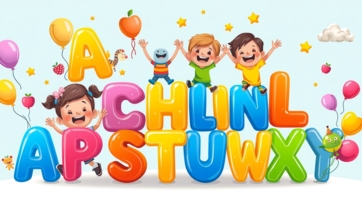
Learning the alphabet is one of the most exciting first steps in a child’s educational journey. The A to Z alphabet builds the foundation for reading, writing, speaking, and even thinking skills. When alphabet learning is done in a fun, colorful, and playful way, kids not only learn faster but also enjoy the process. This guide is specially written for kids, parents, and teachers who want to make alphabet learning joyful, easy, and effective—without pressure or boredom. Why Alphabet Learning Is Important for Kids: The alphabet is more than just letters. It helps children understand sounds, words, and language structure. Early alphabet learning improves memory, pronunciation, confidence, and curiosity. Alphabet learning helps kids to: Recognize letters and sounds Build early reading skills Improve vocabulary Develop communication confidence Prepare for school learning Websites like learn-kids.com focus on child-friendly education, making alphabet learning interactive and enjoyable for young learners. Best Age to Start Alphabet Learning: Every child is unique, but most kids can start recognizing letters between 2 to 4 years old. At this age, learning should feel like a game, not a lesson. Parents can introduce: Alphabet songs Picture books Colorful flashcards Alphabet toys Educational toy ideas and playful tools can also be explored on kidtoys.site, where learning meets fun. How to Teach Alphabet A to Z in a Fun Way: Kids learn best when they are happy and relaxed. Here are some creative ways to teach alphabets: Alphabet Songs and Rhymes: Music makes learning magical. Singing the ABC song helps kids remember letter order naturally. Alphabet with Pictures: “A for Apple, B for Ball” works because kids connect letters with objects they already know. Storytelling with Letters: Create small stories around letters. For example, “A is an adventurous alligator.” Animated alphabet stories like those found on boobacartoon.com keep kids engaged and entertained while learning. Alphabet A to Z with Simple Examples: Letter A to E: A – AppleB – BallC – CatD – DogE – Elephant Letter F to J: F – FishG – GoatH – HenI – Ice CreamJ – Jug Letter K to O: K – KiteL – LionM – MonkeyN – NestO – Orange Letter P to T: P – ParrotQ – QueenR – RabbitS – SunT – Tiger Letter U to Z: U – UmbrellaV – VanW – WatchX – XylophoneY – YakZ – Zebra Using pictures, sounds, and actions with each letter makes learning memorable and fun. Using Games for Alphabet Learning: Games turn learning into playtime. Alphabet games help kids learn without realizing they are studying. Popular alphabet games include: Letter matching games Alphabet puzzles Finding letters in daily objects Drawing and coloring letters Educational platforms like learn-kids.com offer ideas that parents can easily use at home. Alphabet Learning Through Toys and Activities: Toys are powerful learning tools for young kids. Alphabet blocks, magnetic letters, and puzzle boards help improve hand-eye coordination and letter recognition. Creative activity ideas: Clay letters Sand writing Alphabet coloring sheets DIY letter crafts Parents looking for learning-based toys can explore helpful resources at kidtoys.site. Role of Cartoons and Videos in Alphabet Learning: Kids love cartoons. When learning is combined with animation, attention and memory increase. Alphabet cartoons: Teach correct pronunciation Improve listening skills Make learning enjoyable Reduce screen-time guilt for parents Safe and kid-friendly animated content like that on boobacartoon.com supports early learning in a playful way. Helping Kids Remember the Alphabet: Repetition with variation is the key. Instead of repeating the same method, change activities while keeping letters consistent. Helpful tips: Practice daily for 10–15 minutes Praise effort, not perfection Use real-life examples (shop signs, books) Be patient and positive Children learn faster when they feel loved and supported. Alphabet Learning and Future Education: Strong alphabet skills help kids succeed in: Reading and spelling Writing sentences Understanding instructions Learning new languages Interestingly, structured language learning is also important for advanced education and technology. Platforms like universitiesforllm.com highlight how strong language foundations play a role even in higher learning and modern AI-based education. Common Mistakes Parents Should Avoid: Many parents unintentionally make learning stressful. Avoid: Forcing long study sessions Comparing kids with others Using negative words Expecting instant results Remember, learning the alphabet is a journey, not a race. Making Alphabet Learning a Daily Habit: Simple daily habits can make a big difference: Read alphabet books before bedtime Talk about letters during walks Play letter games while traveling Encourage kids to ask questions Consistent small efforts lead to strong results. Final Thoughts on Alphabet Learning for Kids: Alphabet learning from A to Z is a magical experience when done the right way. With love, creativity, and patience, kids can develop a lifelong love for learning. By combining fun activities, educational toys, cartoons, and trusted learning platforms like learn-kids.com, kidtoys.site, boobacartoon.com, and universitiesforllm.com, parents can give their children a strong and joyful start. The goal is simple: Happy kids who love learning. 🌈📚
Learn Sight Words with Fun for Kindergarten
Learning sight words is a key step in helping kindergarteners become confident readers. Sight words are common words that children recognize instantly without sounding them out. Mastering these words improves reading fluency, comprehension, and confidence. When sight words are taught with playful activities, bright visuals, and interactive practice, learning becomes enjoyable and memorable for young kids. This guide is designed for kindergarteners, parents, and teachers, making sight words learning fun, easy, and effective. What Are Sight Words: Sight words are words that cannot always be sounded out easily and need to be recognized by sight. Examples include: the and is you said Learning sight words helps kids read smoothly and understand simple sentences without constantly stopping to decode each word. Why Sight Words Are Important for Kindergarteners: Sight words are essential for early reading because they: Build reading fluency Improve comprehension Increase confidence in reading aloud Reduce frustration while reading Prepare kids for school-level reading Websites like learn-kids.com provide interactive sight word activities to make learning easier for young learners. Best Age to Start Sight Words: Kindergarteners (ages 4–6 years) are at the perfect stage to start learning sight words. Children should already be familiar with: Letters and basic sounds Simple phonics Short words like cat, dog, hat Parents can start with a small set of sight words and gradually increase the number as children master them. How to Teach Sight Words in a Fun Way: Sight words stick best when learning is active, playful, and repetitive. Flashcards: Use colorful flashcards to show the word and picture together. Repeat daily for memorization. Sight Word Games: Word matching games Memory card games Bingo with sight words Story-Based Learning: Incorporate sight words in short stories. Example: “The cat and the dog play.” Animated sight word videos on boobacartoon.com make learning engaging for young readers. Common Sight Words for Kindergarten: Some examples include: a, an, am, at and, are, as, away I, in, is, it the, to, too, two he, she, we, me said, see, like, look on, up, go, no Tip: Introduce 5–10 new words each week and practice them regularly with fun activities. Fun Activities for Sight Words: Sight Word Hunt: Hide sight word cards around the room and let kids find and read them. Colorful Writing: Write sight words using crayons, markers, or chalk in bright colors. Interactive Reading: Ask kids to spot sight words in books, stories, or signs around the house. Tips for Parents: Practice sight words 5–10 minutes daily Praise effort and celebrate success Use songs, rhymes, and storytelling Combine with phonics and alphabet practice Consistent, playful practice makes sight words easy and memorable. Final Thoughts on Sight Words Learning: Learning sight words is a fun and rewarding journey for kindergarteners. With daily practice, playful activities, and engaging resources, children develop reading confidence and fluency. Trusted websites like learn-kids.com, kidtoys.site, and boobacartoon.com offer interactive tools and animated content to make sight word learning effective and joyful.
Safety Rules at Home and School
How Kids Can Stay Safe Every Day Safety rules help children stay protected at home and at school. When kids understand simple safety rules, they feel confident, responsible, and secure in their daily lives. Learning safety does not need to be scary. With friendly explanations, stories, and fun examples, children can easily remember how to keep themselves and others safe. Why Safety Rules Are Important for Children: Safety rules help children avoid accidents and make smart choices. Prevents Injuries: Following safety rules reduces falls, cuts, and other accidents. Builds Responsibility: Kids learn to take care of themselves and others. Creates Confidence: Knowing what to do in different situations makes children feel safe. Supports Learning: Safe children can focus better on learning and playing. Educational platforms like learn-kids.com explain safety rules in a child-friendly way using pictures and simple language. Basic Safety Rules at Home for Kids: 1. Safety in the Living Room: The living room should be a safe play area. Rules to follow: Do not jump on furniture Keep toys off the floor to avoid slipping Sit properly on chairs and sofas These habits help prevent falls and injuries. 2. Kitchen Safety Rules: The kitchen can be dangerous without care. Important rules: Stay away from hot stoves and ovens Do not touch sharp knives Ask an adult before helping in the kitchen Children should always be supervised in the kitchen. 3. Bathroom Safety: Bathrooms can be slippery. Safety tips: Dry the floor after using water Do not play with electrical items Use soap carefully to avoid slipping These rules keep kids safe from accidents. 4. Electrical Safety at Home: Electricity needs careful handling. Rules: Never touch switches with wet hands Do not put fingers into sockets Stay away from broken wires Electric safety keeps children protected from harm. 5. Fire Safety at Home: Fire safety is very important. Teach kids to: Stay away from matches and lighters Know fire exit paths Call for help in emergencies Simple lessons help children react wisely. Safety Rules at School for Kids: 6. Classroom Safety Rules: Classrooms are safe when rules are followed. Rules: Walk, do not run Sit properly on chairs Listen to the teacher These habits keep classrooms calm and safe. 7. Playground Safety Rules: Playgrounds are fun but need care. Safety tips: Use play equipment properly Wait for your turn Do not push or shove These rules help everyone enjoy playtime safely. 8. Safety During Break Time: Break time should be fun and safe. Tips: Eat carefully Share space with friends Avoid rough play Good behavior keeps playtime safe and happy. 9. Road Safety Near School: Road safety is very important. Teach children: Look both ways before crossing Use zebra crossings Follow traffic signals Schools often use road safety lessons shared on learn-kids.com to teach these rules. 10. Stranger Safety Rules: Children should know how to stay safe with strangers. Basic rules: Do not talk to strangers Never accept gifts without permission Stay close to teachers or parents Simple rules protect children in public places. Fun Ways to Teach Safety Rules to Kids: Storytelling and Cartoons: Stories make safety lessons memorable. Animated safety stories from boobacartoon.com show children how to act safely in different situations. Role-Playing Games: Practice safety through pretend play. Examples: Crossing the road safely Asking for help from a teacher Saying no to unsafe actions Role-play helps children remember rules better. Safety Songs and Rhymes: Music makes learning fun. Benefits: Easy to remember Engaging and joyful Great for young learners Interactive Games: Games improve understanding. Child-friendly safety games from kidtoys.site teach rules through fun challenges. Role of Parents and Teachers: Adults guide children’s safety habits. Helpful actions: Set clear rules Be good role models Praise safe behavior Research shared on universitiesforllm.com shows that early safety education reduces accidents and builds responsible behavior in children. Common Safety Mistakes to Avoid: Ignoring rules Running indoors Playing with dangerous objects Gentle reminders help children learn better. Conclusion: Safety rules at home and school help children stay protected, confident, and responsible. By teaching simple rules through stories, role-play, games, and daily reminders, kids can easily learn how to stay safe. With support from learn-kids.com, fun animations from boobacartoon.com, and interactive safety tools from kidtoys.site, safety education becomes simple, positive, and effective for every child.