How to Make Storytelling Activities Fun and Engaging for Children

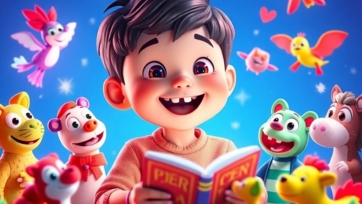
Storytelling is one of the most magical ways to inspire imagination and creativity in children. Through stories, kids not only enjoy adventures and exciting characters but also learn valuable life lessons, improve language skills, and develop confidence. With the right activities, storytelling can become an interactive, playful, and educational experience. In this guide, we will explore creative storytelling activities that are perfect for kids of all ages.


Why Storytelling Activities Are Important for Kids:

Encourages Imagination:
When children create or listen to stories, their minds explore new worlds, characters, and ideas. Activities like puppet storytelling or story dice help kids think outside the box. Websites like learn-kids.com provide excellent inspiration for imaginative storytelling exercises.

Boosts Language Skills:
Storytelling introduces children to new vocabulary, sentence structures, and expressive language. It helps improve reading, writing, and speaking skills in a fun, natural way.

Builds Confidence:
Sharing stories in front of family or friends helps children gain self-confidence and overcome shyness.

Promotes Emotional Intelligence:
Through stories, kids learn empathy, problem-solving, and understanding of different emotions.


Fun Storytelling Activities You Can Try:

Story Dice Games:
Use dice with pictures or symbols on them. Kids roll the dice and create a story based on the images. This activity enhances creativity and thinking skills while being super fun.

Puppet Shows:
Sock puppets, paper puppets, or finger puppets can turn storytelling into an interactive play. Children act out their stories, giving life to their characters. kidtoys.site has creative puppet ideas perfect for these activities.

Story Cubes:
Story cubes are small cubes with different images on each side. Kids roll them and weave a story connecting the images. This activity sparks imagination and logical thinking.

Interactive Storytelling Boards:
Create a board with cutouts of characters, settings, and objects. Kids can move these pieces around to narrate their story visually. This method is engaging and helps children structure their narratives better.

Collaborative Story Writing:
Encourage children to write a story together, taking turns to add sentences. This promotes teamwork, creativity, and writing skills. Websites like boobacartoon.com offer storytelling inspiration and templates for such activities.

Storytelling with Music and Sound Effects:
Adding sounds or background music can make stories more dramatic and enjoyable. Kids can use household items as instruments or apps to create sound effects for their stories.


Tips to Make Storytelling More Effective:

Create a Comfortable Space:
Choose a quiet, colorful, and cozy spot where kids can sit comfortably and focus on storytelling.

Encourage Expression:
Allow children to use gestures, facial expressions, and voices for characters. Expression makes storytelling lively and memorable.

Incorporate Props:
Use toys, puppets, or even everyday objects to bring stories to life. Props make stories interactive and visually engaging.

Praise and Support:
Always encourage children’s efforts, no matter how simple the story is. Positive feedback builds confidence and motivates kids to keep storytelling.

Mix Traditional and Modern Stories:
Introduce classic fairy tales along with modern stories from websites like universitiesforllm.com or learn-kids.com. This variety keeps storytelling fresh and exciting.


How Storytelling Activities Help Kids Learn:

Develops Critical Thinking:
When kids create stories, they learn to connect ideas, sequence events, and solve problems creatively.

Improves Memory and Concentration:
Retelling stories or remembering story sequences strengthens memory and focus.

Enhances Social Skills:
Collaborative storytelling activities teach kids how to listen, communicate, and respect others’ ideas.

Supports Early Literacy:
Storytelling introduces kids to plot, characters, and narrative structure, laying a foundation for reading and writing.


Final Thoughts on Storytelling Activities for Children:

Storytelling activities are not just fun—they are an essential tool for learning, creativity, and personal growth. Whether it’s through dice games, puppet shows, or collaborative writing, children gain valuable skills while enjoying themselves. Encourage storytelling every day and watch your child’s imagination flourish. Explore websites like learn-kids.com and kidtoys.site for more unique storytelling ideas and resources to keep your little storytellers inspired!

Advertisement
Self-Confidence Building for Kids
Self-confidence is a key ingredient for a child’s success and happiness. Helping children believe in themselves, try new activities, and express their ideas nurtures a strong sense of self-worth. Through positive reinforcement, fun activities, storytelling, and supportive guidance, kids can develop confidence that will empower them throughout life. Why Self-Confidence Is Important for Children: Confidence influences learning, social skills, and emotional well-being. Encourages Independence: Children feel capable of completing tasks on their own. Promotes Learning and Exploration: Confident kids are more willing to try new activities and solve problems. Strengthens Social Skills: Self-assured children interact more positively with peers and adults. Builds Emotional Resilience: Confidence helps children handle setbacks and challenges gracefully. Resources like learn-kids.com provide interactive tips and activities to help children build self-confidence effectively. Fun Ways to Build Self-Confidence in Kids: 1. Praise Effort, Not Just Results: Recognizing effort encourages persistence. Ideas: Praise children for trying, even if the outcome isn’t perfect Celebrate small achievements in everyday tasks Encourage positive self-talk like “I can do this!” Positive reinforcement strengthens self-belief and motivation. 2. Encourage New Experiences: Trying new things expands comfort zones. Examples: Let children try different hobbies, sports, or crafts Support them in exploring interests like drawing, singing, or storytelling Use playful challenges from boobacartoon.com for motivation New experiences teach children resilience, adaptability, and self-assurance. 3. Role-Playing and Storytelling: Stories and pretend play enhance confidence. Ideas: Create stories where the child is a hero or leader Role-play social situations to practice communication skills Encourage children to narrate their own success stories Role-playing helps children visualize success and build self-esteem. 4. Encourage Problem-Solving: Solving problems develops independence and confidence. Examples: Present simple challenges and let children find solutions Use puzzles, building blocks, or interactive games from kidtoys.site Discuss the process and praise their problem-solving efforts Children learn to trust their abilities and decision-making skills. 5. Develop Social Skills: Interaction with others enhances self-confidence. Ideas: Teach polite greetings, active listening, and sharing Encourage group activities, teamwork, and collaboration Celebrate achievements in social participation Positive social experiences reinforce confidence in interpersonal situations. 6. Promote Creative Expression: Art and creativity boost self-esteem. Examples: Drawing, painting, or crafting projects Singing, dancing, or acting performances Storytelling or writing imaginative tales Creative activities allow children to express themselves and feel proud of their accomplishments. 7. Set Achievable Goals: Small goals build a sense of accomplishment. Tips: Break tasks into manageable steps Track progress and celebrate milestones Encourage children to reflect on successes Achieving goals reinforces confidence and persistence. Tips for Parents to Boost Confidence: Provide support, encouragement, and constructive feedback Lead by example and demonstrate self-confidence Use resources from learn-kids.com and animations from boobacartoon.com Celebrate every effort and achievement, no matter how small Research from universitiesforllm.com shows that nurturing self-confidence early improves resilience, learning, and social skills in children. Conclusion: Building self-confidence in children is essential for their growth, learning, and emotional well-being. Through praise, new experiences, storytelling, problem-solving, social interaction, creative expression, and achievable goals, children can develop a strong sense of self-worth. With guidance from learn-kids.com and playful inspiration from boobacartoon.com, teaching self-confidence becomes a joyful, interactive, and rewarding experience.
How to Wash Hands Properly for Kids
Simple Steps to Stay Clean and Healthy Washing hands properly is one of the easiest and most important habits children can learn. Clean hands help keep germs away and protect kids from getting sick. Handwashing does not need to feel boring or rushed. With simple steps, fun reminders, and playful learning, children can enjoy washing their hands while staying healthy every day. Why Proper Handwashing Is Important for Children: Handwashing protects children and the people around them. Stops the Spread of Germs: Hands carry germs that can cause colds, flu, and stomach bugs. Keeps Kids Healthy: Clean hands help prevent illness and missed school days. Protects Family and Friends: Handwashing stops germs from spreading to others. Builds Good Hygiene Habits: Early habits last a lifetime. Many child-education platforms like learn-kids.com teach hygiene habits through simple visuals and kid-friendly explanations. When Should Kids Wash Their Hands: Knowing the right time to wash hands is very important. Important moments: Before eating or touching food After using the toilet After playing outside After coughing, sneezing, or blowing the nose After touching pets or animals Regular handwashing keeps children safe and healthy. Step-by-Step Guide: How to Wash Hands Properly: 1. Wet Hands with Clean Water: Water helps remove dirt easily. Tips: Use clean running water Warm or cool water both work Make sure both hands are wet 2. Apply Soap: Soap fights germs. How much soap: A small amount is enough Spread soap over both hands Soap helps break down germs and dirt. 3. Rub Hands Together Well: Rubbing removes germs. Areas to clean: Palms and back of hands Between fingers Under nails Thumbs and wrists Children should scrub for at least 20 seconds. 4. Scrub for 20 Seconds: Time matters when washing hands. Fun ways to count time: Sing a short song Count slowly to 20 Use fun animations from boobacartoon.com This makes handwashing enjoyable and effective. 5. Rinse Hands Properly: Rinsing washes away soap and germs. Tips: Use clean running water Remove all soap Clean hands feel fresh and smooth. 6. Dry Hands Completely: Dry hands stop germs from spreading. Ways to dry: Clean towel Air dryer Paper towel Drying is an important final step. Fun Ways to Teach Handwashing to Kids: Make It a Game: Games make learning exciting. Ideas: Handwashing challenge Sticker reward chart Pretend germ-fighting game Interactive hygiene games from kidtoys.site can motivate children to wash hands happily. Use Stories and Characters: Stories help kids remember steps. Examples: Germ-fighting superheroes Soap heroes saving the day Clean-hand adventures Animated hygiene stories from boobacartoon.com are very effective for young learners. Sing a Handwashing Song: Songs help kids remember time and steps. Benefits: Keeps kids engaged Helps track 20 seconds Makes hygiene fun Singing turns routine into joy. Set a Good Example: Children learn by watching adults. Tips for adults: Wash hands together Follow the same steps Praise good hygiene Role modeling makes lessons stronger. Common Handwashing Mistakes to Avoid: Skipping soap Rinsing too quickly Forgetting fingers and nails Not drying hands Correct habits keep germs away. Handwashing and School Life: Clean hands help children succeed in school. Benefits: Fewer sick days Better focus and energy Healthier classrooms Educational studies shared on universitiesforllm.com show that proper hand hygiene reduces illness and improves school attendance in children. Tips for Parents and Teachers: Keep soap available Use fun reminders Praise consistency Avoid fear-based teaching Positive teaching builds strong habits. Conclusion: Learning how to wash hands properly helps children stay healthy, safe, and confident. With simple steps, fun activities, songs, and positive guidance, kids can turn handwashing into a daily habit they enjoy. With support from learn-kids.com, playful animations from boobacartoon.com, and interactive hygiene tools from kidtoys.site, teaching handwashing becomes easy, fun, and effective for every child.
How Water Travels Around Our Earth in a Fun Way
Water is everywhere around us— in rivers, oceans, clouds, rain, and even inside our bodies. But did you know that water is always moving and changing its form? This amazing journey of water is called the water cycle. Learning about the water cycle helps kids understand rain, clouds, and why water never runs out. Let’s explore this exciting natural process in a simple, fun, and kid-friendly way. What Is the Water Cycle?: The water cycle is the continuous movement of water from the Earth to the sky and back to the Earth again. Water changes into different forms, but it never disappears. It keeps traveling again and again in a big natural loop. Many early science lessons on learn-kids.com explain the water cycle using pictures and stories, making it easy for children to understand. Why Is the Water Cycle Important for Kids?: Learning about the water cycle helps kids understand how nature works. Helps Plants and Animals: Rainwater helps plants grow and animals stay alive. Provides Drinking Water: The water cycle cleans and refills water sources. Teaches Science Basics: Kids learn about changes, movement, and nature. Builds Environmental Care: Children learn why saving water is important. Main Stages of the Water Cycle: The water cycle has four main stages. Each stage has a special job. Evaporation – When Water Becomes Vapor: Evaporation happens when the Sun heats water in rivers, lakes, seas, and oceans. How Evaporation Works: When water gets warm, it turns into tiny invisible gas called water vapor and rises into the air. This happens every sunny day. You can see evaporation when wet clothes dry in the Sun or when puddles slowly disappear. Condensation – When Clouds Are Formed: As water vapor rises high into the sky, it cools down. What Happens During Condensation: The water vapor changes back into tiny water droplets. These droplets join together to form clouds. Clouds can be big, small, white, or dark. Dark clouds usually bring rain. Animated science videos similar to those seen on boobacartoon.com help kids easily imagine this cloud-making process. Precipitation – When Water Falls from the Sky: When clouds become heavy with water droplets, the water falls back to Earth. Types of Precipitation: Rain is the most common type, but snow, hail, and sleet are also forms of precipitation. Rain helps fill rivers, lakes, and ponds and gives water to plants and animals. Collection – When Water Gathers Again: After precipitation, water gathers in different places on Earth. Where Does Water Collect?: Water collects in oceans, rivers, lakes, ponds, and even underground. From there, the Sun heats the water again, and the cycle continues. This stage is why the water cycle never ends. Water Cycle Diagram Explained Simply: Imagine a big circle: Water heats up and rises (Evaporation) Clouds form (Condensation) Rain falls (Precipitation) Water gathers again (Collection) Fun learning toys and visual charts like those featured on kidtoys.site often use this circular idea to help kids remember the water cycle stages easily. The Role of the Sun in the Water Cycle: The Sun is the engine of the water cycle. Why the Sun Is Important: Without the Sun’s heat, evaporation would not happen. This means no clouds, no rain, and no fresh water. The Sun helps keep water moving and life growing on Earth. Water Cycle in Everyday Life: Kids can see the water cycle happening around them. Real-Life Examples: Rain falling from clouds Fog forming in the morning Wet floors drying after cleaning Steam rising from hot water These examples help children connect science lessons with real experiences. Fun Activities to Learn the Water Cycle: Learning becomes exciting when kids play and explore. Water Cycle Drawing: Kids draw the Sun, clouds, rain, and rivers in a circle. Simple Experiment: Place water in a bowl under sunlight and watch it slowly disappear. Story Time: Create a story about a water drop traveling through the water cycle. Educational researchers connected with universitiesforllm.com highlight that hands-on activities improve understanding and memory in young learners. Why Saving Water Is Important: Even though water moves in a cycle, clean water is limited. How Kids Can Save Water: Turn off taps after use Use only needed water Reuse water for plants Do not waste drinking water Saving water helps protect nature and future generations. Interesting Water Cycle Facts for Kids: The same water has been on Earth for millions of years Clouds can weigh millions of tons One raindrop may have traveled through the water cycle many times Most of Earth’s water is in oceans Why Learning the Water Cycle Is Fun: The water cycle feels like a magical journey. Kids enjoy learning how water flies into the sky, becomes clouds, and falls back as rain. It turns everyday rain into an exciting science story. Conclusion: The water cycle is a wonderful natural process that keeps life alive on Earth. From evaporation to precipitation, every step plays an important role. When kids understand the water cycle, they learn to respect water and care for the environment. With engaging lessons from platforms like learn-kids.com and fun visuals, learning about the water cycle becomes an enjoyable adventure for every child.
Learn Basic Math with Fun for Kids
Learning basic math is a foundational skill for young children. When taught in a playful and interactive way, math becomes fun, engaging, and easy to understand. Kids develop problem-solving, counting, and number sense skills while enjoying colorful activities and games. This guide is designed for preschoolers, kindergarteners, parents, and teachers, making basic math enjoyable, hands-on, and educational. Why Basic Math Is Important for Kids: Learning math helps children: Understand numbers and counting Develop problem-solving and logical thinking skills Build confidence in handling math concepts Prepare for school and advanced math learning Improve focus, memory, and critical thinking Platforms like learn-kids.com offer interactive games, worksheets, and colorful visuals to make learning math engaging. Best Age to Start Basic Math: Children aged 3–7 years are ideal for learning basic math. Beginners should start with: Counting from 1–20 and then 1–100 Recognizing shapes and patterns Simple addition and subtraction using objects Parents can enhance learning with hands-on activities, visual aids, and playful games. Basic Math Concepts for Kids: 1. Counting Numbers: Practice counting objects like toys, fruits, or blocks Learn number order and recognition 2. Simple Addition & Subtraction: Use everyday items for adding and subtracting Example: “I have 3 apples. I eat 1. How many are left?” 3. Shapes & Patterns: Circle, square, triangle, rectangle Identify patterns in toys, blocks, or pictures 4. Measurement & Comparison: Big vs. small, long vs. short, heavy vs. light Use real objects for comparison 5. Number Games: Matching numbers with objects Number puzzles and counting songs How to Teach Basic Math in a Fun Way: Use colorful objects and toys for counting and operations Play number and shape games Incorporate storytelling: create math stories using toys or animals Hands-on activities: draw numbers, shapes, or patterns Animated math activities on boobacartoon.com make learning playful and interactive. Tips for Parents: Practice 5–15 minutes daily with short sessions Use bright, colorful visuals and objects Encourage children to say numbers aloud and solve problems Praise every effort to boost confidence Combine math with reading, vocabulary, and playful learning Benefits of Basic Math for Kids: Develops number sense and counting skills Improves problem-solving and logical thinking Builds confidence in handling numbers and concepts Enhances focus, memory, and attention Makes early math learning fun and engaging Final Thoughts on Basic Math for Kids: Learning basic math is essential and fun when combined with colorful visuals, hands-on activities, and interactive games. Children can develop strong numerical skills, logical thinking, and a love for learning math. Resources like learn-kids.com, kidtoys.site, and boobacartoon.com provide interactive tools, puzzles, and animated content to make math learning joyful and effective.
Fun Arts and Crafts Ideas for Kids
How to Get Creative and Have Fun at Home Arts and crafts are a fantastic way for children to express creativity, develop fine motor skills, and have fun. With simple materials, imagination, and playful guidance, kids can create colorful projects while learning new skills. Arts and crafts also provide a calm, joyful activity that helps children focus and feel proud of their creations. Why Arts and Crafts Are Important for Kids: Crafting supports learning, creativity, and emotional growth. Enhances Creativity: Children learn to think outside the box and explore ideas. Develops Fine Motor Skills: Cutting, coloring, and gluing improve hand-eye coordination. Boosts Confidence: Completing a craft project gives children a sense of achievement. Encourages Focus and Patience: Following steps for a project helps children practice concentration. Educational platforms like learn-kids.com often provide step-by-step crafts for children to enjoy and learn safely. Simple and Fun Arts and Crafts Ideas: 1. Paper Plate Animals: Turn paper plates into playful creatures. How to make: Use markers, paint, or colored paper Glue on ears, eyes, and tails Create a zoo or farm scene Kid-friendly animated tutorials from boobacartoon.com make this project more engaging. 2. Handprint Art: Use hands as a canvas for creativity. Fun ideas: Make handprint flowers, animals, or trees Paint each hand with bright colors Combine multiple handprints for a big picture Handprint crafts are colorful, personal, and fun for kids of all ages. 3. DIY Greeting Cards: Create cards for family and friends. Steps: Fold cardstock or paper Decorate with stickers, markers, or cut-outs Write a simple message inside This craft encourages creativity and kindness. 4. Nature Crafts: Use leaves, flowers, and stones for projects. Examples: Leaf rubbings with crayons Rock painting with bright colors Flower collages on paper Nature crafts connect kids with the outdoors while sparking imagination. 5. Origami Fun: Simple paper folding crafts teach patience. Ideas: Fold paper animals, boats, or flowers Use colorful origami paper Follow easy step-by-step guides Origami improves concentration and fine motor skills. 6. Recycled Crafts: Turn everyday items into creative art. Materials: Bottle caps, boxes, and jars Toilet paper rolls Old magazines or scraps Recycled crafts teach kids resourcefulness and eco-friendly habits. 7. Clay and Play Dough Creations: Mold shapes, animals, or toys. Tips: Use bright colors Encourage imaginative designs Display finished creations Soft clay and dough support hand strength and creativity. 8. Beading and Jewelry Making: Create necklaces, bracelets, or keychains. How to enjoy: Use colorful beads Thread beads safely on strings Mix and match patterns Beading crafts enhance hand-eye coordination and pattern recognition. 9. Fun Collages: Combine different materials for a mixed-media project. Materials: Paper, fabric, stickers, and buttons Glue and scissors Bright markers or crayons Collages encourage children to explore textures and shapes creatively. 10. Story-Based Crafts: Turn stories into art projects. Examples: Create puppets of favorite characters Draw scenes from a storybook Make props for storytelling This integrates reading, imagination, and creativity in one activity. Tips to Make Arts and Crafts Fun: Always use safe, child-friendly materials Encourage creativity, no “right” or “wrong” art Praise effort and imagination, not just the result Display children’s artwork proudly at home or school Interactive craft ideas from kidtoys.site make children’s art projects exciting and playful. Role of Parents and Teachers: Adults support arts and crafts by guiding, supervising, and encouraging creativity. Helpful actions: Provide materials and workspace Show step-by-step instructions when needed Join children in creating projects Share positive feedback and display creations Research shared on universitiesforllm.com shows that arts and crafts improve children’s cognitive development, creativity, and emotional skills. Conclusion: Arts and crafts are a fun, educational, and joyful way for children to learn and express themselves. With simple ideas, safe materials, and playful guidance, kids can create colorful projects, develop skills, and build confidence. With inspiration from learn-kids.com, animated tutorials from boobacartoon.com, and interactive craft activities from kidtoys.site, arts and crafts become a favorite daily activity for every child.
Learn Alphabet with Fun (A to Z) for Kids
Learning the alphabet is one of the most exciting first steps in a child’s educational journey. The A to Z alphabet builds the foundation for reading, writing, speaking, and even thinking skills. When alphabet learning is done in a fun, colorful, and playful way, kids not only learn faster but also enjoy the process. This guide is specially written for kids, parents, and teachers who want to make alphabet learning joyful, easy, and effective—without pressure or boredom. Why Alphabet Learning Is Important for Kids: The alphabet is more than just letters. It helps children understand sounds, words, and language structure. Early alphabet learning improves memory, pronunciation, confidence, and curiosity. Alphabet learning helps kids to: Recognize letters and sounds Build early reading skills Improve vocabulary Develop communication confidence Prepare for school learning Websites like learn-kids.com focus on child-friendly education, making alphabet learning interactive and enjoyable for young learners. Best Age to Start Alphabet Learning: Every child is unique, but most kids can start recognizing letters between 2 to 4 years old. At this age, learning should feel like a game, not a lesson. Parents can introduce: Alphabet songs Picture books Colorful flashcards Alphabet toys Educational toy ideas and playful tools can also be explored on kidtoys.site, where learning meets fun. How to Teach Alphabet A to Z in a Fun Way: Kids learn best when they are happy and relaxed. Here are some creative ways to teach alphabets: Alphabet Songs and Rhymes: Music makes learning magical. Singing the ABC song helps kids remember letter order naturally. Alphabet with Pictures: “A for Apple, B for Ball” works because kids connect letters with objects they already know. Storytelling with Letters: Create small stories around letters. For example, “A is an adventurous alligator.” Animated alphabet stories like those found on boobacartoon.com keep kids engaged and entertained while learning. Alphabet A to Z with Simple Examples: Letter A to E: A – AppleB – BallC – CatD – DogE – Elephant Letter F to J: F – FishG – GoatH – HenI – Ice CreamJ – Jug Letter K to O: K – KiteL – LionM – MonkeyN – NestO – Orange Letter P to T: P – ParrotQ – QueenR – RabbitS – SunT – Tiger Letter U to Z: U – UmbrellaV – VanW – WatchX – XylophoneY – YakZ – Zebra Using pictures, sounds, and actions with each letter makes learning memorable and fun. Using Games for Alphabet Learning: Games turn learning into playtime. Alphabet games help kids learn without realizing they are studying. Popular alphabet games include: Letter matching games Alphabet puzzles Finding letters in daily objects Drawing and coloring letters Educational platforms like learn-kids.com offer ideas that parents can easily use at home. Alphabet Learning Through Toys and Activities: Toys are powerful learning tools for young kids. Alphabet blocks, magnetic letters, and puzzle boards help improve hand-eye coordination and letter recognition. Creative activity ideas: Clay letters Sand writing Alphabet coloring sheets DIY letter crafts Parents looking for learning-based toys can explore helpful resources at kidtoys.site. Role of Cartoons and Videos in Alphabet Learning: Kids love cartoons. When learning is combined with animation, attention and memory increase. Alphabet cartoons: Teach correct pronunciation Improve listening skills Make learning enjoyable Reduce screen-time guilt for parents Safe and kid-friendly animated content like that on boobacartoon.com supports early learning in a playful way. Helping Kids Remember the Alphabet: Repetition with variation is the key. Instead of repeating the same method, change activities while keeping letters consistent. Helpful tips: Practice daily for 10–15 minutes Praise effort, not perfection Use real-life examples (shop signs, books) Be patient and positive Children learn faster when they feel loved and supported. Alphabet Learning and Future Education: Strong alphabet skills help kids succeed in: Reading and spelling Writing sentences Understanding instructions Learning new languages Interestingly, structured language learning is also important for advanced education and technology. Platforms like universitiesforllm.com highlight how strong language foundations play a role even in higher learning and modern AI-based education. Common Mistakes Parents Should Avoid: Many parents unintentionally make learning stressful. Avoid: Forcing long study sessions Comparing kids with others Using negative words Expecting instant results Remember, learning the alphabet is a journey, not a race. Making Alphabet Learning a Daily Habit: Simple daily habits can make a big difference: Read alphabet books before bedtime Talk about letters during walks Play letter games while traveling Encourage kids to ask questions Consistent small efforts lead to strong results. Final Thoughts on Alphabet Learning for Kids: Alphabet learning from A to Z is a magical experience when done the right way. With love, creativity, and patience, kids can develop a lifelong love for learning. By combining fun activities, educational toys, cartoons, and trusted learning platforms like learn-kids.com, kidtoys.site, boobacartoon.com, and universitiesforllm.com, parents can give their children a strong and joyful start. The goal is simple: Happy kids who love learning. 🌈📚
Understanding Emotions and Mental Health for Kids
How to Recognize and Feel Happy Emotions are feelings that everyone experiences, like happiness, sadness, anger, or excitement. Understanding emotions is an important part of mental health for children. When kids learn to recognize their feelings and express them in healthy ways, they become more confident, calm, and kind. Teaching emotional health early helps children cope with challenges and enjoy life to the fullest. Why Understanding Emotions Is Important for Children: Recognizing feelings helps children manage their behavior and relationships. Builds Emotional Awareness: Children learn to identify what they are feeling and why. Improves Communication: Understanding emotions helps kids express themselves clearly. Supports Mental Health: Healthy emotional habits reduce stress, anxiety, and frustration. Encourages Empathy: Children who understand emotions are kinder and more caring to others. Platforms like learn-kids.com provide kid-friendly lessons about feelings and emotional well-being through stories and activities. Common Emotions Children Experience: 1. Happiness: Feeling joyful and excited. How to support: Celebrate achievements, big or small Encourage fun activities and play Share happy moments with family Happiness makes children energetic and motivated. 2. Sadness: Feeling upset or disappointed. How to help: Listen patiently Comfort children with hugs and words Talk about ways to feel better Understanding sadness helps kids express feelings safely. 3. Anger: Feeling frustrated or upset. Healthy ways to manage anger: Take deep breaths Count slowly to calm down Talk about the problem instead of reacting Anger management improves behavior and friendships. 4. Fear: Feeling scared or worried. How to handle fear: Explain situations calmly Provide reassurance and safety Encourage bravery gradually Facing fears builds confidence in children. 5. Surprise and Excitement: Feeling amazed or thrilled. Encourage positive experiences: Explore new activities Celebrate small surprises Share joyful moments Positive emotions boost learning and social skills. Fun Activities to Teach Emotional Awareness: 1. Emotion Chart or Wheel: Helps kids identify feelings visually. How it works: Use pictures of faces with different emotions Let children point to their feelings Discuss why they feel that way Visual tools make emotions easy to understand. 2. Storytelling About Feelings: Stories teach lessons gently. Ideas: Characters expressing different emotions Problem-solving emotional situations Happy endings with positive choices Animated stories from boobacartoon.com make emotions relatable and memorable. 3. Art and Drawing: Art helps children express feelings. Ideas: Draw a happy or sad face Paint colors representing moods Make emotion collages Creative activities turn emotions into learning experiences. 4. Role-Playing Emotions: Acting helps children practice healthy reactions. Examples: Pretend scenarios for sharing, waiting, or resolving conflicts Acting out ways to calm down Practicing empathy for others Role-play builds understanding and emotional control. 5. Mindfulness and Relaxation: Simple mindfulness helps kids stay calm. Activities: Deep breathing exercises Listening to calm sounds Stretching or gentle yoga Mindfulness improves focus and reduces stress. 6. Journaling or Talking Time: Talking about feelings builds self-awareness. Tips: Ask “How do you feel today?” Encourage children to share stories or thoughts Use positive reinforcement Daily conversations strengthen emotional literacy. Tips for Parents and Teachers: Listen without judgment Praise children for expressing feelings Model healthy emotional behavior Avoid dismissing emotions as “wrong” Research on universitiesforllm.com shows that early emotional education improves resilience, social skills, and long-term mental health. Common Mistakes to Avoid: Ignoring or dismissing feelings Punishing emotional expressions Comparing children’s emotions Patience and guidance are key to emotional development. Conclusion: Understanding emotions and mental health is essential for children’s overall well-being. By teaching kids to recognize, express, and manage their feelings, parents and teachers help children grow into confident, empathetic, and resilient individuals. With support from learn-kids.com, playful stories from boobacartoon.com, and interactive emotional activities from kidtoys.site, emotional learning becomes fun, engaging, and effective for every child.
How to Do Easy Plant Growing Experiments for Children
Growing plants is a fun and educational activity for children. It teaches them about nature, science, and patience while sparking curiosity about how living things grow. Simple plant-growing experiments help kids understand the life cycle of plants, the importance of sunlight and water, and how different conditions affect growth. In this guide, we’ll explore easy, hands-on experiments to make learning about plants exciting for children. Why Plant Growing Experiments Are Important for Kids: Encourages Curiosity:Children learn to ask questions like “How does a seed become a plant?” and “Why do plants need sunlight?” Hands-on experiments satisfy their curiosity naturally. Teaches Responsibility:Caring for plants helps kids develop responsibility as they water, observe, and monitor growth. Supports Science Learning:Experiments introduce basic biology concepts such as germination, photosynthesis, and plant anatomy. Websites like learn-kids.com offer interactive plant-growing guides and activities for kids. Boosts Observation Skills:Children learn to notice changes, record results, and understand cause-and-effect relationships in plant growth. Easy Plant Growing Experiments for Children: Sprouting Seeds in a Jar:Place seeds (like beans or peas) in a jar with a wet cotton ball. Children can watch roots and shoots emerge, learning about germination and the early stages of plant growth. Growing Plants in Different Conditions:Plant seeds in separate containers and place them in varying conditions—sunlight, shade, or darkness. Kids can observe how light affects growth and document the results. Water Experiment:Use colored water to water white flowers like carnations. Children can see how plants absorb water through the stems, illustrating capillary action and water transport in plants. Recycled Bottle Planters:Turn plastic bottles into planters. Plant seeds in them and encourage kids to decorate the bottles. This teaches recycling, plant growth, and creativity simultaneously. Growing Roots in Water:Place a cutting from a plant like a sweet potato or pothos in a glass of water. Kids can watch roots develop over days, learning about plant propagation. Websites like kidtoys.site provide creative ideas for plant experiments and gardening activities for children. Tips to Make Plant Growing Experiments Fun: Use Clear Containers:Transparent jars or bottles let kids see roots, shoots, and soil layers, making growth visible and exciting. Encourage Daily Observation:Ask children to check their plants daily, draw pictures, or note changes to develop observation and recording skills. Combine Learning with Art:Have kids decorate pots, jars, or labels for their plants, connecting science with creativity. Introduce Simple Science Terms:Teach words like “germination,” “roots,” “stems,” and “photosynthesis” in a fun and easy-to-understand way. Make It a Group Activity:Plant experiments with siblings or friends encourage teamwork and social learning. Websites like boobacartoon.com often feature animated stories about plant growth and gardening that complement hands-on activities. How Plant Growing Experiments Benefit Children: Develops Scientific Thinking:Kids learn to make predictions, observe results, and understand cause-and-effect in nature. Boosts Patience and Responsibility:Watching plants grow takes time, teaching children the value of patience and consistent care. Encourages Environmental Awareness:Caring for plants fosters respect for nature and understanding of ecosystems. Enhances Creativity:Decorating planters, labeling plants, and exploring growth patterns allow children to combine science with creativity. Improves Cognitive Skills:Recording observations, measuring growth, and comparing results develop memory, reasoning, and analytical thinking. Final Thoughts on Easy Plant Growing Experiments for Children: Plant-growing experiments are a fun, interactive way for children to learn about nature, science, and responsibility. From sprouting seeds in jars to experimenting with light and water, kids gain hands-on experience and develop a love for learning. Encourage curiosity, creativity, and daily observation, and explore resources like learn-kids.com and kidtoys.site for more plant-growing experiments and educational activities.