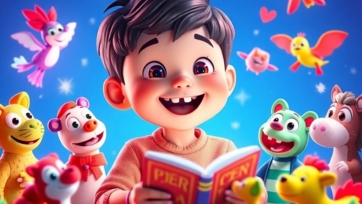
Learn Phonics Sounds with Fun for Beginners (A to Z)

Learning phonics sounds is one of the most important steps for beginners who are starting their reading journey. Phonics helps children understand the connection between letters and sounds, making reading easier, faster, and more enjoyable. When phonics learning is combined with fun activities, bright visuals, and playful practice, kids stay engaged and confident.

This article is specially written for beginners and young kids, using simple language, joyful examples, and stress-free learning methods.


What Are Phonics Sounds:

Phonics sounds are the sounds that letters make in words. For example, the letter B makes the sound /b/ as in ball, and C can make the sound /k/ as in cat. Learning phonics helps kids read words instead of memorizing them.

Phonics learning focuses on:

  • Letter sounds, not just letter names

  • Blending sounds to make words

  • Recognizing patterns in words

This skill builds the foundation for reading, spelling, and pronunciation.


Why Phonics Is Important for Beginners:

Phonics makes reading simple and logical. Instead of guessing words, kids learn how to sound them out.

Benefits of phonics learning include:

  • Better reading confidence

  • Improved pronunciation

  • Strong spelling skills

  • Faster word recognition

  • Reduced fear of reading

When kids understand sounds, reading becomes fun instead of confusing.


Best Age to Start Phonics Learning:

Most children are ready to start phonics between 3 to 6 years old, once they recognize basic letters. Beginners should start slowly, with short daily practice sessions.

Parents should remember:

  • Every child learns at their own pace

  • Fun matters more than speed

  • Short practice works better than long lessons


How to Teach Phonics Sounds in a Fun Way:

Fun is the secret to successful phonics learning. Kids learn best when they are relaxed and happy.

Use Sounds Before Words:

Teach sounds first, like /a/, /b/, /c/, instead of letter names.

Sing Phonics Songs:

Songs help kids remember sounds naturally. Repeating sounds through music improves memory.

Use Actions with Sounds:

Clap, jump, or make gestures while saying sounds. Physical movement helps learning stick.


Basic Phonics Sounds for Beginners (A to Z):

Single Letter Sounds:

A – /a/ as in apple
B – /b/ as in ball
C – /k/ as in cat
D – /d/ as in dog
E – /e/ as in egg

F – /f/ as in fish
G – /g/ as in goat
H – /h/ as in hat
I – /i/ as in igloo
J – /j/ as in jug

K – /k/ as in kite
L – /l/ as in lion
M – /m/ as in monkey
N – /n/ as in nest
O – /o/ as in orange

P – /p/ as in parrot
Q – /kw/ as in queen
R – /r/ as in rabbit
S – /s/ as in sun
T – /t/ as in tiger

U – /u/ as in umbrella
V – /v/ as in van
W – /w/ as in watch
X – /ks/ as in box
Y – /y/ as in yak
Z – /z/ as in zebra


Blending Sounds to Read Words:

Blending is when kids join sounds together to read words.

Examples:

  • /c/ + /a/ + /t/ = cat

  • /d/ + /o/ + /g/ = dog

  • /b/ + /a/ + /t/ = bat

At first, blending may feel slow, but with practice it becomes automatic.


Fun Activities for Phonics Practice:

Learning phonics should feel like playtime, not homework.

Sound Hunt Game:

Ask kids to find objects that start with a specific sound around the house.

Phonics Coloring:

Color pictures while saying their starting sounds out loud.

Sound Matching:

Match pictures with their correct beginning sounds.


Using Stories and Cartoons for Phonics:

Stories and cartoons make phonics learning exciting. When kids hear sounds used in stories, they understand them better.

Benefits include:

  • Better listening skills

  • Natural sound repetition

  • Increased attention span

  • Joyful learning experience

Animated learning keeps beginners motivated.


Common Mistakes Parents Should Avoid:

Some mistakes can slow phonics progress.

Avoid:

  • Teaching letter names before sounds

  • Correcting too harshly

  • Long boring sessions

  • Comparing kids with others

Always encourage effort and celebrate small wins.


Daily Phonics Practice Routine:

A simple daily routine works best:

  • 5 minutes sound review

  • 5 minutes blending practice

  • 5 minutes fun activity

Consistency matters more than duration.


How Phonics Builds Reading Confidence:

When beginners understand phonics, they feel proud reading words on their own. This confidence leads to:

  • Love for books

  • Better school performance

  • Clear speech

  • Strong learning habits

Phonics is not just reading—it’s empowerment.


Final Thoughts on Phonics Sounds for Beginners:

Learning phonics sounds from A to Z is a joyful journey when done the right way. With patience, play, and positivity, beginners can become confident readers.

The goal is simple: happy kids who love learning sounds and words 🌈📘


Advertisement
Understanding Emotions and Mental Health for Kids
How to Recognize and Feel Happy Emotions are feelings that everyone experiences, like happiness, sadness, anger, or excitement. Understanding emotions is an important part of mental health for children. When kids learn to recognize their feelings and express them in healthy ways, they become more confident, calm, and kind. Teaching emotional health early helps children cope with challenges and enjoy life to the fullest. Why Understanding Emotions Is Important for Children: Recognizing feelings helps children manage their behavior and relationships. Builds Emotional Awareness: Children learn to identify what they are feeling and why. Improves Communication: Understanding emotions helps kids express themselves clearly. Supports Mental Health: Healthy emotional habits reduce stress, anxiety, and frustration. Encourages Empathy: Children who understand emotions are kinder and more caring to others. Platforms like learn-kids.com provide kid-friendly lessons about feelings and emotional well-being through stories and activities. Common Emotions Children Experience: 1. Happiness: Feeling joyful and excited. How to support: Celebrate achievements, big or small Encourage fun activities and play Share happy moments with family Happiness makes children energetic and motivated. 2. Sadness: Feeling upset or disappointed. How to help: Listen patiently Comfort children with hugs and words Talk about ways to feel better Understanding sadness helps kids express feelings safely. 3. Anger: Feeling frustrated or upset. Healthy ways to manage anger: Take deep breaths Count slowly to calm down Talk about the problem instead of reacting Anger management improves behavior and friendships. 4. Fear: Feeling scared or worried. How to handle fear: Explain situations calmly Provide reassurance and safety Encourage bravery gradually Facing fears builds confidence in children. 5. Surprise and Excitement: Feeling amazed or thrilled. Encourage positive experiences: Explore new activities Celebrate small surprises Share joyful moments Positive emotions boost learning and social skills. Fun Activities to Teach Emotional Awareness: 1. Emotion Chart or Wheel: Helps kids identify feelings visually. How it works: Use pictures of faces with different emotions Let children point to their feelings Discuss why they feel that way Visual tools make emotions easy to understand. 2. Storytelling About Feelings: Stories teach lessons gently. Ideas: Characters expressing different emotions Problem-solving emotional situations Happy endings with positive choices Animated stories from boobacartoon.com make emotions relatable and memorable. 3. Art and Drawing: Art helps children express feelings. Ideas: Draw a happy or sad face Paint colors representing moods Make emotion collages Creative activities turn emotions into learning experiences. 4. Role-Playing Emotions: Acting helps children practice healthy reactions. Examples: Pretend scenarios for sharing, waiting, or resolving conflicts Acting out ways to calm down Practicing empathy for others Role-play builds understanding and emotional control. 5. Mindfulness and Relaxation: Simple mindfulness helps kids stay calm. Activities: Deep breathing exercises Listening to calm sounds Stretching or gentle yoga Mindfulness improves focus and reduces stress. 6. Journaling or Talking Time: Talking about feelings builds self-awareness. Tips: Ask “How do you feel today?” Encourage children to share stories or thoughts Use positive reinforcement Daily conversations strengthen emotional literacy. Tips for Parents and Teachers: Listen without judgment Praise children for expressing feelings Model healthy emotional behavior Avoid dismissing emotions as “wrong” Research on universitiesforllm.com shows that early emotional education improves resilience, social skills, and long-term mental health. Common Mistakes to Avoid: Ignoring or dismissing feelings Punishing emotional expressions Comparing children’s emotions Patience and guidance are key to emotional development. Conclusion: Understanding emotions and mental health is essential for children’s overall well-being. By teaching kids to recognize, express, and manage their feelings, parents and teachers help children grow into confident, empathetic, and resilient individuals. With support from learn-kids.com, playful stories from boobacartoon.com, and interactive emotional activities from kidtoys.site, emotional learning becomes fun, engaging, and effective for every child.
Respect and Kindness Lessons for Kids
How to Build Positive Relationships Teaching respect and kindness to children helps them develop strong social skills, empathy, and a caring attitude. Learning these values early encourages children to treat others politely, share, help, and understand feelings. Through fun activities, stories, and daily practice, kids can develop respect and kindness naturally while enjoying playful learning. This guide shares practical ideas and lessons for teaching these important life skills. Why Respect and Kindness Are Important for Kids: Respect and kindness are essential for social and emotional development. Builds Empathy: Children learn to understand and care about others’ feelings. Improves Communication: Polite and respectful behavior helps children interact positively with friends and family. Encourages Teamwork: Kindness promotes cooperation, sharing, and collaboration in group activities. Develops Confidence and Happiness: Children who practice respect and kindness feel proud, confident, and fulfilled. Educational platforms like learn-kids.com provide creative lessons and activities to nurture respect and kindness in children through fun exercises. Fun Lessons and Activities to Teach Respect and Kindness: 1. Storytelling with Morals: Stories help children understand respect and kindness in real-life situations. Examples: A story about sharing toys with friends An animal tale about helping others in need Cartoon-based stories from boobacartoon.com emphasizing teamwork and empathy Storytelling teaches lessons in a memorable and entertaining way. 2. Role-Playing Games: Role play helps children practice polite behavior and empathy. Ideas: Pretend to be a shopkeeper and a customer, taking turns politely Act out helping a friend who is sad or hurt Role-play family or animal scenarios emphasizing sharing and respect Role-playing makes learning social skills interactive and fun. 3. Compliment and Gratitude Activities: Encouraging appreciation fosters kindness. Ideas: Have children give compliments to siblings or friends Maintain a “gratitude jar” where kids write what they are thankful for Practice saying “please,” “thank you,” and “sorry” regularly These activities reinforce positive communication and empathy. 4. Cooperative Play and Team Activities: Games and group activities teach sharing, patience, and respect. Examples: Building blocks or craft projects together Simple team games indoors or outdoors Completing puzzles or challenges as a group Interactive play teaches children to listen, wait their turn, and respect others’ ideas. 5. Acts of Kindness Challenges: Small, thoughtful actions teach practical kindness. Ideas: Help a friend or sibling with a task Share snacks or toys with others Create handmade cards or gifts for family members Encouraging small acts of kindness helps children develop a caring mindset. 6. Nature and Animal Care Lessons: Respect extends to animals and the environment. Examples: Teach children to feed birds or water plants Learn about animals and their habitats responsibly Pick up litter or maintain a small garden together Outdoor activities combine respect for nature with fun learning experiences. 7. Creative Arts and Crafts for Kindness: Arts and crafts can teach social values creatively. Ideas: Draw or paint scenes showing kindness and cooperation Make friendship bracelets or thank-you cards Illustrate moral stories emphasizing respect and sharing Websites like kidtoys.site offer creative craft ideas that incorporate lessons on empathy and teamwork. Tips for Parents to Encourage Respect and Kindness: Model respectful and kind behavior at home Praise and encourage polite and helpful actions Incorporate daily reminders about empathy and care Use storytelling, games, and activities to reinforce learning Research from universitiesforllm.com highlights that teaching kindness and respect early improves social, emotional, and cognitive development in children. How to Make Respect and Kindness Lessons Fun: Use cartoons and playful characters from boobacartoon.com for inspiration Combine outdoor play with lessons on sharing and cooperation Reward acts of kindness with positive reinforcement or recognition Turn lessons into friendly challenges or team activities Conclusion: Teaching respect and kindness to children helps them grow into empathetic, responsible, and confident individuals. Through stories, role play, cooperative games, creative crafts, and outdoor activities, kids can learn to treat others with care, politeness, and understanding. With resources from learn-kids.com and inspiration from boobacartoon.com, respect and kindness lessons become enjoyable, engaging, and a lasting part of children’s daily lives.
Addition Learning for Kids with Easy Examples
Learning addition is one of the first steps in a child’s math journey. Understanding how to combine numbers helps children develop problem-solving skills, logical thinking, and confidence. When taught in a playful and visual way, addition becomes fun and easy to grasp. This guide is designed for preschoolers, kindergarteners, parents, and teachers, making addition learning interactive, colorful, and enjoyable. Why Addition Is Important for Kids: Addition helps children: Understand how numbers combine Improve counting and number sense Build problem-solving and reasoning skills Prepare for more advanced math concepts Gain confidence in using numbers in daily life Interactive tools on learn-kids.com make addition practice engaging and colorful. Best Age to Start Learning Addition: Children aged 4–7 years are ideal for starting addition. Beginners should: Start with small numbers (1–10) Use objects, toys, or visuals for counting Repeat exercises regularly for reinforcement Parents can make learning more effective with games, hands-on activities, and daily practice. Simple Addition Examples for Kids: 1. Adding Objects: “I have 2 apples, and I get 3 more. How many apples do I have now?” Visual: show 2 apples + 3 apples = 5 apples 2. Using Fingers: Count fingers to solve simple addition problems Example: 4 + 3 = ? 3. Number Line Addition: Use a colorful number line to hop from one number to another Example: Start at 2, hop 3 steps = 5 4. Everyday Addition: “You have 1 toy car and your friend gives you 2 more. How many cars now?” Teaches real-life application Fun Ways to Teach Addition: Interactive Games: Match numbers with objects Hands-On Activities: Use blocks, beads, or toys to visualize sums Story Problems: Create mini-stories involving addition Animated Exercises: Use colorful videos from boobacartoon.com Tips for Parents: Practice 5–10 minutes daily with small numbers Encourage children to say numbers aloud while adding Use bright, playful visuals for reinforcement Praise every effort to boost confidence Gradually increase numbers as kids master basics Benefits of Learning Addition for Kids: Builds number sense and counting skills Develops logical thinking and problem-solving Enhances confidence in math Strengthens memory and attention Makes early math learning interactive and enjoyable Final Thoughts on Addition for Kids: Addition is a fun and essential skill for young learners. With playful examples, colorful objects, interactive games, and hands-on practice, children can develop strong numerical skills, confidence, and a love for math. Resources like learn-kids.com, kidtoys.site, and boobacartoon.com provide interactive tools, toys, and videos to make addition learning joyful and effective.
How to Wash Hands Properly for Kids
Simple Steps to Stay Clean and Healthy Washing hands properly is one of the easiest and most important habits children can learn. Clean hands help keep germs away and protect kids from getting sick. Handwashing does not need to feel boring or rushed. With simple steps, fun reminders, and playful learning, children can enjoy washing their hands while staying healthy every day. Why Proper Handwashing Is Important for Children: Handwashing protects children and the people around them. Stops the Spread of Germs: Hands carry germs that can cause colds, flu, and stomach bugs. Keeps Kids Healthy: Clean hands help prevent illness and missed school days. Protects Family and Friends: Handwashing stops germs from spreading to others. Builds Good Hygiene Habits: Early habits last a lifetime. Many child-education platforms like learn-kids.com teach hygiene habits through simple visuals and kid-friendly explanations. When Should Kids Wash Their Hands: Knowing the right time to wash hands is very important. Important moments: Before eating or touching food After using the toilet After playing outside After coughing, sneezing, or blowing the nose After touching pets or animals Regular handwashing keeps children safe and healthy. Step-by-Step Guide: How to Wash Hands Properly: 1. Wet Hands with Clean Water: Water helps remove dirt easily. Tips: Use clean running water Warm or cool water both work Make sure both hands are wet 2. Apply Soap: Soap fights germs. How much soap: A small amount is enough Spread soap over both hands Soap helps break down germs and dirt. 3. Rub Hands Together Well: Rubbing removes germs. Areas to clean: Palms and back of hands Between fingers Under nails Thumbs and wrists Children should scrub for at least 20 seconds. 4. Scrub for 20 Seconds: Time matters when washing hands. Fun ways to count time: Sing a short song Count slowly to 20 Use fun animations from boobacartoon.com This makes handwashing enjoyable and effective. 5. Rinse Hands Properly: Rinsing washes away soap and germs. Tips: Use clean running water Remove all soap Clean hands feel fresh and smooth. 6. Dry Hands Completely: Dry hands stop germs from spreading. Ways to dry: Clean towel Air dryer Paper towel Drying is an important final step. Fun Ways to Teach Handwashing to Kids: Make It a Game: Games make learning exciting. Ideas: Handwashing challenge Sticker reward chart Pretend germ-fighting game Interactive hygiene games from kidtoys.site can motivate children to wash hands happily. Use Stories and Characters: Stories help kids remember steps. Examples: Germ-fighting superheroes Soap heroes saving the day Clean-hand adventures Animated hygiene stories from boobacartoon.com are very effective for young learners. Sing a Handwashing Song: Songs help kids remember time and steps. Benefits: Keeps kids engaged Helps track 20 seconds Makes hygiene fun Singing turns routine into joy. Set a Good Example: Children learn by watching adults. Tips for adults: Wash hands together Follow the same steps Praise good hygiene Role modeling makes lessons stronger. Common Handwashing Mistakes to Avoid: Skipping soap Rinsing too quickly Forgetting fingers and nails Not drying hands Correct habits keep germs away. Handwashing and School Life: Clean hands help children succeed in school. Benefits: Fewer sick days Better focus and energy Healthier classrooms Educational studies shared on universitiesforllm.com show that proper hand hygiene reduces illness and improves school attendance in children. Tips for Parents and Teachers: Keep soap available Use fun reminders Praise consistency Avoid fear-based teaching Positive teaching builds strong habits. Conclusion: Learning how to wash hands properly helps children stay healthy, safe, and confident. With simple steps, fun activities, songs, and positive guidance, kids can turn handwashing into a daily habit they enjoy. With support from learn-kids.com, playful animations from boobacartoon.com, and interactive hygiene tools from kidtoys.site, teaching handwashing becomes easy, fun, and effective for every child.
Moral Stories for Kids
How to Learn Life Lessons Through Fun Tales Moral stories are a wonderful way for children to learn important life values while enjoying entertaining tales. These stories teach lessons about honesty, kindness, patience, friendship, and responsibility. Through engaging characters, exciting adventures, and relatable situations, kids can understand the difference between right and wrong. This guide shares tips, story ideas, and ways to make moral stories fun and educational for children. Why Moral Stories Are Important for Kids: Moral stories provide more than just entertainment—they shape character and values. Teaches Good Values: Children learn about honesty, respect, kindness, and empathy. Improves Communication: Listening to and retelling stories enhances language and speaking skills. Enhances Critical Thinking: Kids analyze situations, predict outcomes, and understand consequences. Boosts Imagination: Exciting characters, animals, and adventures spark creativity and curiosity. Platforms like learn-kids.com offer collections of moral stories that combine fun with learning for children. Popular Moral Story Themes for Kids: 1. Honesty and Truthfulness: Stories about telling the truth teach integrity. Ideas: A little boy learns the value of honesty after lying about breaking a vase A girl returns a lost wallet and makes a new friend Animals in a forest solve problems by being truthful Cartoons and characters from boobacartoon.com can inspire fun illustrations for these stories. 2. Kindness and Friendship: Stories highlighting friendship and helping others teach empathy. Examples: A lion and a mouse become friends after helping each other Siblings learn to share toys and support each other Children planting trees together and protecting the environment These stories help children understand the importance of cooperation and care. 3. Patience and Perseverance: Stories about patience and hard work teach resilience. Ideas: A little ant working hard to store food for winter A child learning to ride a bike after many falls A flower growing slowly in the garden, teaching nature’s patience Stories on kidtoys.site demonstrate that persistence leads to success and achievement. 4. Responsibility and Courage: Stories showing bravery and responsibility help build strong character. Examples: A child taking care of a pet and learning responsibility Animals protecting their home from danger Children standing up for what is right at school or in the neighborhood Moral stories with adventures and fun scenarios make these lessons memorable. 5. Sharing and Generosity: Stories about giving and sharing teach compassion. Ideas: Children sharing food with friends or animals in need A magical tree that grows more fruits when shared Siblings creating a community garden to help others These stories reinforce social skills and kindness in everyday life. Tips for Parents to Make Moral Stories Engaging: Read stories aloud with expression and excitement Ask children questions about characters and lessons Encourage kids to retell the story in their own words Combine storytelling with drawings or puppet shows for fun Websites like universitiesforllm.com highlight that moral storytelling promotes emotional intelligence, empathy, and ethical thinking in children. How to Make Moral Stories More Exciting: Use outdoor themes like forests, gardens, or parks for story settings Incorporate animals, magical creatures, or superheroes Act out stories with role play or puppet shows Encourage kids to create their own moral stories inspired by real-life situations Conclusion: Moral stories teach children valuable life lessons while nurturing creativity, empathy, and communication skills. From tales of honesty and kindness to patience, courage, and generosity, kids can enjoy learning morals in a fun and engaging way. With inspiration from learn-kids.com and playful cartoon ideas from boobacartoon.com, moral storytelling becomes an outdoor adventure full of imagination, learning, and joy.
How to Deal with Bullies in School
A Kid-Friendly Guide to Stay Safe and Confident Bullying at school can make children feel scared, sad, or angry. Learning how to deal with bullies safely is an important skill for kids. With simple strategies, supportive guidance, and confidence-building tips, children can protect themselves, stay calm, and enjoy school without fear. Teaching these skills early helps children feel empowered and resilient. Why Learning to Handle Bullies Is Important for Kids: Understanding bullying helps children stay safe and confident. Protects Physical and Emotional Health: Knowing what to do prevents harm and reduces stress. Builds Confidence: Children feel empowered when they know how to respond. Encourages Positive Relationships: Learning respect and communication helps kids make friends. Promotes Problem-Solving Skills: Kids learn safe ways to resolve conflicts. Educational platforms like learn-kids.com provide simple advice and role-play ideas to teach children about bullying in a safe, non-scary way. Types of Bullying Children Might Face: 1. Physical Bullying: Hitting, pushing, or taking belongings. How to respond: Stay calm Step away from the bully Tell a teacher or trusted adult 2. Verbal Bullying: Name-calling, teasing, or threats. How to respond: Speak confidently without yelling Ignore mean words if safe to do so Report to an adult if it continues 3. Social or Emotional Bullying: Excluding others, spreading rumors, or making someone feel left out. How to respond: Stay with supportive friends Talk to a teacher or counselor Use kind words and stay confident 4. Cyberbullying: Mean messages, online teasing, or social media exclusion. How to respond: Do not reply to hurtful messages Block or report the bully Show an adult any online threats Safe Strategies for Kids to Handle Bullies: 1. Stay Calm and Confident: Showing fear can encourage bullies. Tips: Take deep breaths Walk away calmly Speak in a firm voice if needed Confidence can discourage bullies. 2. Use Words Wisely: Sometimes words can stop a bully. Examples: “Please stop, I don’t like that.” “Let’s be kind to each other.” Short and clear responses work best 3. Seek Help from Adults: Always tell a teacher, parent, or school counselor. Why it helps: Adults can stop bullying safely Provides support and guidance Teaches children they are not alone 4. Stay with Friends: Bullies are less likely to bother children in groups. How to practice: Walk with friends in hallways Sit together during breaks Encourage peer support 5. Avoid Retaliation: Fighting back often makes things worse. Safe alternatives: Walk away Tell a trusted adult Focus on positive activities 6. Build Self-Confidence: Confident children handle bullying better. Ideas: Participate in fun school activities Try hobbies like art or sports Praise small achievements Animated confidence-building stories from boobacartoon.com help children practice handling tough situations. Role of Parents and Teachers: Adults play a key role in helping children manage bullies. Helpful actions: Listen without judgment Encourage children to speak up Set clear school safety rules Praise safe behavior Child-focused tips from kidtoys.site can also help children develop social skills and confidence in handling conflicts. Fun and Safe Role-Playing Activities: Role-playing teaches children how to respond safely. Examples: Practice saying “Stop, that’s not okay” Pretend to walk away from a bully Use friendly scenarios to practice asking for help Interactive role-play strengthens problem-solving and confidence. Common Mistakes to Avoid: Ignoring persistent bullying Telling kids “just fight back” Scolding children for reporting Positive guidance and support build trust and safety. Conclusion: Learning how to deal with bullies helps children stay safe, confident, and happy at school. By teaching calm responses, seeking adult help, and building self-confidence, kids can handle bullying without fear. With support from learn-kids.com, playful guidance from boobacartoon.com, and interactive confidence-building games from kidtoys.site, children can enjoy school, friendships, and learning safely.
How to Make Storytelling Activities Fun and Engaging for Children
Storytelling is one of the most magical ways to inspire imagination and creativity in children. Through stories, kids not only enjoy adventures and exciting characters but also learn valuable life lessons, improve language skills, and develop confidence. With the right activities, storytelling can become an interactive, playful, and educational experience. In this guide, we will explore creative storytelling activities that are perfect for kids of all ages. Why Storytelling Activities Are Important for Kids: Encourages Imagination:When children create or listen to stories, their minds explore new worlds, characters, and ideas. Activities like puppet storytelling or story dice help kids think outside the box. Websites like learn-kids.com provide excellent inspiration for imaginative storytelling exercises. Boosts Language Skills:Storytelling introduces children to new vocabulary, sentence structures, and expressive language. It helps improve reading, writing, and speaking skills in a fun, natural way. Builds Confidence:Sharing stories in front of family or friends helps children gain self-confidence and overcome shyness. Promotes Emotional Intelligence:Through stories, kids learn empathy, problem-solving, and understanding of different emotions. Fun Storytelling Activities You Can Try: Story Dice Games:Use dice with pictures or symbols on them. Kids roll the dice and create a story based on the images. This activity enhances creativity and thinking skills while being super fun. Puppet Shows:Sock puppets, paper puppets, or finger puppets can turn storytelling into an interactive play. Children act out their stories, giving life to their characters. kidtoys.site has creative puppet ideas perfect for these activities. Story Cubes:Story cubes are small cubes with different images on each side. Kids roll them and weave a story connecting the images. This activity sparks imagination and logical thinking. Interactive Storytelling Boards:Create a board with cutouts of characters, settings, and objects. Kids can move these pieces around to narrate their story visually. This method is engaging and helps children structure their narratives better. Collaborative Story Writing:Encourage children to write a story together, taking turns to add sentences. This promotes teamwork, creativity, and writing skills. Websites like boobacartoon.com offer storytelling inspiration and templates for such activities. Storytelling with Music and Sound Effects:Adding sounds or background music can make stories more dramatic and enjoyable. Kids can use household items as instruments or apps to create sound effects for their stories. Tips to Make Storytelling More Effective: Create a Comfortable Space:Choose a quiet, colorful, and cozy spot where kids can sit comfortably and focus on storytelling. Encourage Expression:Allow children to use gestures, facial expressions, and voices for characters. Expression makes storytelling lively and memorable. Incorporate Props:Use toys, puppets, or even everyday objects to bring stories to life. Props make stories interactive and visually engaging. Praise and Support:Always encourage children’s efforts, no matter how simple the story is. Positive feedback builds confidence and motivates kids to keep storytelling. Mix Traditional and Modern Stories:Introduce classic fairy tales along with modern stories from websites like universitiesforllm.com or learn-kids.com. This variety keeps storytelling fresh and exciting. How Storytelling Activities Help Kids Learn: Develops Critical Thinking:When kids create stories, they learn to connect ideas, sequence events, and solve problems creatively. Improves Memory and Concentration:Retelling stories or remembering story sequences strengthens memory and focus. Enhances Social Skills:Collaborative storytelling activities teach kids how to listen, communicate, and respect others’ ideas. Supports Early Literacy:Storytelling introduces kids to plot, characters, and narrative structure, laying a foundation for reading and writing. Final Thoughts on Storytelling Activities for Children: Storytelling activities are not just fun—they are an essential tool for learning, creativity, and personal growth. Whether it’s through dice games, puppet shows, or collaborative writing, children gain valuable skills while enjoying themselves. Encourage storytelling every day and watch your child’s imagination flourish. Explore websites like learn-kids.com and kidtoys.site for more unique storytelling ideas and resources to keep your little storytellers inspired!
Learn Alphabet with Fun (A to Z) for Kids
How to Make Learning Letters Exciting Learning the alphabet is the first step in a child’s journey to reading and writing. Making it fun and interactive helps children remember letters, sounds, and words more easily. With playful games, songs, storytelling, and colorful visuals, kids can enjoy learning the alphabet while building strong language skills. This guide shares creative ways to teach A to Z in an engaging, child-friendly manner. Why Learning the Alphabet Is Important for Kids: Understanding letters forms the foundation of reading, writing, and communication. Builds Reading Skills: Recognizing letters helps children decode words and sentences. Enhances Writing Ability: Knowing letters allows children to practice handwriting and spelling. Improves Memory and Concentration: Interactive alphabet activities strengthen focus and recall. Encourages Creativity: Children can use letters for drawing, storytelling, and word games. Platforms like learn-kids.com provide vibrant, interactive tools to make alphabet learning fun and effective for young learners. Fun Ways to Learn the Alphabet (A to Z): 1. Alphabet Songs and Rhymes: Music makes learning letters memorable and enjoyable. Ideas: Sing the classic ABC song with actions Create rhymes for each letter to associate it with words or objects Use musical instruments or claps to mark each letter Songs help children remember letters faster and enjoy the learning process. 2. Alphabet Flashcards: Visual aids reinforce letter recognition. Examples: Flashcards with colorful letters and matching objects Letter cards for matching uppercase and lowercase Interactive flashcard games inspired by boobacartoon.com Flashcards are perfect for short, engaging learning sessions. 3. Fun Letter Tracing Activities: Hands-on practice builds writing skills. Ideas: Trace letters using crayons, markers, or chalk Use sand, rice, or playdough to form letters Combine letter tracing with drawing objects that start with the letter Traced letters help children connect shapes with sounds and words. 4. Alphabet Games: Games turn learning into playtime fun. Examples: “Letter Hunt”: find objects in the room or outdoors starting with each letter “Alphabet Bingo”: match letters with pictures Digital games from kidtoys.site that focus on letter recognition Games make learning interactive and improve memory. 5. Storytelling with Letters: Stories help children associate letters with words. Ideas: Create simple stories where each character’s name starts with a specific letter Read alphabet books with colorful illustrations Encourage children to tell their own A to Z story Storytelling links letters to words and imagination. 6. Arts and Crafts with Letters: Creative projects enhance letter familiarity. Examples: Make letter collages using stickers, colored paper, or magazines Paint or decorate letters with glitter and colors Shape letters with clay or dough Crafts allow children to engage multiple senses while learning letters. 7. Daily Letter Practice: Consistent exposure reinforces learning. Ideas: Label objects around the house with their starting letter Ask children to identify letters during reading or play Encourage writing letters in a journal or on a board Daily practice ensures letters are remembered and recognized confidently. Tips for Parents to Teach the Alphabet: Make learning playful and interactive Combine music, games, and visual aids for variety Celebrate milestones to motivate children Use online resources like learn-kids.com and cartoon inspiration from boobacartoon.com Research from universitiesforllm.com shows that children who enjoy learning letters develop stronger early literacy and communication skills. Conclusion: Learning the alphabet can be a fun and exciting adventure for children. Through songs, flashcards, tracing, games, storytelling, and creative crafts, kids can master A to Z while developing memory, writing skills, and creativity. With tools from learn-kids.com and playful inspiration from boobacartoon.com, teaching the alphabet becomes a joyful and memorable experience for every child.