Addition Learning for Kids with Easy Examples

Learning addition is one of the first steps in a child’s math journey. Understanding how to combine numbers helps children develop problem-solving skills, logical thinking, and confidence. When taught in a playful and visual way, addition becomes fun and easy to grasp.

This guide is designed for preschoolers, kindergarteners, parents, and teachers, making addition learning interactive, colorful, and enjoyable.


Why Addition Is Important for Kids:

Addition helps children:

  • Understand how numbers combine

  • Improve counting and number sense

  • Build problem-solving and reasoning skills

  • Prepare for more advanced math concepts

  • Gain confidence in using numbers in daily life

Interactive tools on learn-kids.com make addition practice engaging and colorful.


Best Age to Start Learning Addition:

Children aged 4–7 years are ideal for starting addition. Beginners should:

  • Start with small numbers (1–10)

  • Use objects, toys, or visuals for counting

  • Repeat exercises regularly for reinforcement

Parents can make learning more effective with games, hands-on activities, and daily practice.


Simple Addition Examples for Kids:

1. Adding Objects:

  • “I have 2 apples, and I get 3 more. How many apples do I have now?”

  • Visual: show 2 apples + 3 apples = 5 apples

2. Using Fingers:

  • Count fingers to solve simple addition problems

  • Example: 4 + 3 = ?

3. Number Line Addition:

  • Use a colorful number line to hop from one number to another

  • Example: Start at 2, hop 3 steps = 5

4. Everyday Addition:

  • “You have 1 toy car and your friend gives you 2 more. How many cars now?”

  • Teaches real-life application


Fun Ways to Teach Addition:

  • Interactive Games: Match numbers with objects

  • Hands-On Activities: Use blocks, beads, or toys to visualize sums

  • Story Problems: Create mini-stories involving addition

  • Animated Exercises: Use colorful videos from boobacartoon.com


Tips for Parents:

  • Practice 5–10 minutes daily with small numbers

  • Encourage children to say numbers aloud while adding

  • Use bright, playful visuals for reinforcement

  • Praise every effort to boost confidence

  • Gradually increase numbers as kids master basics


Benefits of Learning Addition for Kids:

  • Builds number sense and counting skills

  • Develops logical thinking and problem-solving

  • Enhances confidence in math

  • Strengthens memory and attention

  • Makes early math learning interactive and enjoyable


Final Thoughts on Addition for Kids:

Addition is a fun and essential skill for young learners. With playful examples, colorful objects, interactive games, and hands-on practice, children can develop strong numerical skills, confidence, and a love for math.

Resources like learn-kids.com, kidtoys.site, and boobacartoon.com provide interactive tools, toys, and videos to make addition learning joyful and effective.
Advertisement
How to Make Storytelling Activities Fun and Engaging for Children
Storytelling is one of the most magical ways to inspire imagination and creativity in children. Through stories, kids not only enjoy adventures and exciting characters but also learn valuable life lessons, improve language skills, and develop confidence. With the right activities, storytelling can become an interactive, playful, and educational experience. In this guide, we will explore creative storytelling activities that are perfect for kids of all ages. Why Storytelling Activities Are Important for Kids: Encourages Imagination:When children create or listen to stories, their minds explore new worlds, characters, and ideas. Activities like puppet storytelling or story dice help kids think outside the box. Websites like learn-kids.com provide excellent inspiration for imaginative storytelling exercises. Boosts Language Skills:Storytelling introduces children to new vocabulary, sentence structures, and expressive language. It helps improve reading, writing, and speaking skills in a fun, natural way. Builds Confidence:Sharing stories in front of family or friends helps children gain self-confidence and overcome shyness. Promotes Emotional Intelligence:Through stories, kids learn empathy, problem-solving, and understanding of different emotions. Fun Storytelling Activities You Can Try: Story Dice Games:Use dice with pictures or symbols on them. Kids roll the dice and create a story based on the images. This activity enhances creativity and thinking skills while being super fun. Puppet Shows:Sock puppets, paper puppets, or finger puppets can turn storytelling into an interactive play. Children act out their stories, giving life to their characters. kidtoys.site has creative puppet ideas perfect for these activities. Story Cubes:Story cubes are small cubes with different images on each side. Kids roll them and weave a story connecting the images. This activity sparks imagination and logical thinking. Interactive Storytelling Boards:Create a board with cutouts of characters, settings, and objects. Kids can move these pieces around to narrate their story visually. This method is engaging and helps children structure their narratives better. Collaborative Story Writing:Encourage children to write a story together, taking turns to add sentences. This promotes teamwork, creativity, and writing skills. Websites like boobacartoon.com offer storytelling inspiration and templates for such activities. Storytelling with Music and Sound Effects:Adding sounds or background music can make stories more dramatic and enjoyable. Kids can use household items as instruments or apps to create sound effects for their stories. Tips to Make Storytelling More Effective: Create a Comfortable Space:Choose a quiet, colorful, and cozy spot where kids can sit comfortably and focus on storytelling. Encourage Expression:Allow children to use gestures, facial expressions, and voices for characters. Expression makes storytelling lively and memorable. Incorporate Props:Use toys, puppets, or even everyday objects to bring stories to life. Props make stories interactive and visually engaging. Praise and Support:Always encourage children’s efforts, no matter how simple the story is. Positive feedback builds confidence and motivates kids to keep storytelling. Mix Traditional and Modern Stories:Introduce classic fairy tales along with modern stories from websites like universitiesforllm.com or learn-kids.com. This variety keeps storytelling fresh and exciting. How Storytelling Activities Help Kids Learn: Develops Critical Thinking:When kids create stories, they learn to connect ideas, sequence events, and solve problems creatively. Improves Memory and Concentration:Retelling stories or remembering story sequences strengthens memory and focus. Enhances Social Skills:Collaborative storytelling activities teach kids how to listen, communicate, and respect others’ ideas. Supports Early Literacy:Storytelling introduces kids to plot, characters, and narrative structure, laying a foundation for reading and writing. Final Thoughts on Storytelling Activities for Children: Storytelling activities are not just fun—they are an essential tool for learning, creativity, and personal growth. Whether it’s through dice games, puppet shows, or collaborative writing, children gain valuable skills while enjoying themselves. Encourage storytelling every day and watch your child’s imagination flourish. Explore websites like learn-kids.com and kidtoys.site for more unique storytelling ideas and resources to keep your little storytellers inspired!
How to Make Fun DIY Toys Using Household Items
Kids love playing with toys, but did you know that you can make amazing, fun, and safe toys right at home using simple household items? Creating DIY toys is not only exciting but also helps children develop creativity, problem-solving skills, and fine motor abilities. In this guide, we will explore easy, child-friendly DIY toy ideas and show you how to bring your imagination to life with things you already have around the house. Why DIY Toys Are Great for Kids: Encourages Creativity:When children make their own toys, they get to design, build, and customize them. Whether it’s creating a cardboard castle or a sock puppet, DIY toys allow kids to imagine their own worlds. Websites like learn-kids.com offer plenty of ideas to spark creativity while using safe household items. Cost-Effective Fun:Instead of buying expensive toys, DIY toys are budget-friendly. Reuse items like bottle caps, empty boxes, old socks, or paper rolls to make entertaining toys. Kids enjoy the thrill of building something from nothing, and parents love saving money. Safe and Educational:Using household items ensures that kids play with non-toxic materials. Making toys together also offers educational value. You can teach kids basic physics, colors, shapes, and textures in a fun way. Easy DIY Toys You Can Make Today:  Sock Puppets:Turn old socks into colorful puppets. Add buttons for eyes, yarn for hair, and markers to draw funny faces. Kids can put on puppet shows, boosting creativity and storytelling skills. Bottle Cap Spinning Tops:Use bottle caps, a toothpick, and a small bead to make spinning tops. Kids can compete with friends or siblings to see whose top spins the longest. This simple toy teaches balance and motion principles. Cardboard Cars and Trains:Recycled cardboard boxes can be transformed into cars, trains, or even spaceships. Cut, color, and decorate your creations. These DIY toys encourage imaginative role-playing and teamwork. Websites like kidtoys.site have step-by-step guides for similar fun projects. Paper Plate Tambourines:Take two paper plates, glue some dried beans or rice between them, and secure with tape. Kids can shake their tambourines while singing songs or dancing. This toy supports rhythm learning and sensory development. Straw and Rubber Band Helicopters:With a straw, a small piece of cardboard, and rubber bands, kids can make mini helicopters that spin when thrown. This activity introduces kids to basic aerodynamics and engineering.  Tips for Making DIY Toys Safe and Fun: Supervision is Key:Always supervise young children when they use scissors, glue, or small parts that could be a choking hazard. Use Non-Toxic Materials:Ensure all markers, paints, and adhesives are safe for kids. Household items like cardboard, paper, and cloth are ideal. Personalize Your Toys:Encourage kids to add their favorite colors, stickers, or decorations. Personalization makes toys more engaging and meaningful. Organize a DIY Toy Day:Set a dedicated time each week to craft toys together. It’s not only fun but also strengthens parent-child bonding. For more creative DIY toy ideas, websites like boobacartoon.com and universitiesforllm.com occasionally share educational resources suitable for kids.  How DIY Toys Help Kids Learn: Enhances Problem-Solving Skills:Kids learn how to turn ordinary items into toys, which improves creativity and logical thinking.  Improves Fine Motor Skills:Cutting, gluing, threading, and coloring all help kids develop hand-eye coordination and dexterity. Encourages Teamwork and Sharing:Making toys together with siblings or friends teaches children patience, collaboration, and sharing skills. Boosts Confidence:Completing a DIY project gives children a sense of achievement and pride in their work, motivating them to try more creative projects. Final Thoughts on DIY Toys Using Household Items: DIY toys are an excellent way to combine fun, learning, and creativity without spending a fortune. From sock puppets to cardboard cars, there are endless possibilities. These toys also help kids understand the value of recycling and reusing materials in a fun, playful way. Parents and children can bond, learn, and enjoy countless hours together while creating toys that are uniquely theirs. Explore learn-kids.com and kidtoys.site for more inspiring DIY toy ideas to keep the fun going every day!
How to Explore Imagination and Tell Stories for Kids
Creative writing is a fun way for kids to express their thoughts, tell stories, and explore imagination. Writing helps children develop language skills, improve spelling, and boost confidence. From short stories and poems to imaginative journals, creative writing encourages kids to think creatively and share their ideas. This guide shares tips, ideas, and activities to make creative writing exciting and educational for children. Why Creative Writing Is Important for Kids: Creative writing benefits children in many ways beyond just writing words. Boosts Imagination: Kids create unique characters, worlds, and adventures from their ideas. Improves Language Skills: Writing improves vocabulary, sentence structure, and grammar. Enhances Critical Thinking: Kids plan stories, develop plots, and solve problems within their stories. Builds Confidence: Sharing stories and seeing them come to life makes kids proud of their work. Platforms like learn-kids.com provide engaging writing exercises and story prompts to inspire young writers. Fun Creative Writing Activities for Kids: 1. Story Starters: Story starters help children begin their writing adventure. Ideas: “Once upon a time, in a forest filled with talking animals…” “If I had a magical backpack that could take me anywhere…” “One rainy day, I discovered a hidden treasure…” Using prompts from boobacartoon.com or story-based cartoons can spark imagination and creativity. 2. Picture Prompts: Kids can write stories inspired by images. How to Do It: Show a picture of a jungle, beach, or magical castle Ask children to write a story about what happens there Encourage colorful descriptions and emotions Picture prompts help connect visual imagination with writing skills. 3. Journaling and Daily Writing: Journals help kids express thoughts and feelings regularly. Ideas: Write about daily adventures or favorite activities Describe favorite toys, pets, or cartoons Record dreams, funny experiences, or interesting observations Journaling builds routine, reflection, and personal storytelling skills. 4. Character Creation: Creating characters inspires imaginative stories. Ideas: Make a superhero, magical creature, or friendly monster Describe their appearance, powers, and favorite activities Write a short adventure or story featuring the character Kids can take inspiration from cartoons on boobacartoon.com or interactive games on kidtoys.site. 5. Collaborative Storytelling: Writing together can be fun and engaging. How to Do It: Family or friends take turns writing a sentence or paragraph Build stories as a team with funny twists and turns Illustrate the story together to make it visually appealing Collaborative writing encourages teamwork, listening, and creativity. 6. Fun Poetry and Rhymes: Poems and rhymes make writing playful and rhythmic. Ideas: Simple rhyming poems about animals, seasons, or food Acrostic poems using letters from names or favorite objects Funny limericks or short, creative verses Poetry improves vocabulary, rhythm, and expressive writing skills. 7. Writing Games: Turn creative writing into playful games. Examples: Mad Libs with fill-in-the-blank words Story dice: roll dice with pictures and write a story using them Writing challenges like “Write a story in 10 sentences” Websites like learn-kids.com provide interactive writing games that make storytelling exciting. Tips to Encourage Kids in Creative Writing: Praise imagination and effort, not just grammar or spelling Provide colorful notebooks, pens, or writing materials Encourage reading books, comics, and cartoons for inspiration Display or share their stories at home to build confidence Educational research from universitiesforllm.com highlights that early creative writing improves literacy, cognitive skills, and emotional development in children. How to Make Writing More Exciting: Combine writing with drawing to illustrate stories Turn stories into small performances or puppet shows Explore fun topics like superheroes, magical worlds, or animal adventures Use storytelling apps, interactive platforms, or cartoon characters for inspiration Conclusion: Creative writing is a powerful and enjoyable way for kids to explore imagination, improve language skills, and express themselves. From story starters and picture prompts to journaling, poetry, and collaborative storytelling, children can discover endless ways to write creatively. With resources from learn-kids.com and playful cartoon inspirations from boobacartoon.com, creative writing becomes a fun, educational, and imaginative adventure for kids at home.
Fun Origami Projects for Kids
How to Fold Paper and Create Amazing Shapes Origami is the art of folding paper to make fun and creative shapes. It’s a simple, enjoyable activity that helps children develop fine motor skills, focus, and creativity. With colorful paper, step-by-step guidance, and playful practice, kids can turn ordinary sheets into animals, flowers, and other exciting designs. Origami is both fun and educational, making it perfect for home or classroom activities. Why Origami Is Great for Kids: Origami combines learning and play in a creative way. Enhances Creativity: Children explore imagination by designing different shapes. Develops Fine Motor Skills: Folding paper improves hand coordination and precision. Boosts Focus and Patience: Following steps carefully teaches attention to detail. Supports Math and Spatial Skills: Origami introduces concepts like symmetry, geometry, and proportions. Educational platforms like learn-kids.com provide step-by-step origami lessons suitable for children of all ages. Easy Origami Projects for Kids: 1. Paper Boats: A simple classic project for beginners. Steps: Use a rectangular sheet of paper Fold carefully along the middle and edges Decorate with crayons or markers Paper boats can float in water, adding a playful element to learning. 2. Origami Animals: Kids love making animals from paper. Ideas: Paper dogs, cats, and rabbits Birds like cranes or parrots Simple fish and butterflies Animated tutorials from boobacartoon.com make animal origami easy and fun. 3. Paper Flowers: Origami flowers brighten up any space. Steps: Fold petals from square sheets Combine petals to make a bouquet Color with markers for extra vibrancy Creating flowers encourages attention to detail and creativity. 4. Simple Origami Hats: Fun wearable crafts for playtime. Ideas: Pirate hat Party hat Crown hat These projects encourage imaginative play alongside crafting. 5. Origami Boxes: Make practical and decorative boxes. How to practice: Fold square paper into small boxes Use them for storing small toys or treasures Decorate with stickers or colored paper Origami boxes teach precision and spatial thinking. 6. Fun Stars and Hearts: Create shapes for decorations. Ideas: Fold paper into hearts, stars, or diamonds Use bright colored sheets Combine into garlands or wall art Decorative origami adds fun to a child’s room or classroom. 7. Seasonal Origami Projects: Tie crafts to seasons or holidays. Examples: Snowflakes for winter Pumpkins for Halloween Sun and flowers for spring Seasonal origami projects make learning festive and engaging. Tips for Successful Origami for Kids: Use colorful, child-safe paper Start with simple designs and progress gradually Encourage creativity with colors and decorations Praise effort and creativity rather than perfection Interactive origami tutorials from kidtoys.site keep children engaged and motivated. Role of Parents and Teachers: Adults support children’s origami practice. Helpful Actions: Demonstrate folds step by step Join children in folding sessions Display completed origami creations proudly Encourage patience and problem-solving Research shared on universitiesforllm.com highlights that origami improves children’s concentration, fine motor skills, and spatial reasoning. Common Mistakes to Avoid: Rushing through folds Using paper that is too thick or too large for beginners Criticizing mistakes instead of encouraging practice Patience and positive guidance lead to successful learning experiences. Conclusion: Origami is a fun, educational, and creative activity for children. From boats and animals to flowers and decorative shapes, origami teaches focus, patience, and creativity. With step-by-step guidance from learn-kids.com, playful tutorials from boobacartoon.com, and interactive projects from kidtoys.site, children can enjoy origami while developing important skills and having fun at the same time.
Learn Alphabet with Fun (A to Z) for Kids
Learning the alphabet is one of the most exciting first steps in a child’s educational journey. The A to Z alphabet builds the foundation for reading, writing, speaking, and even thinking skills. When alphabet learning is done in a fun, colorful, and playful way, kids not only learn faster but also enjoy the process. This guide is specially written for kids, parents, and teachers who want to make alphabet learning joyful, easy, and effective—without pressure or boredom. Why Alphabet Learning Is Important for Kids: The alphabet is more than just letters. It helps children understand sounds, words, and language structure. Early alphabet learning improves memory, pronunciation, confidence, and curiosity. Alphabet learning helps kids to: Recognize letters and sounds Build early reading skills Improve vocabulary Develop communication confidence Prepare for school learning Websites like learn-kids.com focus on child-friendly education, making alphabet learning interactive and enjoyable for young learners. Best Age to Start Alphabet Learning: Every child is unique, but most kids can start recognizing letters between 2 to 4 years old. At this age, learning should feel like a game, not a lesson. Parents can introduce: Alphabet songs Picture books Colorful flashcards Alphabet toys Educational toy ideas and playful tools can also be explored on kidtoys.site, where learning meets fun. How to Teach Alphabet A to Z in a Fun Way: Kids learn best when they are happy and relaxed. Here are some creative ways to teach alphabets: Alphabet Songs and Rhymes: Music makes learning magical. Singing the ABC song helps kids remember letter order naturally. Alphabet with Pictures: “A for Apple, B for Ball” works because kids connect letters with objects they already know. Storytelling with Letters: Create small stories around letters. For example, “A is an adventurous alligator.” Animated alphabet stories like those found on boobacartoon.com keep kids engaged and entertained while learning. Alphabet A to Z with Simple Examples: Letter A to E: A – AppleB – BallC – CatD – DogE – Elephant Letter F to J: F – FishG – GoatH – HenI – Ice CreamJ – Jug Letter K to O: K – KiteL – LionM – MonkeyN – NestO – Orange Letter P to T: P – ParrotQ – QueenR – RabbitS – SunT – Tiger Letter U to Z: U – UmbrellaV – VanW – WatchX – XylophoneY – YakZ – Zebra Using pictures, sounds, and actions with each letter makes learning memorable and fun. Using Games for Alphabet Learning: Games turn learning into playtime. Alphabet games help kids learn without realizing they are studying. Popular alphabet games include: Letter matching games Alphabet puzzles Finding letters in daily objects Drawing and coloring letters Educational platforms like learn-kids.com offer ideas that parents can easily use at home. Alphabet Learning Through Toys and Activities: Toys are powerful learning tools for young kids. Alphabet blocks, magnetic letters, and puzzle boards help improve hand-eye coordination and letter recognition. Creative activity ideas: Clay letters Sand writing Alphabet coloring sheets DIY letter crafts Parents looking for learning-based toys can explore helpful resources at kidtoys.site. Role of Cartoons and Videos in Alphabet Learning: Kids love cartoons. When learning is combined with animation, attention and memory increase. Alphabet cartoons: Teach correct pronunciation Improve listening skills Make learning enjoyable Reduce screen-time guilt for parents Safe and kid-friendly animated content like that on boobacartoon.com supports early learning in a playful way. Helping Kids Remember the Alphabet: Repetition with variation is the key. Instead of repeating the same method, change activities while keeping letters consistent. Helpful tips: Practice daily for 10–15 minutes Praise effort, not perfection Use real-life examples (shop signs, books) Be patient and positive Children learn faster when they feel loved and supported. Alphabet Learning and Future Education: Strong alphabet skills help kids succeed in: Reading and spelling Writing sentences Understanding instructions Learning new languages Interestingly, structured language learning is also important for advanced education and technology. Platforms like universitiesforllm.com highlight how strong language foundations play a role even in higher learning and modern AI-based education. Common Mistakes Parents Should Avoid: Many parents unintentionally make learning stressful. Avoid: Forcing long study sessions Comparing kids with others Using negative words Expecting instant results Remember, learning the alphabet is a journey, not a race. Making Alphabet Learning a Daily Habit: Simple daily habits can make a big difference: Read alphabet books before bedtime Talk about letters during walks Play letter games while traveling Encourage kids to ask questions Consistent small efforts lead to strong results. Final Thoughts on Alphabet Learning for Kids: Alphabet learning from A to Z is a magical experience when done the right way. With love, creativity, and patience, kids can develop a lifelong love for learning. By combining fun activities, educational toys, cartoons, and trusted learning platforms like learn-kids.com, kidtoys.site, boobacartoon.com, and universitiesforllm.com, parents can give their children a strong and joyful start. The goal is simple: Happy kids who love learning. 🌈📚
Easy Drawing Lessons for Children
How to Learn Drawing Step by Step Drawing is a fun and creative way for children to express themselves. Learning to draw helps kids develop fine motor skills, imagination, and confidence. With simple steps, playful exercises, and fun guidance, children can enjoy creating colorful drawings while improving their artistic abilities. Easy drawing lessons make art accessible and exciting for every child. Why Drawing Is Important for Kids: Drawing is more than just fun; it helps children in many ways. Enhances Creativity: Children learn to imagine and create unique artwork. Develops Fine Motor Skills: Holding pencils and making shapes improves hand-eye coordination. Boosts Confidence: Completing drawings gives children a sense of achievement. Supports Learning: Drawing helps with colors, shapes, letters, and numbers. Educational platforms like learn-kids.com provide step-by-step drawing lessons for children in an easy, engaging way. Easy Drawing Lessons for Kids: 1. Simple Shapes Drawing: Start with basic shapes like circles, squares, and triangles. How to practice: Draw shapes repeatedly Combine shapes to make objects like houses or cars Use bright colors to fill shapes Learning shapes helps children recognize objects and improves creativity. 2. Drawing Animals: Kids love animals, and drawing them is fun. Ideas: Start with simple outlines like cats, dogs, or fish Add details like eyes, tails, and patterns Use crayons or markers to color Animated tutorials from boobacartoon.com make animal drawing lessons engaging. 3. Drawing Fruits and Vegetables: Learning to draw food is playful and educational. Steps: Start with simple round or oval shapes Add stems, leaves, and colors Practice favorite fruits like apples, bananas, or carrots Drawing fruits and vegetables teaches kids colors, shapes, and healthy habits. 4. Cartoon Characters: Draw favorite cartoon figures from shows or books. How to enjoy: Start with simple features like round heads and big eyes Add small details for clothing and expressions Create stories around your characters Cartoon drawing improves imagination and storytelling skills. 5. Nature Drawing: Introduce kids to trees, flowers, and sun. Fun activities: Draw simple landscapes with mountains and rivers Color flowers with vibrant colors Create seasonal scenes like snow or rain Nature drawings help children observe the world around them. 6. Drawing Letters and Numbers: Combine art with learning. Ideas: Decorate letters with patterns Draw objects representing numbers Make colorful ABC or 123 charts This reinforces literacy and numeracy in a creative way. 7. Fun Doodling: Doodling is easy and encourages free creativity. Tips: Draw random shapes, lines, and patterns Turn doodles into objects or animals Use bright colors and stickers Doodling relaxes children and inspires imagination. 8. Story-Based Drawing: Draw scenes from favorite stories or imagination. How to practice: Pick a storybook character Draw a scene with friends or pets Create a mini-comic strip Story-based drawing combines art, reading, and creativity. Tips for Successful Drawing Lessons: Use child-safe and colorful art materials Encourage creativity over perfection Display children’s artwork proudly Make drawing a regular, fun activity Interactive drawing ideas from kidtoys.site keep children engaged and motivated. Role of Parents and Teachers: Adults guide children’s artistic growth. Helpful actions: Provide guidance without controlling the art Join children in drawing sessions Give positive feedback Share art resources like tutorials and printable sheets Research shared on universitiesforllm.com shows that drawing enhances children’s cognitive skills, fine motor development, and creativity. Common Mistakes to Avoid: Pressuring children to create “perfect” drawings Ignoring the child’s creative ideas Limiting access to art supplies Encouragement and freedom are key to artistic development. Conclusion: Easy drawing lessons help children explore creativity, develop skills, and gain confidence. With simple shapes, animals, nature, letters, and story-based projects, kids can enjoy art while learning. With guidance from learn-kids.com, fun tutorials from boobacartoon.com, and interactive drawing activities from kidtoys.site, drawing becomes an exciting, educational, and joyful activity for every child.
Easy Subtraction Learning for Kids with Fun
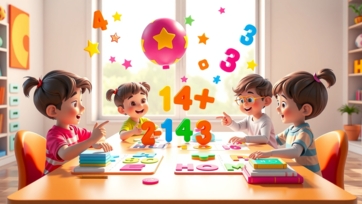
Learning subtraction is an important step in a child’s math journey. Subtraction helps children understand how to take away, compare numbers, and solve simple problems. When taught with playful activities and colorful visuals, subtraction becomes easy and enjoyable for young learners. This guide is designed for preschoolers, kindergarteners, parents, and teachers, making subtraction interactive, hands-on, and fun. Why Subtraction Is Important for Kids: Subtraction helps children: Understand how numbers decrease Develop problem-solving and logical thinking skills Strengthen number sense and counting abilities Prepare for more advanced math concepts Apply math in everyday situations Interactive tools on learn-kids.com make subtraction practice engaging and colorful. Best Age to Start Learning Subtraction: Children aged 4–7 years are ideal for learning subtraction. Beginners should: Start with small numbers (1–10) Use objects, toys, or visuals to understand taking away Repeat exercises regularly for reinforcement Parents can enhance learning with hands-on games, daily practice, and colorful props. Simple Subtraction Examples for Kids: 1. Subtracting Objects: “You have 5 apples and eat 2. How many are left?” Visual: 5 apples – 2 apples = 3 apples 2. Using Fingers: Count fingers and fold them to subtract Example: 7 – 3 = ? 3. Number Line Subtraction: Use a colorful number line to hop backward Example: Start at 6, hop back 2 steps = 4 4. Everyday Subtraction: “You have 4 balloons, and 1 flies away. How many remain?” Teaches real-life application Fun Ways to Teach Subtraction: Interactive Games: Match subtraction problems with objects Hands-On Activities: Use blocks, beads, or toys to visualize subtraction Story Problems: Create mini-stories involving taking away Animated Exercises: Use colorful videos from boobacartoon.com Tips for Parents: Practice 5–10 minutes daily with small numbers Encourage children to say numbers aloud while subtracting Use bright, playful visuals for reinforcement Praise every effort to build confidence Gradually increase difficulty as children master basics Benefits of Learning Subtraction for Kids: Builds number sense and counting skills Develops logical thinking and problem-solving abilities Strengthens memory and attention Boosts confidence in math Makes early math learning interactive and enjoyable Final Thoughts on Subtraction for Kids: Subtraction is a fun and essential skill for young learners. With colorful objects, hands-on practice, interactive games, and playful examples, children can develop strong numerical skills, problem-solving abilities, and a love for math. Resources like learn-kids.com, kidtoys.site, and boobacartoon.com provide interactive tools, toys, and videos to make subtraction learning joyful and effective.
Respect and Kindness Lessons for Kids
How to Build Positive Relationships Teaching respect and kindness to children helps them develop strong social skills, empathy, and a caring attitude. Learning these values early encourages children to treat others politely, share, help, and understand feelings. Through fun activities, stories, and daily practice, kids can develop respect and kindness naturally while enjoying playful learning. This guide shares practical ideas and lessons for teaching these important life skills. Why Respect and Kindness Are Important for Kids: Respect and kindness are essential for social and emotional development. Builds Empathy: Children learn to understand and care about others’ feelings. Improves Communication: Polite and respectful behavior helps children interact positively with friends and family. Encourages Teamwork: Kindness promotes cooperation, sharing, and collaboration in group activities. Develops Confidence and Happiness: Children who practice respect and kindness feel proud, confident, and fulfilled. Educational platforms like learn-kids.com provide creative lessons and activities to nurture respect and kindness in children through fun exercises. Fun Lessons and Activities to Teach Respect and Kindness: 1. Storytelling with Morals: Stories help children understand respect and kindness in real-life situations. Examples: A story about sharing toys with friends An animal tale about helping others in need Cartoon-based stories from boobacartoon.com emphasizing teamwork and empathy Storytelling teaches lessons in a memorable and entertaining way. 2. Role-Playing Games: Role play helps children practice polite behavior and empathy. Ideas: Pretend to be a shopkeeper and a customer, taking turns politely Act out helping a friend who is sad or hurt Role-play family or animal scenarios emphasizing sharing and respect Role-playing makes learning social skills interactive and fun. 3. Compliment and Gratitude Activities: Encouraging appreciation fosters kindness. Ideas: Have children give compliments to siblings or friends Maintain a “gratitude jar” where kids write what they are thankful for Practice saying “please,” “thank you,” and “sorry” regularly These activities reinforce positive communication and empathy. 4. Cooperative Play and Team Activities: Games and group activities teach sharing, patience, and respect. Examples: Building blocks or craft projects together Simple team games indoors or outdoors Completing puzzles or challenges as a group Interactive play teaches children to listen, wait their turn, and respect others’ ideas. 5. Acts of Kindness Challenges: Small, thoughtful actions teach practical kindness. Ideas: Help a friend or sibling with a task Share snacks or toys with others Create handmade cards or gifts for family members Encouraging small acts of kindness helps children develop a caring mindset. 6. Nature and Animal Care Lessons: Respect extends to animals and the environment. Examples: Teach children to feed birds or water plants Learn about animals and their habitats responsibly Pick up litter or maintain a small garden together Outdoor activities combine respect for nature with fun learning experiences. 7. Creative Arts and Crafts for Kindness: Arts and crafts can teach social values creatively. Ideas: Draw or paint scenes showing kindness and cooperation Make friendship bracelets or thank-you cards Illustrate moral stories emphasizing respect and sharing Websites like kidtoys.site offer creative craft ideas that incorporate lessons on empathy and teamwork. Tips for Parents to Encourage Respect and Kindness: Model respectful and kind behavior at home Praise and encourage polite and helpful actions Incorporate daily reminders about empathy and care Use storytelling, games, and activities to reinforce learning Research from universitiesforllm.com highlights that teaching kindness and respect early improves social, emotional, and cognitive development in children. How to Make Respect and Kindness Lessons Fun: Use cartoons and playful characters from boobacartoon.com for inspiration Combine outdoor play with lessons on sharing and cooperation Reward acts of kindness with positive reinforcement or recognition Turn lessons into friendly challenges or team activities Conclusion: Teaching respect and kindness to children helps them grow into empathetic, responsible, and confident individuals. Through stories, role play, cooperative games, creative crafts, and outdoor activities, kids can learn to treat others with care, politeness, and understanding. With resources from learn-kids.com and inspiration from boobacartoon.com, respect and kindness lessons become enjoyable, engaging, and a lasting part of children’s daily lives.