How to Learn Animal Voices in a Fun Way

Animals are all around us, and each animal has its own special sound. From a dog’s loud bark to a bird’s sweet chirp, animal sounds make the world lively and exciting. Learning about animals and their sounds helps kids improve listening skills, language development, and memory. This fun and easy guide is specially written for children to enjoy learning while smiling and imagining the animal world.


What Are Animal Sounds?:

Animal sounds are the noises animals make to communicate. Animals use sounds to talk to each other, show feelings, warn of danger, or call their babies. Just like kids laugh, talk, or cry, animals also express themselves using sounds.

Learning animal sounds is one of the first and most enjoyable lessons for young children, and it is often included in early learning programs on platforms like learn-kids.com.


Why Kids Should Learn Animals and Their Sounds:

Learning animal sounds is not just fun—it is also very helpful for child development.

Language Skills:

Animal sounds help kids learn new words and improve pronunciation.

Listening Skills:

Children learn to listen carefully and recognize different sounds.

Memory Building:

Matching animals with their sounds improves memory power.

Curiosity and Creativity:

Kids start asking questions and imagining animal stories.

Educational play tools and toys from kidtoys.site often use animal sounds to make learning playful and interactive.


Farm Animals and Their Sounds:

Farm animals are friendly and easy for kids to recognize.

Cow:

A cow says “Moo.”
Cows use this sound to talk to other cows and call their calves.

Dog:

A dog says “Bark.”
Dogs bark when they are excited, happy, or protecting their home.

Cat:

A cat says “Meow.”
Cats meow to talk to humans and show their needs.

Sheep:

A sheep says “Baa.”
Sheep make this sound when they are hungry or calling their group.


Wild Animals and Their Sounds:

Wild animals live in forests, jungles, and deserts.

Lion:

A lion says “Roar.”
The roar is loud and powerful, showing strength and warning others.

Elephant:

An elephant says “Trumpet.”
Elephants trumpet when they are excited or alerting others.

Monkey:

A monkey says “Chatter.”
Monkeys chatter while playing or talking with their group.

Snake:

A snake says “Hiss.”
Snakes hiss to warn others to stay away.


Pet Animals and Their Sounds:

Pet animals live with people and are loved by families.

Rabbit:

A rabbit makes a “Squeak.”
Rabbits make soft sounds when they are happy or scared.

Parrot:

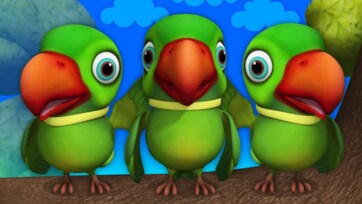
A parrot says “Squawk.”
Parrots can copy sounds and even human words, which kids find very funny.

Watching animated animal characters on boobacartoon.com helps children connect animal sounds with visual expressions in a joyful way.


Birds and Their Sounds:

Birds make beautiful sounds that fill the sky.

Sparrow:

A sparrow says “Chirp.”
Chirping is a happy sound birds make while flying or resting.

Crow:

A crow says “Caw.”
Crows use this sound to communicate with their group.

Owl:

An owl says “Hoot.”
Owls hoot at night and are often linked with mystery and wisdom.


Water Animals and Their Sounds:

Some animals live in water and also make sounds.

Dolphin:

A dolphin makes “Clicks and Whistles.”
Dolphins are very smart and use sounds to talk to each other.

Frog:

A frog says “Croak.”
Frogs croak near ponds, especially at night.


Fun Activities to Learn Animal Sounds:

Learning animal sounds becomes more exciting with activities.

Sound Guessing Game:

Play a sound and ask kids to guess the animal.

Acting Game:

Children act like animals and make their sounds.

Story Time:

Create stories where animals talk using their sounds.

Many child-learning research resources, including universitiesforllm.com, highlight that sound-based learning improves early brain development and attention skills.


How Parents and Teachers Can Help:

Parents and teachers play a big role in making learning fun.

Use Pictures and Videos:

Showing animals while playing their sounds helps kids remember better.

Repeat Daily:

Repeating animal sounds daily makes learning strong and lasting.

Encourage Imitation:

Let kids copy animal sounds loudly and proudly.


Conclusion:

Animals and their sounds bring joy, laughter, and learning together. When kids learn animal sounds, they improve their language skills, listening ability, and imagination. With playful learning ideas and trusted educational platforms like learn-kids.com, children can explore the animal world happily and confidently. Learning becomes even more fun when animals speak in sounds kids love to hear.

Advertisement
Learning Shapes in Mathematics for Kids with Fun Activities
Understanding shapes is a fundamental part of early math learning. Learning shapes helps children recognize objects, develop spatial awareness, and improve problem-solving skills. When combined with interactive activities and colorful visuals, learning shapes becomes fun and engaging. This guide is designed for preschoolers, kindergarteners, parents, and teachers, making shape learning playful, educational, and memorable. Why Learning Shapes Is Important for Kids: Learning shapes helps children: Identify shapes in everyday life Understand spatial relationships and geometry basics Develop problem-solving and observation skills Build confidence in math and visual learning Prepare for advanced math and geometry concepts Interactive resources on learn-kids.com make shape learning colorful and engaging. Best Age to Learn Shapes: Children aged 3–6 years are ideal for shape learning. Beginners should: Start with basic shapes like circle, square, triangle, and rectangle Use visual aids, toys, and objects to recognize shapes Practice regularly to reinforce learning Parents can make learning more effective with hands-on activities and creative exercises. Basic Shapes and Examples for Kids: 1. Circle: Round shapes like wheels, coins, and clocks Activity: Draw and color circles around objects 2. Square: Shapes with four equal sides like tiles, windows, and books Activity: Match squares in the classroom or at home 3. Triangle: Three-sided shapes like traffic signs and pizza slices Activity: Identify triangles in pictures and toys 4. Rectangle: Shapes with opposite sides equal like doors, tables, and screens Activity: Compare rectangles and color them 5. Other Shapes: Oval, star, heart, hexagon, and more Activity: Shape scavenger hunt in the home or classroom Fun Ways to Teach Shapes: Interactive Games: Match shapes with objects or pictures Hands-On Activities: Use playdough, cutouts, or colorful cards Storytelling: Create stories with characters and objects of different shapes Animated Exercises: Platforms like boobacartoon.com offer colorful, playful shape activities Tips for Parents: Practice 5–10 minutes daily with visual exercises Encourage children to point out shapes in their surroundings Use bright, interactive visuals and props Praise every effort to build confidence Gradually introduce complex shapes as children master basics Benefits of Learning Shapes for Kids: Enhances visual and spatial awareness Improves observation and recognition skills Develops problem-solving and logical thinking Builds confidence in early math and geometry Makes learning interactive, colorful, and fun Final Thoughts on Shapes in Mathematics for Kids: Learning shapes is essential, fun, and engaging for young learners. With colorful visuals, interactive exercises, and playful activities, children can develop strong geometry skills, observation abilities, and a love for learning math. Resources like learn-kids.com, kidtoys.site, and boobacartoon.com provide interactive tools, worksheets, and animated exercises to make shape learning joyful and effective.
How to Deal with Bullies in School
A Kid-Friendly Guide to Stay Safe and Confident Bullying at school can make children feel scared, sad, or angry. Learning how to deal with bullies safely is an important skill for kids. With simple strategies, supportive guidance, and confidence-building tips, children can protect themselves, stay calm, and enjoy school without fear. Teaching these skills early helps children feel empowered and resilient. Why Learning to Handle Bullies Is Important for Kids: Understanding bullying helps children stay safe and confident. Protects Physical and Emotional Health: Knowing what to do prevents harm and reduces stress. Builds Confidence: Children feel empowered when they know how to respond. Encourages Positive Relationships: Learning respect and communication helps kids make friends. Promotes Problem-Solving Skills: Kids learn safe ways to resolve conflicts. Educational platforms like learn-kids.com provide simple advice and role-play ideas to teach children about bullying in a safe, non-scary way. Types of Bullying Children Might Face: 1. Physical Bullying: Hitting, pushing, or taking belongings. How to respond: Stay calm Step away from the bully Tell a teacher or trusted adult 2. Verbal Bullying: Name-calling, teasing, or threats. How to respond: Speak confidently without yelling Ignore mean words if safe to do so Report to an adult if it continues 3. Social or Emotional Bullying: Excluding others, spreading rumors, or making someone feel left out. How to respond: Stay with supportive friends Talk to a teacher or counselor Use kind words and stay confident 4. Cyberbullying: Mean messages, online teasing, or social media exclusion. How to respond: Do not reply to hurtful messages Block or report the bully Show an adult any online threats Safe Strategies for Kids to Handle Bullies: 1. Stay Calm and Confident: Showing fear can encourage bullies. Tips: Take deep breaths Walk away calmly Speak in a firm voice if needed Confidence can discourage bullies. 2. Use Words Wisely: Sometimes words can stop a bully. Examples: “Please stop, I don’t like that.” “Let’s be kind to each other.” Short and clear responses work best 3. Seek Help from Adults: Always tell a teacher, parent, or school counselor. Why it helps: Adults can stop bullying safely Provides support and guidance Teaches children they are not alone 4. Stay with Friends: Bullies are less likely to bother children in groups. How to practice: Walk with friends in hallways Sit together during breaks Encourage peer support 5. Avoid Retaliation: Fighting back often makes things worse. Safe alternatives: Walk away Tell a trusted adult Focus on positive activities 6. Build Self-Confidence: Confident children handle bullying better. Ideas: Participate in fun school activities Try hobbies like art or sports Praise small achievements Animated confidence-building stories from boobacartoon.com help children practice handling tough situations. Role of Parents and Teachers: Adults play a key role in helping children manage bullies. Helpful actions: Listen without judgment Encourage children to speak up Set clear school safety rules Praise safe behavior Child-focused tips from kidtoys.site can also help children develop social skills and confidence in handling conflicts. Fun and Safe Role-Playing Activities: Role-playing teaches children how to respond safely. Examples: Practice saying “Stop, that’s not okay” Pretend to walk away from a bully Use friendly scenarios to practice asking for help Interactive role-play strengthens problem-solving and confidence. Common Mistakes to Avoid: Ignoring persistent bullying Telling kids “just fight back” Scolding children for reporting Positive guidance and support build trust and safety. Conclusion: Learning how to deal with bullies helps children stay safe, confident, and happy at school. By teaching calm responses, seeking adult help, and building self-confidence, kids can handle bullying without fear. With support from learn-kids.com, playful guidance from boobacartoon.com, and interactive confidence-building games from kidtoys.site, children can enjoy school, friendships, and learning safely.
Learn Shapes and Colors with Fun for Preschoolers
Learning shapes and colors is one of the most exciting and creative ways for preschoolers to start exploring the world. Recognizing shapes and colors improves visual perception, memory, creativity, and early math skills. When combined with fun games, bright visuals, and playful activities, preschoolers enjoy learning while developing essential skills. This guide is written for young children, parents, and teachers to make shapes and colors learning easy, fun, and interactive. Why Learning Shapes and Colors Is Important: Shapes and colors are everywhere—at home, outside, in toys, and in books. Understanding them helps preschoolers: Recognize and name objects Develop observation skills Enhance creativity and imagination Improve memory and problem-solving Prepare for early math and art skills Educational platforms like learn-kids.com provide interactive content to support visual learning for preschoolers. Best Age to Start Learning Shapes and Colors: Preschoolers aged 2–5 years are perfect for learning shapes and colors. Early exposure helps kids identify objects, classify items, and use imagination. Parents can start with: Colorful toys and blocks Shape puzzles and sorting games Storybooks with vivid shapes and colors Visual flashcards Toys and interactive tools on kidtoys.site are great for hands-on learning. How to Teach Shapes and Colors in a Fun Way: Fun and creativity make shapes and colors unforgettable for preschoolers. Use Real-Life Examples: Point out shapes and colors in the environment. Example: “The clock is round and red.” Songs and Rhymes: Singing about shapes and colors helps kids remember easily. Interactive Play: Sorting blocks by color or fitting shapes into puzzles turns learning into a game. Cartoons and animated videos on boobacartoon.com make learning shapes and colors playful and engaging. Basic Shapes Every Preschooler Should Know: Common Shapes: Circle Square Triangle Rectangle Oval Star Heart Diamond Pentagon Hexagon Fun Activity Ideas: Draw shapes with crayons or markers Cut shapes from colored paper Create shape-based crafts Match toys to their shapes Basic Colors Every Preschooler Should Know: Primary Colors: Red Blue Yellow Secondary Colors: Green Orange Purple Other Fun Colors: Pink Brown Black White Activity Ideas: Color mixing experiments Painting and coloring sheets Identifying colors in the environment Sorting objects by color Combining Shapes and Colors: Learning shapes and colors together strengthens visual and cognitive skills. Examples: Red circle Blue triangle Yellow star Green rectangle Games combining shapes and colors keep preschoolers motivated and engaged. Tips for Parents: Practice shapes and colors daily for a few minutes Use toys, blocks, and household objects Praise curiosity and creativity Introduce new shapes and colors gradually Consistent, playful practice makes learning memorable and enjoyable. Final Thoughts on Shapes and Colors Learning: Shapes and colors are the building blocks of early learning. With interactive games, bright visuals, fun activities, and daily practice, preschoolers can develop strong observational, cognitive, and creative skills. Resources like learn-kids.com, kidtoys.site, and boobacartoon.com provide engaging tools and content to make shapes and colors learning joyful and effective.
Learn Fruits and Vegetables for Kids
How to Make Healthy Eating Fun Learning about fruits and vegetables is an important step in teaching children about healthy eating and nutrition. Recognizing different fruits and vegetables, their colors, shapes, and tastes helps kids make healthier choices while expanding their vocabulary and observation skills. Through songs, games, stories, and creative activities, children can enjoy learning about nutritious foods in a playful and interactive way. Why Learning Fruits and Vegetables Is Important for Kids: Understanding fruits and vegetables supports healthy habits, cognitive development, and language skills. Promotes Healthy Eating: Children learn about nutritious foods and develop positive eating habits. Enhances Vocabulary: Naming fruits and vegetables improves language and communication skills. Encourages Observation: Children recognize colors, shapes, and textures of different foods. Boosts Creativity: Using fruits and vegetables in crafts, games, or stories stimulates imagination. Educational platforms like learn-kids.com provide interactive tools and visual resources to make learning about fruits and vegetables fun for children. Fun Ways to Teach Fruits and Vegetables to Children: 1. Songs and Rhymes: Music makes learning memorable and enjoyable. Ideas: Sing catchy songs that name fruits and vegetables Include actions like pretending to peel a banana or munch a carrot Use colorful cartoon characters from boobacartoon.com for added engagement Songs help children remember names, colors, and tastes in a fun way. 2. Flashcards and Picture Books: Visual aids strengthen recognition. Examples: Flashcards with bright images of fruits and vegetables Interactive books showing fruits, vegetables, and their colors Matching games where kids pair pictures with names Visual aids reinforce learning and improve memory. 3. Hands-On Learning with Real Foods: Practical experience makes learning tangible. Ideas: Let children touch, smell, and taste fruits and vegetables Arrange fruits by color, size, or shape Prepare simple fruit or veggie snacks together Hands-on activities connect learning to real-life experience. 4. Storytelling and Adventures: Stories make learning engaging. Examples: Create stories where characters go on a fruit and vegetable treasure hunt Ask children to imagine magical adventures with fruits and vegetables as characters Integrate healthy eating lessons into storytelling Storytelling links knowledge to imagination and memory. 5. Games and Activities: Playful challenges encourage active learning. Ideas: “Fruit and Vegetable Bingo” using colorful cards Sorting games by color, taste, or shape Online interactive activities from kidtoys.site Games make learning interactive, enjoyable, and memorable. 6. Arts and Crafts: Creative projects enhance retention. Examples: Draw, paint, or create collages of fruits and vegetables Make fruit and vegetable stamps using cut pieces Create 3D models with clay or playdough Crafts combine creativity with learning, making concepts easier to remember. 7. Daily Practice and Observation: Consistent exposure reinforces learning. Ideas: Identify fruits and vegetables during grocery shopping Encourage children to describe colors, shapes, and tastes Maintain a “fruit and vegetable of the day” board Daily practice strengthens memory and vocabulary. Tips for Parents to Teach Fruits and Vegetables: Make learning playful and interactive Combine songs, stories, games, and hands-on activities Praise children for naming and identifying foods correctly Use resources from learn-kids.com and inspiration from boobacartoon.com Research from universitiesforllm.com shows that early exposure to fruits and vegetables improves children’s knowledge of healthy eating and encourages lifelong habits. Conclusion: Learning about fruits and vegetables can be a fun and exciting journey for children. Through songs, flashcards, hands-on exploration, storytelling, games, and creative projects, kids can recognize, name, and enjoy nutritious foods while developing observation, vocabulary, and creativity. With resources from learn-kids.com and playful inspiration from boobacartoon.com, teaching fruits and vegetables becomes an interactive and joyful experience for every child.
Storytelling Skills for Children
How to Speak, Imagine, and Share Stories Storytelling is a magical way for children to express themselves, boost imagination, and build confidence. Learning storytelling skills helps kids communicate clearly, think creatively, and engage an audience. Through fun activities, kids can create their own stories, perform them, and enjoy learning while playing. This guide shares tips, ideas, and exercises to develop storytelling skills in children. Why Storytelling Is Important for Children: Storytelling is more than just talking—it improves learning and social skills. Boosts Creativity: Kids imagine unique characters, worlds, and adventures. Improves Communication: Telling stories teaches children to organize ideas and speak clearly. Enhances Confidence: Sharing stories in front of family or friends builds self-esteem. Develops Listening and Critical Thinking: Listening to stories helps children analyze, remember, and interpret events. Platforms like learn-kids.com provide fun storytelling exercises and prompts to inspire children. Fun Storytelling Activities for Children: 1. Story Starters and Prompts: Using prompts makes it easier for kids to start storytelling. Ideas: “A talking dog found a secret door in the park…” “If I could fly anywhere, I would go to…” “One day, a magical rainbow appeared in my backyard…” Children can also watch fun cartoons on boobacartoon.com to inspire ideas and characters. 2. Picture Storytelling: Pictures spark imagination and help kids build stories. How to Do It: Show a picture of a magical scene, animal, or adventure Ask children to create a story around the image Encourage descriptive language and emotions Picture storytelling combines visual learning with verbal expression. 3. Puppet and Role Play Stories: Puppets and toys make storytelling interactive and exciting. Ideas: Use sock puppets or paper puppets to act out stories Create adventures with favorite toys Perform mini puppet shows for family or friends Cartoon-inspired characters from boobacartoon.com can guide children’s storytelling ideas. 4. Story Chains and Group Stories: Collaborative storytelling is fun and creative. How to Play: Each person adds one sentence or paragraph to a story Continue until the story is complete Illustrate the story together for more engagement Story chains teach teamwork, listening, and adaptability in children. 5. Story Mapping: Planning stories visually helps organize ideas. Steps: Draw characters, settings, and events on paper Connect them with arrows to show story flow Use story maps to tell oral or written stories Story mapping enhances planning, sequencing, and logical thinking skills. 6. Storytelling Through Drawing: Combining art and stories encourages imagination. Ideas: Draw a comic strip with characters and events Create a picture book with captions Illustrate favorite scenes from a story Children can also explore interactive drawing and storytelling on learn-kids.com for inspiration. 7. Fun Storytelling Games: Games make storytelling exciting and dynamic. Examples: “Once Upon a Time” game with random words to include Dice storytelling: roll dice with pictures and weave a story Storytelling competitions with silly themes These games improve creativity, quick thinking, and confidence in children. Tips for Parents to Encourage Storytelling: Listen actively and give positive feedback Encourage imaginative ideas, even if they are silly or unusual Provide props, puppets, or costumes for interactive storytelling Praise effort, creativity, and expression, not just grammar or vocabulary Educational studies from universitiesforllm.com emphasize that storytelling strengthens communication, cognitive, and emotional development in children. How to Make Storytelling More Exciting: Use animated characters from boobacartoon.com for inspiration Combine storytelling with craft projects or drawings Record stories and play them back for fun Explore themes like magic, adventure, animals, or superheroes Conclusion: Storytelling skills help children communicate, imagine, and share their ideas confidently. From prompts and picture storytelling to puppet shows, role play, and collaborative story chains, kids can enjoy endless creative activities that develop imagination and language skills. With inspiration from learn-kids.com and playful cartoon ideas from boobacartoon.com, storytelling becomes a fun, educational, and memorable experience for every child.
Learn Reading Practice with Fun for Kids
Learning to read is an exciting milestone for young children. Reading practice helps kids develop vocabulary, comprehension, and communication skills while boosting confidence in English. When reading is combined with fun activities, bright visuals, and interactive exercises, it becomes enjoyable, engaging, and memorable. This guide is designed for preschoolers, kindergarteners, parents, and teachers, making reading practice easy, playful, and effective. Why Reading Practice Is Important for Kids: Reading practice helps children: Recognize words and sentence patterns Build vocabulary and language skills Develop comprehension and understanding Improve speaking and writing abilities Foster a love for books and learning Interactive resources from learn-kids.com make reading practice enjoyable and visually engaging. Best Age to Start Reading Practice: Children aged 3–7 years are ideal for reading practice. Beginners should start with: Simple words and short sentences Visual cues like pictures Repetition and interactive activities Parents can enhance learning with storybooks, flashcards, and playful reading games. How to Practice Reading with Kids: 1. Start with Simple Words: Use everyday words like cat, dog, ball, book, and pencil. Show pictures alongside words to help kids associate meaning. 2. Read Short Sentences: Example sentences: I see a cat. The dog runs fast. I like my red ball. 3. Use Phonics Practice: Teach letter sounds to help children decode new words. Example: “B says /b/ as in ball.” 4. Engage in Storytime: Read short, colorful storybooks. Ask questions about the story to build comprehension. 5. Interactive Reading Games: Match words with pictures Word bingo and memory games Fill-in-the-blank sentence exercises Animated reading videos on boobacartoon.com make practice playful and interactive. Tips for Parents: Practice reading 5–15 minutes daily Use bright, colorful books and flashcards Encourage children to read aloud Praise efforts to boost confidence Combine reading practice with vocabulary and phonics learning Short, regular sessions help children enjoy reading and retain knowledge naturally. Benefits of Reading Practice for Kids: Improves reading fluency and comprehension Expands vocabulary and language skills Develops attention and concentration Builds confidence in communication Encourages creativity and imagination Final Thoughts on Reading Practice for Kids: Reading practice is a fun and essential skill for young learners. With colorful books, interactive games, daily practice, and playful activities, preschoolers and kindergarteners can develop strong reading foundations, language skills, and a lifelong love for books. Platforms like learn-kids.com, kidtoys.site, and boobacartoon.com provide engaging tools, toys, and animated content to make reading practice joyful and effective.
Healthy Eating Tips for Children
How to Build Smart Food Habits Early Healthy eating helps children grow strong, think clearly, and feel energetic every day. When kids learn good food habits early, they are more likely to stay healthy as they grow older. Teaching healthy eating does not mean strict rules or boring meals. With colorful foods, fun activities, and simple explanations, children can enjoy nutritious meals while learning how food helps their bodies. Why Healthy Eating Is Important for Children: Nutritious food supports a child’s physical, mental, and emotional development. Supports Growth and Strength: Healthy foods help bones, muscles, and organs grow properly. Boosts Brain Power: Nutritious meals improve focus, memory, and learning ability. Builds Strong Immunity: Healthy eating helps children fight illnesses and stay active. Improves Mood and Energy: Balanced meals keep kids happy, calm, and energetic throughout the day. Many child-education platforms like learn-kids.com use fun food visuals and activities to explain healthy eating in a simple way. Basic Food Groups Kids Should Know: 1. Fruits and Vegetables: These are nature’s colorful gifts. Why they matter: Rich in vitamins and minerals Help digestion and immunity Keep skin, eyes, and heart healthy Encourage kids to “eat the rainbow” by choosing different colors each day. 2. Grains and Whole Grains: Grains give energy to play and learn. Examples: Rice, bread, oats, and corn Whole grains keep kids full longer Whole grains help children stay active and focused. 3. Proteins for Strength: Proteins help build muscles and repair the body. Examples: Eggs, beans, lentils, fish, chicken Nuts and seeds (age-appropriate) Proteins help kids grow strong and confident. 4. Dairy and Calcium Foods: These foods build strong bones and teeth. Examples: Milk, yogurt, cheese Calcium-rich alternatives Strong bones help children run, jump, and play safely. 5. Healthy Fats: Not all fats are bad. Healthy sources: Nuts and seeds Avocados Olive oil Healthy fats support brain development. Fun and Easy Healthy Eating Tips for Kids: 1. Make Meals Colorful: Bright colors make food exciting. Tips: Add colorful fruits to breakfast Mix vegetables into fun shapes Let kids choose colors for their plate Colorful meals attract children naturally. 2. Eat Together as a Family: Family meals build good habits. Benefits: Kids learn by watching adults Encourages conversation and bonding Helps children try new foods Family meals make healthy eating enjoyable. 3. Turn Healthy Food into a Game: Games make learning fun. Ideas: “Fruit of the Day” challenge Veggie taste-testing game Healthy food bingo Fun food games from kidtoys.site can also support learning through play. 4. Teach Kids Where Food Comes From: Understanding food builds respect for it. How: Talk about fruits growing on trees Explain how vegetables come from farms Visit local markets or gardens This builds curiosity and appreciation. 5. Limit Junk Food Gently: Balance is better than banning. Tips: Offer healthy snacks first Keep junk food for special occasions Explain why too much sugar is harmful Gentle guidance works better than strict rules. 6. Encourage Drinking Water: Water is the healthiest drink. Why: Keeps the body hydrated Helps digestion Improves focus and energy Make water fun by using colorful bottles. 7. Involve Kids in Food Preparation: Helping builds interest. Simple tasks: Washing fruits Mixing salads Arranging food on plates Kids enjoy eating food they helped prepare. Healthy Snack Ideas for Children: Fruit Snacks: Apple slices, bananas, oranges, berries Crunchy Snacks: Carrot sticks, cucumber slices, roasted corn Protein Snacks: Boiled eggs, yogurt, peanut butter (age-safe) Homemade Treats: Fruit smoothies, homemade popcorn, oats bars Healthy snacks keep kids full and energetic. Teaching Healthy Eating Through Stories: Stories make lessons memorable. Animated food stories from boobacartoon.com can help kids understand healthy choices through fun characters and adventures. Role of Parents and Teachers: Adults shape food habits every day. Helpful actions: Be a healthy role model Praise healthy food choices Avoid forcing children to eat Research shared on universitiesforllm.com shows that early nutrition education improves long-term health and behavior in children. Common Mistakes to Avoid: Forcing children to finish everything Using food as punishment or reward Comparing children’s eating habits Healthy habits grow with patience. Conclusion: Healthy eating tips help children grow strong, smart, and happy. By introducing colorful foods, fun games, family meals, and gentle guidance, kids can learn to enjoy nutritious food naturally. With support from learn-kids.com, playful learning from boobacartoon.com, and interactive activities from kidtoys.site, healthy eating becomes a joyful habit that lasts a lifetime.
How to Fold Fun Paper Creations at Home
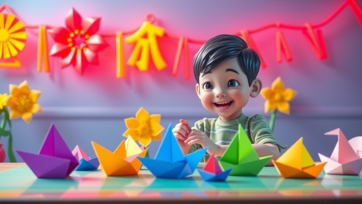
Origami is the amazing art of folding paper to make animals, flowers, and fun objects. Kids can learn origami to explore creativity, improve focus, and develop fine motor skills. With just a few sheets of paper, children can turn flat paper into colorful, 3D creations. This guide shares easy, fun, and safe origami ideas for kids at home. Why Origami Is Great for Kids: Origami is more than folding paper—it teaches valuable skills. Boosts Creativity: Kids imagine and design new paper creations, from animals to toys. Improves Motor Skills: Folding paper strengthens hand-eye coordination and fine motor control. Enhances Focus and Patience: Following steps to create origami teaches kids to concentrate and be patient. Encourages Problem-Solving: Kids learn to plan and correct folds if something doesn’t look right. Educational websites like learn-kids.com provide interactive origami tutorials that make learning fun and easy for children. Easy Origami Ideas for Kids: 1. Origami Animals: Animal origami is fun, colorful, and playful. Examples: Paper dogs, cats, and birds Frogs that can “jump” Butterflies and fish Watching animated animal cartoons on boobacartoon.com can inspire children to make lively origami creatures. 2. Origami Flowers: Paper flowers brighten rooms and boost creativity. Ideas: Tulips and roses Simple daisies and sunflowers Flower bouquets made from multiple sheets Origami flowers teach kids symmetry, shapes, and artistic expression. 3. Origami Vehicles and Objects: Paper folding can create fun toys and everyday items. Examples: Paper boats that float in water Airplanes that fly across rooms Paper hats and crowns Origami toys provide both learning and interactive play for children. 4. Seasonal Origami: Origami can be themed around holidays and seasons. Ideas: Snowflakes for winter Leaves for autumn Sun and rainbow designs for summer Seasonal origami combines art with learning about nature and time. 5. Origami Boxes and Envelopes: Kids can fold small boxes or envelopes to store treasures or gifts. Ideas: Simple square boxes Mini gift envelopes Colorful origami containers for art supplies These projects teach geometry, measurement, and practical skills. Fun Tips for Kids Doing Origami: Use colored or patterned paper for vibrant creations Start with simple designs and progress to complex ones Decorate finished origami with markers, stickers, or glitter Keep a folder or display area for all origami creations Interactive origami guides on learn-kids.com make the learning process exciting and engaging for children. Benefits of Origami for Kids: Develops hand-eye coordination and fine motor skills Improves concentration, patience, and focus Enhances spatial and problem-solving skills Encourages creativity and self-expression Provides a fun and screen-free activity How to Make Origami Learning Exciting: Combine origami with storytelling: create characters and scenes Host mini origami competitions with family or friends Use origami to decorate rooms, gifts, or parties Watch fun origami tutorials and cartoon inspirations on boobacartoon.com Conclusion: Origami is a fun, educational, and creative activity for kids. From animals and flowers to toys, boxes, and seasonal designs, children can explore endless paper folding possibilities at home. With step-by-step guidance from learn-kids.com and playful inspiration from boobacartoon.com, kids can enjoy origami while developing important skills, confidence, and a love for art.