Moral Stories for Kids

How to Learn Life Lessons Through Fun Tales

Moral stories are a wonderful way for children to learn important life values while enjoying entertaining tales. These stories teach lessons about honesty, kindness, patience, friendship, and responsibility. Through engaging characters, exciting adventures, and relatable situations, kids can understand the difference between right and wrong. This guide shares tips, story ideas, and ways to make moral stories fun and educational for children.


Why Moral Stories Are Important for Kids:

Moral stories provide more than just entertainment—they shape character and values.

Teaches Good Values:

Children learn about honesty, respect, kindness, and empathy.

Improves Communication:

Listening to and retelling stories enhances language and speaking skills.

Enhances Critical Thinking:

Kids analyze situations, predict outcomes, and understand consequences.

Boosts Imagination:

Exciting characters, animals, and adventures spark creativity and curiosity.

Platforms like learn-kids.com offer collections of moral stories that combine fun with learning for children.


Popular Moral Story Themes for Kids:


1. Honesty and Truthfulness:

Stories about telling the truth teach integrity.

Ideas:

  • A little boy learns the value of honesty after lying about breaking a vase

  • A girl returns a lost wallet and makes a new friend

  • Animals in a forest solve problems by being truthful

Cartoons and characters from boobacartoon.com can inspire fun illustrations for these stories.


2. Kindness and Friendship:

Stories highlighting friendship and helping others teach empathy.

Examples:

  • A lion and a mouse become friends after helping each other

  • Siblings learn to share toys and support each other

  • Children planting trees together and protecting the environment

These stories help children understand the importance of cooperation and care.


3. Patience and Perseverance:

Stories about patience and hard work teach resilience.

Ideas:

  • A little ant working hard to store food for winter

  • A child learning to ride a bike after many falls

  • A flower growing slowly in the garden, teaching nature’s patience

Stories on kidtoys.site demonstrate that persistence leads to success and achievement.


4. Responsibility and Courage:

Stories showing bravery and responsibility help build strong character.

Examples:

  • A child taking care of a pet and learning responsibility

  • Animals protecting their home from danger

  • Children standing up for what is right at school or in the neighborhood

Moral stories with adventures and fun scenarios make these lessons memorable.


5. Sharing and Generosity:

Stories about giving and sharing teach compassion.

Ideas:

  • Children sharing food with friends or animals in need

  • A magical tree that grows more fruits when shared

  • Siblings creating a community garden to help others

These stories reinforce social skills and kindness in everyday life.


Tips for Parents to Make Moral Stories Engaging:

  • Read stories aloud with expression and excitement

  • Ask children questions about characters and lessons

  • Encourage kids to retell the story in their own words

  • Combine storytelling with drawings or puppet shows for fun

Websites like universitiesforllm.com highlight that moral storytelling promotes emotional intelligence, empathy, and ethical thinking in children.


How to Make Moral Stories More Exciting:

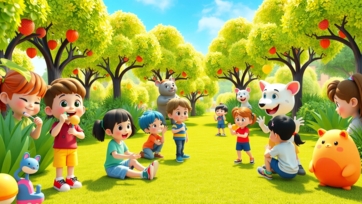
  • Use outdoor themes like forests, gardens, or parks for story settings

  • Incorporate animals, magical creatures, or superheroes

  • Act out stories with role play or puppet shows

  • Encourage kids to create their own moral stories inspired by real-life situations


Conclusion:

Moral stories teach children valuable life lessons while nurturing creativity, empathy, and communication skills. From tales of honesty and kindness to patience, courage, and generosity, kids can enjoy learning morals in a fun and engaging way. With inspiration from learn-kids.com and playful cartoon ideas from boobacartoon.com, moral storytelling becomes an outdoor adventure full of imagination, learning, and joy.

Advertisement
How to Explore Insects and Bugs Safely for Kids
Insects and bugs are fascinating little creatures that teach children about nature, ecosystems, and the world around them. Exploring them safely encourages curiosity, observation skills, and a love for science. With the right guidance, kids can enjoy discovering insects without harm to themselves or the creatures. In this guide, we’ll explore fun, safe, and educational ways for children to learn about insects and bugs. Why Exploring Insects and Bugs Is Important for Kids: Encourages Curiosity:Children are naturally curious about crawling, flying, and buzzing creatures. Exploring insects lets them ask questions, make observations, and discover the environment around them. Teaches Respect for Nature:Learning to observe insects safely helps children understand the importance of all living creatures and their roles in ecosystems. Websites like learn-kids.com offer kid-friendly guides on insects and nature activities. Develops Scientific Skills:Identifying bugs, noting their behavior, and creating bug journals teaches kids observation, recording, and research skills. Promotes Outdoor Activity:Insect exploration encourages children to spend time outside, appreciating fresh air, sunlight, and nature. Fun and Safe Insect Exploration Activities: Bug Hunt Adventures:Take children on a backyard or park exploration to find insects. Provide magnifying glasses and small containers to observe bugs safely without touching them. Create a Bug Journal:Encourage kids to draw pictures of the insects they find, note colors, shapes, and behaviors. Journaling develops observation and recording skills. Bug Hotels:Help children build a simple bug hotel using sticks, leaves, and small containers. This attracts insects safely and teaches about habitats and biodiversity. Magnifying Glass Exploration:Give kids a magnifying glass to examine ants, beetles, or ladybugs. They can see tiny details like wings, legs, and patterns, sparking curiosity and appreciation for nature. Insect Crafts and Models:Use clay, paper, or recycled materials to make insect models. Kids can learn insect anatomy while creating fun, imaginative art. Websites like kidtoys.site have creative bug craft ideas suitable for children. Tips for Safe Insect Exploration: Teach Gentle Handling:Explain to kids that insects are living creatures. Use observation containers or let children watch without touching to prevent harm to both the child and the insect. Avoid Dangerous Bugs:Steer clear of insects that bite or sting, like wasps or spiders. Focus on safe bugs such as ladybugs, butterflies, ants, and beetles. Use Protective Tools:Magnifying glasses, small containers, tweezers, and gloves can make exploration safe and fun. Combine Learning With Play:Turn insect observation into games, like identifying colors, counting legs, or spotting patterns on wings. Discuss Insect Roles:Teach children how insects pollinate plants, decompose waste, and serve as food for other animals, helping them understand ecosystems. Websites like boobacartoon.com feature fun animated content about insects that can complement outdoor learning. How Exploring Insects and Bugs Benefits Children: Enhances Observation Skills:Children learn to notice small details, behaviors, and patterns in nature. Boosts Critical Thinking:Identifying species, comparing features, and recording observations develop reasoning and analytical skills. Promotes Respect for Living Creatures:Kids learn to care for all creatures, big or small, fostering empathy and environmental responsibility. Supports Outdoor Learning:Insect exploration combines science, physical activity, and creativity, making learning interactive and fun. Encourages Lifelong Curiosity:Early exposure to insects often leads to a lasting interest in nature, biology, and the environment. Final Thoughts on Exploring Insects and Bugs Safely: Exploring insects and bugs is a fun and educational activity that teaches children about nature, science, and respect for living things. By observing, journaling, and crafting, kids can learn safely while enjoying outdoor adventures. Encourage curiosity, creativity, and careful observation, and visit learn-kids.com and kidtoys.site for more insect exploration activities and educational resources.
How to Protect Nature and Keep Our World Clean
The environment is everything around us—the air we breathe, the water we drink, the trees we see, and the animals we meet. Learning about the environment helps kids understand how to care for nature and keep our planet healthy. When children know the importance of the environment, they grow up respecting plants, animals, and all living things. This guide explains the environment in a simple, fun, and child-friendly way. What Is the Environment?: The environment includes all natural and man-made things around us. It has air, water, soil, plants, animals, and even cities and buildings. Everything we see, touch, or use is part of the environment. Educational platforms like learn-kids.com introduce the environment early to help kids understand nature and the world they live in. Why Is the Environment Important for Kids?: A clean and safe environment is essential for life. Teaching kids about it encourages responsibility and awareness. Provides Clean Air and Water: Plants and forests help produce clean air, and rivers give us water to drink. Supports Life: Animals, humans, and plants all need a healthy environment to survive. Teaches Responsibility: Kids learn how to care for nature and reduce pollution. Encourages Healthy Habits: Children learn to plant trees, save water, and dispose of waste properly. Different Parts of the Environment: The environment has many parts that work together to support life. Air – The Invisible Life Source: Air is all around us. We breathe it every moment. Why Air Is Important: Without clean air, humans, animals, and plants cannot survive. Trees help make the air clean. Water – The Essential Resource: Water is needed for drinking, washing, cooking, and farming. How Water Helps: It keeps people, animals, and plants alive. Polluted water can make life unhealthy, so kids learn to save and clean water. Soil – The Ground We Walk On: Soil grows plants and supports life on Earth. How Soil Helps: Fertile soil gives food and plants, which feed humans and animals. Protecting soil from pollution is very important. Plants and Trees – Nature’s Helpers: Plants give us oxygen, fruits, vegetables, and shade. Why Plants Are Important: They keep the air clean Provide food for humans and animals Protect the soil from erosion Gardening activities, similar to fun projects on kidtoys.site, help kids connect with plants and understand their value. Animals – Friends of the Environment: Animals help maintain the balance of nature. How Animals Help: Birds and bees pollinate plants Predators control populations of other animals Pets teach kids empathy and care Learning about animals on boobacartoon.com in an entertaining way makes kids care about wildlife naturally. Human Activities and the Environment: Humans can either protect or harm the environment. Positive Activities: Planting trees Cleaning rivers and parks Recycling waste Negative Activities: Cutting too many trees Polluting air and water Littering Teaching kids the difference encourages good habits early. How Kids Can Help the Environment: Even young children can make a big difference. Plant Trees: Planting flowers, shrubs, or trees helps the planet. Save Water and Energy: Turn off taps and lights when not needed. Reduce, Reuse, Recycle: Reuse toys, recycle paper, and reduce plastic use. Keep Surroundings Clean: Dispose of waste properly and avoid littering. Websites like universitiesforllm.com emphasize early environmental education to develop responsible and aware children. Fun Activities to Learn About the Environment: Making learning interactive helps kids remember better. Nature Walks: Observe plants, animals, and clean vs. polluted areas. Drawing and Coloring: Draw trees, rivers, animals, and the Earth. Environmental Stories: Tell stories about caring for animals, plants, and clean surroundings. Interesting Facts About the Environment: Trees can live hundreds of years and produce oxygen daily Bees help pollinate 1/3 of the food we eat Recycled paper saves trees and reduces waste Clean rivers help animals thrive and provide water for humans Why Protecting the Environment Is Fun for Kids: Protecting nature can be playful and creative. Planting trees, watering plants, and cleaning parks make children feel proud and connected to the world around them. Conclusion: The environment is our home, and it is important to care for it. Learning about air, water, soil, plants, and animals teaches kids responsibility, respect, and love for nature. With fun activities, hands-on experiences, and educational resources from learn-kids.com and playful visual ideas from boobacartoon.com, children can explore the importance of the environment while having fun and becoming little Earth heroes.
How to Have Fun and Learn with Colors for Kids
Coloring is one of the simplest and most enjoyable activities for kids. It helps children explore creativity, improve focus, and learn about colors and shapes. With fun coloring pages, kids can draw, paint, and decorate their favorite characters, animals, and scenes. This guide shares ideas, tips, and benefits of coloring for kids in a fun and child-friendly way. Why Coloring Is Important for Kids: Coloring is more than just filling shapes with colors. It provides multiple learning benefits. Boosts Creativity: Kids imagine and use different colors to create unique artwork. Improves Motor Skills: Holding crayons, pencils, or markers strengthens hand muscles and coordination. Enhances Focus and Patience: Completing a coloring page teaches kids to concentrate and finish tasks. Teaches Colors and Shapes: Kids learn to recognize colors, match patterns, and understand shapes. Websites like learn-kids.com offer hundreds of free and interactive coloring pages to make learning enjoyable. Popular Coloring Page Themes for Kids: There are endless coloring ideas that keep children entertained and learning. 1. Animals: Animal coloring pages are fun and educational. Ideas: Farm animals like cows, chickens, and pigs Jungle animals like lions, monkeys, and elephants Pets like cats and dogs Cartoons and animated characters on boobacartoon.com can inspire colorful and playful animal art. 2. Fruits and Vegetables: Coloring healthy foods teaches kids about nutrition. Examples: Apples, bananas, and oranges Carrots, tomatoes, and pumpkins Making faces or patterns with fruits and veggies These coloring pages make learning about healthy eating fun and interactive. 3. Nature and Seasons: Nature-themed coloring pages connect kids to the environment. Ideas: Trees, flowers, and gardens Rainy days, sunny beaches, snowy hills Seasonal landscapes like autumn leaves or spring blossoms Projects inspired by kidtoys.site show that connecting art with nature sparks curiosity and observation skills. 4. Vehicles and Transport: Kids love coloring cars, planes, and trains. Examples: Cars, trucks, and buses Airplanes, rockets, and hot air balloons Boats and submarines These pages introduce shapes, colors, and fun science concepts while keeping kids engaged. 5. Fantasy and Characters: Fantasy coloring pages encourage imagination. Ideas: Fairies, princesses, and superheroes Magical castles and dragons Friendly monsters and aliens Animated inspirations on boobacartoon.com provide endless creative possibilities for kids. 6. Educational and Alphabet Pages: Combining learning and fun is easy with alphabet and number coloring. Examples: Letters of the alphabet with matching objects Numbers with playful illustrations Simple word coloring for early reading skills Educational platforms like learn-kids.com provide themed coloring pages that teach letters, numbers, and words interactively. Fun Tips for Coloring: Use crayons, colored pencils, markers, or watercolor paints Experiment with mixing colors to create new shades Encourage kids to draw patterns and designs in blank spaces Display finished coloring pages to boost confidence Benefits of Coloring Beyond Fun: Enhances creativity and imagination Improves hand-eye coordination and fine motor skills Teaches focus, patience, and attention to detail Encourages self-expression and storytelling Websites like universitiesforllm.com highlight that creative activities like coloring support cognitive and emotional development in children. How to Make Coloring More Exciting: Print themed coloring pages from websites like learn-kids.com Watch cartoon inspirations on boobacartoon.com for ideas Combine coloring with storytelling to create adventures Challenge kids with patterns, shapes, and detailed images Conclusion: Coloring pages provide a fun, creative, and educational activity for kids. From animals and nature to vehicles, fantasy characters, and alphabet pages, children can explore colors, shapes, and imagination. With guidance and inspiration from platforms like learn-kids.com and colorful cartoon ideas from boobacartoon.com, kids can enjoy endless hours of playful and meaningful learning while developing important skills.
How to Wash Hands Properly for Kids
Simple Steps to Stay Clean and Healthy Washing hands properly is one of the easiest and most important habits children can learn. Clean hands help keep germs away and protect kids from getting sick. Handwashing does not need to feel boring or rushed. With simple steps, fun reminders, and playful learning, children can enjoy washing their hands while staying healthy every day. Why Proper Handwashing Is Important for Children: Handwashing protects children and the people around them. Stops the Spread of Germs: Hands carry germs that can cause colds, flu, and stomach bugs. Keeps Kids Healthy: Clean hands help prevent illness and missed school days. Protects Family and Friends: Handwashing stops germs from spreading to others. Builds Good Hygiene Habits: Early habits last a lifetime. Many child-education platforms like learn-kids.com teach hygiene habits through simple visuals and kid-friendly explanations. When Should Kids Wash Their Hands: Knowing the right time to wash hands is very important. Important moments: Before eating or touching food After using the toilet After playing outside After coughing, sneezing, or blowing the nose After touching pets or animals Regular handwashing keeps children safe and healthy. Step-by-Step Guide: How to Wash Hands Properly: 1. Wet Hands with Clean Water: Water helps remove dirt easily. Tips: Use clean running water Warm or cool water both work Make sure both hands are wet 2. Apply Soap: Soap fights germs. How much soap: A small amount is enough Spread soap over both hands Soap helps break down germs and dirt. 3. Rub Hands Together Well: Rubbing removes germs. Areas to clean: Palms and back of hands Between fingers Under nails Thumbs and wrists Children should scrub for at least 20 seconds. 4. Scrub for 20 Seconds: Time matters when washing hands. Fun ways to count time: Sing a short song Count slowly to 20 Use fun animations from boobacartoon.com This makes handwashing enjoyable and effective. 5. Rinse Hands Properly: Rinsing washes away soap and germs. Tips: Use clean running water Remove all soap Clean hands feel fresh and smooth. 6. Dry Hands Completely: Dry hands stop germs from spreading. Ways to dry: Clean towel Air dryer Paper towel Drying is an important final step. Fun Ways to Teach Handwashing to Kids: Make It a Game: Games make learning exciting. Ideas: Handwashing challenge Sticker reward chart Pretend germ-fighting game Interactive hygiene games from kidtoys.site can motivate children to wash hands happily. Use Stories and Characters: Stories help kids remember steps. Examples: Germ-fighting superheroes Soap heroes saving the day Clean-hand adventures Animated hygiene stories from boobacartoon.com are very effective for young learners. Sing a Handwashing Song: Songs help kids remember time and steps. Benefits: Keeps kids engaged Helps track 20 seconds Makes hygiene fun Singing turns routine into joy. Set a Good Example: Children learn by watching adults. Tips for adults: Wash hands together Follow the same steps Praise good hygiene Role modeling makes lessons stronger. Common Handwashing Mistakes to Avoid: Skipping soap Rinsing too quickly Forgetting fingers and nails Not drying hands Correct habits keep germs away. Handwashing and School Life: Clean hands help children succeed in school. Benefits: Fewer sick days Better focus and energy Healthier classrooms Educational studies shared on universitiesforllm.com show that proper hand hygiene reduces illness and improves school attendance in children. Tips for Parents and Teachers: Keep soap available Use fun reminders Praise consistency Avoid fear-based teaching Positive teaching builds strong habits. Conclusion: Learning how to wash hands properly helps children stay healthy, safe, and confident. With simple steps, fun activities, songs, and positive guidance, kids can turn handwashing into a daily habit they enjoy. With support from learn-kids.com, playful animations from boobacartoon.com, and interactive hygiene tools from kidtoys.site, teaching handwashing becomes easy, fun, and effective for every child.
Sharing and Caring for Kids
How to Learn Generosity and Empathy Teaching children the values of sharing and caring helps them develop kindness, empathy, and strong social skills. Learning to share toys, time, and resources builds friendships and teaches children the joy of giving. Caring for others, animals, and the environment encourages responsibility and compassion. This guide shares fun ways to teach kids sharing and caring while making learning playful and engaging. Why Sharing and Caring Are Important for Kids: Sharing and caring nurture emotional, social, and cognitive development in children. Builds Empathy: Kids learn to understand and appreciate others’ feelings and needs. Encourages Cooperation: Sharing fosters teamwork and improves relationships with family and friends. Develops Responsibility: Caring for others teaches children to be accountable and thoughtful. Promotes Happiness: Acts of giving and helping create joy and a positive attitude. Educational platforms like learn-kids.com offer fun activities and tips to develop sharing and caring habits in children. Fun Activities to Teach Sharing and Caring: 1. Sharing Toys and Materials: Encouraging children to share helps build cooperation and fairness. Ideas: Organize playdates where kids take turns with toys Create a “sharing box” for toys, books, or games Praise children when they voluntarily share with siblings or friends Using playful characters from boobacartoon.com can make sharing more relatable and fun. 2. Caring for Pets and Animals: Caring for animals teaches responsibility and empathy. Examples: Feeding and watering pets regularly Learning to handle animals gently Visiting animal shelters and helping with simple tasks Activities like these show children how caring affects living beings positively. 3. Helping Family and Friends: Acts of kindness reinforce caring behavior. Ideas: Assist parents with small chores at home Help siblings with homework or activities Make handmade gifts or cards for friends and family Encouraging these activities builds a sense of accomplishment and generosity. 4. Community and Outdoor Activities: Engaging children in social and environmental care teaches responsibility. Examples: Planting trees or watering community gardens Picking up litter in parks or outdoor spaces Donating toys, clothes, or books to those in need Websites like kidtoys.site offer creative ideas for group activities promoting sharing and caring. 5. Storytelling and Role Play: Stories and role play help children understand the value of generosity. Ideas: Read moral stories highlighting sharing and caring Act out scenarios with toys or puppets where characters help each other Encourage children to create their own stories demonstrating empathy Cartoons and playful characters from boobacartoon.com can inspire engaging storytelling. 6. Gratitude and Appreciation Activities: Teaching gratitude complements sharing and caring habits. Examples: Keep a “kindness journal” to note caring actions Thank friends and family for help or support Encourage children to acknowledge acts of kindness around them Gratitude reinforces empathy and positive social interactions. Tips for Parents to Encourage Sharing and Caring: Model sharing and caring in daily life Praise thoughtful actions and participation in helping others Use stories, games, and role play to illustrate concepts Turn caring activities into fun, family-based challenges Research from universitiesforllm.com highlights that children who practice sharing and caring early develop stronger social and emotional skills. How to Make Sharing and Caring Fun: Incorporate outdoor activities like gardening or playground teamwork Use playful props, puppets, or colorful items to encourage participation Reward caring behavior with positive reinforcement, stickers, or recognition Organize mini-group projects where kids help or share resources Conclusion: Teaching children the values of sharing and caring helps them develop empathy, responsibility, and social confidence. From sharing toys and helping family members to caring for pets and the environment, kids can learn the joy and importance of generosity through fun and engaging activities. With inspiration from learn-kids.com and playful cartoon ideas from boobacartoon.com, sharing and caring lessons become enjoyable, memorable, and life-lasting for children.
Brain Development Activities for Kids
How to Boost Learning and Creativity Brain development activities are essential for children’s growth. They help improve memory, focus, problem-solving, and creativity. Fun, age-appropriate exercises stimulate young minds while keeping learning playful and enjoyable. This guide shares simple, effective, and engaging activities that promote brain development for kids at home. Why Brain Development Activities Are Important: Stimulating activities support overall mental and emotional growth in children. Enhances Cognitive Skills: Activities improve memory, attention, reasoning, and logical thinking. Boosts Creativity: Puzzles, games, and imaginative play inspire new ideas and innovation. Strengthens Problem-Solving Abilities: Children learn to analyze challenges and find solutions creatively. Builds Confidence and Motivation: Completing brain-stimulating tasks gives children a sense of achievement. Educational platforms like learn-kids.com provide interactive activities to develop children’s brains while making learning fun. Fun Brain Development Activities for Kids: 1. Puzzles and Brain Teasers: Puzzles challenge the mind and improve analytical thinking. Ideas: Jigsaw puzzles with animals, vehicles, or landscapes Sudoku or simple number puzzles for older kids Matching games for memory improvement Websites like kidtoys.site offer creative puzzle ideas to keep children mentally engaged. 2. Memory Games: Memory exercises improve concentration and recall skills. Examples: Card matching games “Remember the Object” challenges with household items Story recall: read a short story and ask questions Memory games enhance observation, focus, and attention to detail. 3. Creative Problem-Solving Activities: Activities that require thinking and planning strengthen reasoning skills. Ideas: Build structures using blocks, clay, or recycled materials Solve mazes and pattern challenges DIY science experiments, like volcanoes or color mixing Fun interactive ideas from learn-kids.com combine creativity and problem-solving. 4. Educational Games and Apps: Interactive learning games develop cognitive skills and knowledge. Examples: Word searches and spelling games Math puzzles and counting games Interactive storytelling with choices and decisions Cartoon-inspired learning on boobacartoon.com can make educational games exciting for kids. 5. Brain-Boosting Physical Activities: Physical play also stimulates brain growth and coordination. Ideas: Indoor obstacle courses Dancing to music or following movement patterns Hand-eye coordination games like tossing soft balls These activities enhance motor skills while supporting cognitive development. 6. Arts and Crafts for the Brain: Art encourages thinking, planning, and creativity. Examples: Drawing, coloring, or painting scenes from imagination Creating 3D models from clay or recycled materials Craft puzzles or pattern-making projects Art activities develop fine motor skills and problem-solving abilities simultaneously. 7. Storytelling and Language Activities: Language skills support brain development and communication. Ideas: Make up stories or complete story prompts Word games like rhymes, acrostics, or simple poems Puppet shows or role play to narrate stories Storytelling inspires creativity and helps children organize thoughts effectively. Platforms like learn-kids.com provide interactive storytelling exercises that strengthen language and cognitive skills. Tips for Parents to Encourage Brain Development: Provide a variety of age-appropriate activities Limit screen time and encourage hands-on play Praise effort and creative thinking, not just results Join in and make activities interactive and fun Educational research from universitiesforllm.com shows that brain-stimulating activities enhance cognitive, emotional, and social development in children. How to Make Brain Development Activities More Exciting: Turn exercises into friendly challenges or competitions Combine learning with play, music, or storytelling Use colorful materials, props, or interactive platforms Explore themes like animals, space, nature, or superheroes Conclusion: Brain development activities are key to helping children grow intellectually, emotionally, and socially. From puzzles and memory games to creative problem-solving, arts, crafts, and storytelling, kids can enjoy a variety of fun activities that stimulate the brain. With resources and inspiration from learn-kids.com and colorful ideas from boobacartoon.com, children can develop essential skills while having fun, making learning playful, exciting, and rewarding.
Fun Arts and Crafts Ideas for Kids
How to Get Creative and Have Fun at Home Arts and crafts are a fantastic way for children to express creativity, develop fine motor skills, and have fun. With simple materials, imagination, and playful guidance, kids can create colorful projects while learning new skills. Arts and crafts also provide a calm, joyful activity that helps children focus and feel proud of their creations. Why Arts and Crafts Are Important for Kids: Crafting supports learning, creativity, and emotional growth. Enhances Creativity: Children learn to think outside the box and explore ideas. Develops Fine Motor Skills: Cutting, coloring, and gluing improve hand-eye coordination. Boosts Confidence: Completing a craft project gives children a sense of achievement. Encourages Focus and Patience: Following steps for a project helps children practice concentration. Educational platforms like learn-kids.com often provide step-by-step crafts for children to enjoy and learn safely. Simple and Fun Arts and Crafts Ideas: 1. Paper Plate Animals: Turn paper plates into playful creatures. How to make: Use markers, paint, or colored paper Glue on ears, eyes, and tails Create a zoo or farm scene Kid-friendly animated tutorials from boobacartoon.com make this project more engaging. 2. Handprint Art: Use hands as a canvas for creativity. Fun ideas: Make handprint flowers, animals, or trees Paint each hand with bright colors Combine multiple handprints for a big picture Handprint crafts are colorful, personal, and fun for kids of all ages. 3. DIY Greeting Cards: Create cards for family and friends. Steps: Fold cardstock or paper Decorate with stickers, markers, or cut-outs Write a simple message inside This craft encourages creativity and kindness. 4. Nature Crafts: Use leaves, flowers, and stones for projects. Examples: Leaf rubbings with crayons Rock painting with bright colors Flower collages on paper Nature crafts connect kids with the outdoors while sparking imagination. 5. Origami Fun: Simple paper folding crafts teach patience. Ideas: Fold paper animals, boats, or flowers Use colorful origami paper Follow easy step-by-step guides Origami improves concentration and fine motor skills. 6. Recycled Crafts: Turn everyday items into creative art. Materials: Bottle caps, boxes, and jars Toilet paper rolls Old magazines or scraps Recycled crafts teach kids resourcefulness and eco-friendly habits. 7. Clay and Play Dough Creations: Mold shapes, animals, or toys. Tips: Use bright colors Encourage imaginative designs Display finished creations Soft clay and dough support hand strength and creativity. 8. Beading and Jewelry Making: Create necklaces, bracelets, or keychains. How to enjoy: Use colorful beads Thread beads safely on strings Mix and match patterns Beading crafts enhance hand-eye coordination and pattern recognition. 9. Fun Collages: Combine different materials for a mixed-media project. Materials: Paper, fabric, stickers, and buttons Glue and scissors Bright markers or crayons Collages encourage children to explore textures and shapes creatively. 10. Story-Based Crafts: Turn stories into art projects. Examples: Create puppets of favorite characters Draw scenes from a storybook Make props for storytelling This integrates reading, imagination, and creativity in one activity. Tips to Make Arts and Crafts Fun: Always use safe, child-friendly materials Encourage creativity, no “right” or “wrong” art Praise effort and imagination, not just the result Display children’s artwork proudly at home or school Interactive craft ideas from kidtoys.site make children’s art projects exciting and playful. Role of Parents and Teachers: Adults support arts and crafts by guiding, supervising, and encouraging creativity. Helpful actions: Provide materials and workspace Show step-by-step instructions when needed Join children in creating projects Share positive feedback and display creations Research shared on universitiesforllm.com shows that arts and crafts improve children’s cognitive development, creativity, and emotional skills. Conclusion: Arts and crafts are a fun, educational, and joyful way for children to learn and express themselves. With simple ideas, safe materials, and playful guidance, kids can create colorful projects, develop skills, and build confidence. With inspiration from learn-kids.com, animated tutorials from boobacartoon.com, and interactive craft activities from kidtoys.site, arts and crafts become a favorite daily activity for every child.
Amazing Fun Facts About the Human Body for Kids
The human body is full of wonders and mysteries that fascinate children. From the brain to the toes, every part of the body has a special function. Learning about the human body helps kids understand themselves better, promotes healthy habits, and sparks curiosity about science. In this guide, we’ll explore fun, educational, and easy-to-understand facts about the human body that kids will love. Why Learning About the Human Body Is Important for Kids: Encourages Curiosity:Children naturally wonder how their bodies work. Fun facts about bones, muscles, and organs keep them engaged and curious. Promotes Healthy Habits:Understanding how the body functions encourages kids to eat well, exercise, and take care of themselves. Supports Science Learning:Learning about the human body introduces basic biology and anatomy concepts in a fun, age-appropriate way. Websites like learn-kids.com provide interactive human body activities for children. Boosts Self-Awareness:Knowing about body parts, senses, and functions helps children understand themselves and others. Fun Facts About the Human Body: Bones Are Amazing:The human body has 206 bones! Babies are born with around 270, and some fuse together as they grow. Bones give our bodies structure, protect organs, and help us move. Your Heart Is a Super Pump:The heart beats about 100,000 times a day! It pumps blood carrying oxygen and nutrients to every part of the body. Kids can measure their pulse to see it in action. Brains Are Busy:Your brain is like a supercomputer, controlling everything you do, from thinking and talking to running and jumping. Websites like boobacartoon.com have animated videos showing fun brain facts for kids. Muscles Help You Move:There are over 600 muscles in your body! Muscles work together to help you run, jump, smile, and even blink. Amazing Skin:Skin is the largest organ in the human body. It protects you from germs, helps regulate temperature, and even lets you feel touch, heat, and cold. Your Bones Are Alive:Bones are living tissue that grows and repairs themselves. They also store minerals like calcium and produce blood cells. The Stomach Is Strong:Your stomach produces acids that help break down food into energy. It works like a powerful juice mixer! Eyes and Ears Are Incredible:Your eyes can detect millions of colors, and your ears help you hear sounds and balance your body. Fingernails and Hair Grow Continuously:Fingernails grow about 3 millimeters per month, and hair grows about half an inch each month! Your Lungs Work Hard:Every day, your lungs take in about 20,000 breaths, providing oxygen to your body and removing carbon dioxide. Fun Activities to Learn About the Human Body: Body Part Games:Play “Simon Says” using body parts or create a puzzle of the human body to learn anatomy in a fun way. DIY Skeleton Crafts:Use pasta or sticks to make a simple skeleton model. This teaches bone names and structure interactively. Heart Rate Experiments:Jump, run, or dance, then measure your pulse to learn how exercise affects your heart. Sensory Exploration:Blindfold kids and let them identify objects using touch, smell, or sound. This teaches about senses and perception. Human Body Stories:Create fun stories or cartoons about body organs working together, helping kids understand functions in a playful way. Websites like kidtoys.site offer fun anatomy games and resources suitable for children. Tips to Make Human Body Learning Fun: Use Visuals and Models:Bright illustrations, diagrams, and 3D models help kids understand internal organs and systems. Combine Learning with Play:Interactive games, crafts, and activities make concepts memorable and enjoyable. Encourage Questions:Ask kids “Why do we sneeze?” or “How does food turn into energy?” to spark curiosity and critical thinking. Relate Facts to Daily Life:Explain how the body affects eating, sleeping, moving, and playing for practical learning. Explore Animated Resources:Use child-friendly animations to show body functions in action for better understanding. How Learning About the Human Body Benefits Children: Enhances Scientific Knowledge:Kids gain an understanding of anatomy, physiology, and biology through fun facts and activities. Boosts Curiosity and Observation Skills:Learning about organs, bones, and senses encourages children to notice how their bodies work daily. Promotes Healthy Habits:Understanding the body motivates kids to eat healthy, exercise, and practice hygiene. Develops Cognitive Skills:Activities like body part puzzles, experiments, and crafts enhance memory, problem-solving, and logical thinking. Encourages Lifelong Learning:Early exposure to human body science fosters a love for learning, biology, and health awareness. Final Thoughts on Fun Facts About the Human Body for Kids: The human body is full of fascinating facts that make learning both fun and educational. Through interactive games, crafts, experiments, and storytelling, children can explore anatomy, physiology, and the wonders of their own bodies. Encourage curiosity, hands-on exploration, and healthy habits, and use resources like learn-kids.com and kidtoys.site for more fun body-related activities for kids.