Master Multiplication Tables with Fun for Kids

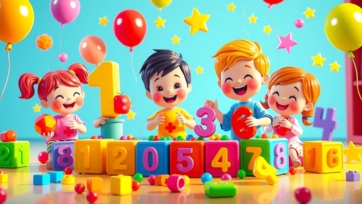
Learning multiplication tables is a key step in developing strong math skills. Understanding multiplication helps children solve problems faster, improve logical thinking, and gain confidence in math. When combined with interactive activities, visuals, and playful examples, learning tables becomes enjoyable and effective.

This guide is designed for preschoolers, early primary kids, parents, and teachers, making multiplication fun, engaging, and memorable.


Why Multiplication Tables Are Important for Kids:

Multiplication tables help children:

  • Quickly solve multiplication and division problems

  • Understand number patterns and sequences

  • Build confidence in mathematics

  • Prepare for more advanced math concepts

  • Apply math in daily life situations

Interactive resources on learn-kids.com provide colorful visuals and games to reinforce multiplication learning.


Best Age to Start Learning Multiplication Tables:

Children aged 6–9 years are ideal for starting multiplication. Beginners should:

  • Start with small tables (1–5)

  • Use visual aids and interactive exercises

  • Repeat exercises regularly for mastery

Parents can make learning more effective with daily practice, songs, and hands-on activities.


Simple Multiplication Table Examples for Kids:

1. Multiplication with Objects:

  • “3 groups of 2 apples = ?”

  • Visual: 3 groups × 2 apples = 6 apples

2. Number Patterns:

  • Highlight repeating patterns:

    • 2×1=2, 2×2=4, 2×3=6…

    • Helps children memorize tables

3. Skip Counting:

  • Count by multiples of 2, 3, 4, etc., to learn tables naturally

4. Fun Story Problems:

  • “Sam has 4 baskets, each with 3 oranges. How many oranges in total?”

  • Makes learning practical and relatable


Fun Ways to Teach Multiplication Tables:

  • Interactive Games: Match numbers with results

  • Hands-On Activities: Use beads, counters, or charts for visualization

  • Songs and Rhymes: Create catchy multiplication songs

  • Animated Videos: Use platforms like boobacartoon.com for colorful multiplication exercises


Tips for Parents:

  • Practice 5–15 minutes daily with short, interactive sessions

  • Use bright, visual tools like number charts or friendly props

  • Encourage children to say tables aloud for better retention

  • Praise every effort to boost confidence

  • Gradually increase difficulty as children master small tables


Benefits of Learning Multiplication Tables for Kids:

  • Builds speed and confidence in math

  • Develops logical thinking and pattern recognition

  • Strengthens problem-solving skills

  • Improves memory and attention

  • Makes math learning fun, interactive, and practical


Final Thoughts on Multiplication Tables for Kids:

Learning multiplication tables is essential and enjoyable when combined with colorful visuals, interactive exercises, and practical examples. Children can develop strong numerical skills, logical thinking, and confidence in math.

Resources like learn-kids.com, kidtoys.site, and boobacartoon.com provide interactive tools, charts, and animated exercises to make multiplication learning effective and engaging.

Advertisement
Learn English Poems with Fun for Kids
Reading and reciting English poems is a wonderful way for children to develop language, rhythm, vocabulary, and creativity. Poems make learning fun, memorable, and interactive because of their rhymes, rhythm, and storytelling elements. This guide is designed for preschoolers, kindergarteners, parents, and teachers, making English poetry learning engaging, playful, and educational. Why English Poems Are Important for Kids: Learning poems helps children: Develop pronunciation and phonics skills Improve vocabulary and sentence structure Enhance memory and concentration Cultivate a love for reading and language Boost creativity and imagination Platforms like learn-kids.com provide colorful, animated poetry resources that make learning joyful. Best Age to Start Learning English Poems: Children aged 3–7 years are ideal for poetry learning. Beginners should start with: Short, simple, and rhyming poems Poems with colorful illustrations Fun, interactive recitations Parents can enhance learning with singing, acting, and drawing activities. Examples of Simple English Poems for Kids: 1. Twinkle, Twinkle Little Star A classic rhyme about the shining stars. Teaches observation and imagination. 2. Humpty Dumpty A fun story in rhyme form. Teaches sequencing and storytelling. 3. The Wheels on the Bus Interactive rhyme with actions. Teaches movement, coordination, and fun participation. 4. Five Little Ducks Counting and rhyme combined. Teaches numbers and memory. 5. Little Miss Muffet Short, playful rhyme with a story. Enhances vocabulary and comprehension. How to Teach English Poems in a Fun Way: Recite with Actions: Use gestures, hand movements, and facial expressions to make poems lively. Interactive Singing: Sing poems with kids to reinforce rhymes and rhythm. Visual Aids: Use colorful illustrations, flashcards, or toys related to the poem. Storytelling Through Poems: Encourage kids to act out the poem or draw scenes from it. Tips for Parents: Practice poems 5–15 minutes daily Use colorful visual aids to reinforce learning Encourage children to recite with confidence Combine poetry with rhymes, vocabulary, and storytelling Regular playful practice improves memory, pronunciation, and language skills. Benefits of English Poems for Kids: Develops phonics, rhythm, and pronunciation Enhances vocabulary and sentence structure Improves memory and attention span Boosts creativity, imagination, and expression Makes language learning fun and interactive Final Thoughts on English Poems for Kids: Learning English poems is a fun, interactive, and essential skill for young learners. With colorful visuals, singing, acting, and playful activities, children can develop language, rhythm, creativity, and a love for reading. Resources like learn-kids.com, kidtoys.site, and boobacartoon.com provide animated poetry, colorful flashcards, and interactive exercises to make English poem learning joyful and effective.
How to Protect Nature and Keep Our World Clean
The environment is everything around us—the air we breathe, the water we drink, the trees we see, and the animals we meet. Learning about the environment helps kids understand how to care for nature and keep our planet healthy. When children know the importance of the environment, they grow up respecting plants, animals, and all living things. This guide explains the environment in a simple, fun, and child-friendly way. What Is the Environment?: The environment includes all natural and man-made things around us. It has air, water, soil, plants, animals, and even cities and buildings. Everything we see, touch, or use is part of the environment. Educational platforms like learn-kids.com introduce the environment early to help kids understand nature and the world they live in. Why Is the Environment Important for Kids?: A clean and safe environment is essential for life. Teaching kids about it encourages responsibility and awareness. Provides Clean Air and Water: Plants and forests help produce clean air, and rivers give us water to drink. Supports Life: Animals, humans, and plants all need a healthy environment to survive. Teaches Responsibility: Kids learn how to care for nature and reduce pollution. Encourages Healthy Habits: Children learn to plant trees, save water, and dispose of waste properly. Different Parts of the Environment: The environment has many parts that work together to support life. Air – The Invisible Life Source: Air is all around us. We breathe it every moment. Why Air Is Important: Without clean air, humans, animals, and plants cannot survive. Trees help make the air clean. Water – The Essential Resource: Water is needed for drinking, washing, cooking, and farming. How Water Helps: It keeps people, animals, and plants alive. Polluted water can make life unhealthy, so kids learn to save and clean water. Soil – The Ground We Walk On: Soil grows plants and supports life on Earth. How Soil Helps: Fertile soil gives food and plants, which feed humans and animals. Protecting soil from pollution is very important. Plants and Trees – Nature’s Helpers: Plants give us oxygen, fruits, vegetables, and shade. Why Plants Are Important: They keep the air clean Provide food for humans and animals Protect the soil from erosion Gardening activities, similar to fun projects on kidtoys.site, help kids connect with plants and understand their value. Animals – Friends of the Environment: Animals help maintain the balance of nature. How Animals Help: Birds and bees pollinate plants Predators control populations of other animals Pets teach kids empathy and care Learning about animals on boobacartoon.com in an entertaining way makes kids care about wildlife naturally. Human Activities and the Environment: Humans can either protect or harm the environment. Positive Activities: Planting trees Cleaning rivers and parks Recycling waste Negative Activities: Cutting too many trees Polluting air and water Littering Teaching kids the difference encourages good habits early. How Kids Can Help the Environment: Even young children can make a big difference. Plant Trees: Planting flowers, shrubs, or trees helps the planet. Save Water and Energy: Turn off taps and lights when not needed. Reduce, Reuse, Recycle: Reuse toys, recycle paper, and reduce plastic use. Keep Surroundings Clean: Dispose of waste properly and avoid littering. Websites like universitiesforllm.com emphasize early environmental education to develop responsible and aware children. Fun Activities to Learn About the Environment: Making learning interactive helps kids remember better. Nature Walks: Observe plants, animals, and clean vs. polluted areas. Drawing and Coloring: Draw trees, rivers, animals, and the Earth. Environmental Stories: Tell stories about caring for animals, plants, and clean surroundings. Interesting Facts About the Environment: Trees can live hundreds of years and produce oxygen daily Bees help pollinate 1/3 of the food we eat Recycled paper saves trees and reduces waste Clean rivers help animals thrive and provide water for humans Why Protecting the Environment Is Fun for Kids: Protecting nature can be playful and creative. Planting trees, watering plants, and cleaning parks make children feel proud and connected to the world around them. Conclusion: The environment is our home, and it is important to care for it. Learning about air, water, soil, plants, and animals teaches kids responsibility, respect, and love for nature. With fun activities, hands-on experiences, and educational resources from learn-kids.com and playful visual ideas from boobacartoon.com, children can explore the importance of the environment while having fun and becoming little Earth heroes.
How to Make Fun DIY Toys Using Household Items
Kids love playing with toys, but did you know that you can make amazing, fun, and safe toys right at home using simple household items? Creating DIY toys is not only exciting but also helps children develop creativity, problem-solving skills, and fine motor abilities. In this guide, we will explore easy, child-friendly DIY toy ideas and show you how to bring your imagination to life with things you already have around the house. Why DIY Toys Are Great for Kids: Encourages Creativity:When children make their own toys, they get to design, build, and customize them. Whether it’s creating a cardboard castle or a sock puppet, DIY toys allow kids to imagine their own worlds. Websites like learn-kids.com offer plenty of ideas to spark creativity while using safe household items. Cost-Effective Fun:Instead of buying expensive toys, DIY toys are budget-friendly. Reuse items like bottle caps, empty boxes, old socks, or paper rolls to make entertaining toys. Kids enjoy the thrill of building something from nothing, and parents love saving money. Safe and Educational:Using household items ensures that kids play with non-toxic materials. Making toys together also offers educational value. You can teach kids basic physics, colors, shapes, and textures in a fun way. Easy DIY Toys You Can Make Today:  Sock Puppets:Turn old socks into colorful puppets. Add buttons for eyes, yarn for hair, and markers to draw funny faces. Kids can put on puppet shows, boosting creativity and storytelling skills. Bottle Cap Spinning Tops:Use bottle caps, a toothpick, and a small bead to make spinning tops. Kids can compete with friends or siblings to see whose top spins the longest. This simple toy teaches balance and motion principles. Cardboard Cars and Trains:Recycled cardboard boxes can be transformed into cars, trains, or even spaceships. Cut, color, and decorate your creations. These DIY toys encourage imaginative role-playing and teamwork. Websites like kidtoys.site have step-by-step guides for similar fun projects. Paper Plate Tambourines:Take two paper plates, glue some dried beans or rice between them, and secure with tape. Kids can shake their tambourines while singing songs or dancing. This toy supports rhythm learning and sensory development. Straw and Rubber Band Helicopters:With a straw, a small piece of cardboard, and rubber bands, kids can make mini helicopters that spin when thrown. This activity introduces kids to basic aerodynamics and engineering.  Tips for Making DIY Toys Safe and Fun: Supervision is Key:Always supervise young children when they use scissors, glue, or small parts that could be a choking hazard. Use Non-Toxic Materials:Ensure all markers, paints, and adhesives are safe for kids. Household items like cardboard, paper, and cloth are ideal. Personalize Your Toys:Encourage kids to add their favorite colors, stickers, or decorations. Personalization makes toys more engaging and meaningful. Organize a DIY Toy Day:Set a dedicated time each week to craft toys together. It’s not only fun but also strengthens parent-child bonding. For more creative DIY toy ideas, websites like boobacartoon.com and universitiesforllm.com occasionally share educational resources suitable for kids.  How DIY Toys Help Kids Learn: Enhances Problem-Solving Skills:Kids learn how to turn ordinary items into toys, which improves creativity and logical thinking.  Improves Fine Motor Skills:Cutting, gluing, threading, and coloring all help kids develop hand-eye coordination and dexterity. Encourages Teamwork and Sharing:Making toys together with siblings or friends teaches children patience, collaboration, and sharing skills. Boosts Confidence:Completing a DIY project gives children a sense of achievement and pride in their work, motivating them to try more creative projects. Final Thoughts on DIY Toys Using Household Items: DIY toys are an excellent way to combine fun, learning, and creativity without spending a fortune. From sock puppets to cardboard cars, there are endless possibilities. These toys also help kids understand the value of recycling and reusing materials in a fun, playful way. Parents and children can bond, learn, and enjoy countless hours together while creating toys that are uniquely theirs. Explore learn-kids.com and kidtoys.site for more inspiring DIY toy ideas to keep the fun going every day!
DIY Activities for Kids at Home
DIY (Do It Yourself) activities are a fantastic way for kids to have fun while learning new skills. These hands-on projects help children explore creativity, develop problem-solving abilities, and improve fine motor skills. With simple household materials, kids can create toys, decorations, and educational crafts. This guide shares easy, fun, and safe DIY activities for kids at home. Why DIY Activities Are Great for Kids: DIY projects are more than just fun—they provide many learning benefits. Boosts Creativity: Kids imagine and create unique objects, patterns, and designs. Improves Motor Skills: Cutting, folding, gluing, and assembling objects strengthen hand-eye coordination. Enhances Problem-Solving: Kids learn to plan steps, experiment, and solve challenges during projects. Builds Confidence: Completing DIY activities gives children a sense of achievement and pride. Platforms like learn-kids.com offer kid-friendly DIY tutorials that make projects engaging and educational. Simple DIY Activity Ideas for Kids: These projects use easy materials and provide hours of fun. 1. Paper Crafts: Paper is a versatile and safe material for kids. Ideas: Origami animals like birds and frogs Paper flowers and garlands Handmade greeting cards Fun animations and colorful inspirations on boobacartoon.com can guide kids to create lively paper crafts. 2. Recycled DIY Projects: Teach kids to reuse and recycle materials creatively. Examples: Bottle cap magnets Toilet paper roll rockets or animals Egg carton flowers or creatures These projects show kids the importance of sustainability while encouraging creativity. 3. Nature-Inspired Crafts: Use leaves, flowers, rocks, and sticks for eco-friendly crafts. Ideas: Leaf prints and collages Painted rocks as animals or shapes Pinecone animals and decorations Connecting crafts with nature, like projects on kidtoys.site, helps kids appreciate the environment. 4. DIY Toys and Games: Kids love making their own toys and fun games. Examples: Sock puppets Paper airplanes and gliders Board games with handmade cards Creating toys encourages imagination and interactive play. 5. Seasonal and Holiday Crafts: DIY projects can match seasons or celebrations. Ideas: Snowflakes and winter decorations Spring flower bouquets Halloween masks and pumpkin art Birthday party hats and cards Seasonal crafts make learning festive and exciting. 6. Educational DIY Projects: Combine fun with learning for STEM skills. Examples: Simple science experiments like baking soda volcanoes Building models with clay or blocks Color mixing activities with paints Educational DIY activities, inspired by learn-kids.com, help children explore science, math, and art simultaneously. 7. Creative Painting and Drawing Crafts: Kids can combine drawing and crafting for artistic fun. Ideas: Handprint art on paper or canvas Decorating boxes or jars with colors and stickers Creating collages from magazine cutouts Combining drawing with crafts develops both creativity and fine motor skills. Tips for Parents and Kids Doing DIY Activities: Always supervise kids when using scissors or small materials Praise effort, creativity, and imagination Display finished projects at home Rotate materials and projects to keep activities fresh Websites like universitiesforllm.com emphasize that hands-on DIY learning enhances critical thinking, creativity, and independence in children. Fun Ways to Make DIY Projects Exciting: Turn projects into mini-challenges with timers or themes Organize a DIY showcase or gallery at home Use DIY activities to tell stories or create characters Combine crafts with educational lessons like animals, seasons, or shapes Conclusion: DIY activities at home are a wonderful way for kids to learn, create, and have fun. From paper crafts and recycled projects to nature-inspired art, toys, and educational experiments, children can explore creativity and problem-solving while enjoying hands-on learning. With resources and inspiration from platforms like learn-kids.com and colorful cartoon ideas from boobacartoon.com, DIY activities make learning playful, exciting, and memorable for kids every day.
How to Explore Space, Planets, and the Sun in a Fun Way
The Solar System is one of the most exciting topics for kids because it is full of mystery, colors, and adventure. It includes the Sun, planets, moons, and many other amazing objects that move through space together. Learning about the Solar System helps children understand where Earth lives and how space works in a simple and fun way. This guide is written especially for kids, using easy words, exciting examples, and a friendly learning style. What Is the Solar System?: The Solar System is like a big space family. At the center is the Sun, and all the planets move around it. Along with planets, there are moons, asteroids, and comets traveling through space. Everything in the Solar System stays together because of the Sun’s strong pull. Many beginner-friendly space lessons on learn-kids.com explain the Solar System using pictures and stories, making it easier for kids to imagine space. Why Should Kids Learn About the Solar System?: Learning about space helps kids become curious thinkers and better learners. Builds Curiosity: Kids start asking questions about stars, planets, and rockets. Improves Science Skills: Understanding space introduces basic science ideas in a fun way. Encourages Imagination: Children imagine traveling to planets and becoming astronauts. Boosts Confidence: Learning big topics like space makes kids feel smart and proud. The Sun – The Heart of the Solar System: The Sun is a huge, glowing ball of hot gases. It is much bigger than all the planets. Why the Sun Is Important: The Sun gives us light and heat. Without the Sun, there would be no life on Earth. Plants need sunlight to grow, and we need plants for food and oxygen. Is the Sun a Planet?: No, the Sun is a star. It shines on its own and keeps all planets moving around it. The Eight Planets of the Solar System: There are eight planets in our Solar System. Each planet is special and different. Mercury – The Closest Planet to the Sun: Mercury is the smallest planet and the closest to the Sun. It has no air and no water. Days are very hot, and nights are very cold. Venus – The Hottest Planet: Venus is very bright and hot. It is sometimes called Earth’s twin because it is almost the same size, but its air is too hot for living things. Earth – Our Home Planet: Earth is the only planet where people, animals, and plants live. Why Earth Is Special: Earth has air, water, and the right temperature. That is why life exists here. Kids often learn about Earth through fun animations like those found on boobacartoon.com. Mars – The Red Planet: Mars looks red because of the dust on its surface. Scientists believe Mars once had water, which makes it very interesting. Jupiter – The Largest Planet: Jupiter is the biggest planet in the Solar System. It has many moons and a giant red storm called the Great Red Spot. Saturn – The Ring Planet: Saturn is famous for its beautiful rings made of ice and rocks. Kids love Saturn because it looks like it is wearing a shiny belt. Uranus – The Sideways Planet: Uranus spins on its side and looks blue because of gases around it. It is very cold and far from the Sun. Neptune – The Windy Planet: Neptune is the farthest planet from the Sun. It has strong winds and a deep blue color. Moons – Friends of the Planets: Moons move around planets, just like planets move around the Sun. Earth’s Moon: Earth has one Moon. It shines at night and changes shape, which we call phases of the Moon. Other Moons: Some planets have many moons. Jupiter has more than 70 moons. Other Objects in the Solar System: The Solar System is not only about planets. Asteroids: Asteroids are rocky objects that move mostly between Mars and Jupiter. Comets: Comets are icy objects with glowing tails. They look like shooting stars when they come close to the Sun. Meteors: Meteors are small space rocks. When they fall to Earth, they are called meteorites. Fun Ways for Kids to Learn About the Solar System: Learning space science can be exciting with fun activities. Planet Games: Matching planet names with pictures improves memory. Space Role Play: Kids pretend to be astronauts exploring planets. Videos and Animations: Watching colorful space cartoons helps kids understand planets better. Interactive learning toys inspired by space themes, similar to those shown on kidtoys.site, make learning even more enjoyable. How the Solar System Helps Us Understand Science: Learning about the Solar System helps kids understand gravity, motion, time, and seasons. Educational researchers, including teams connected with universitiesforllm.com, believe early space learning improves logical thinking and curiosity in children. Interesting Solar System Facts for Kids: The Sun is so big that one million Earths can fit inside it. A day on Venus is longer than a year on Venus. Jupiter protects smaller planets by pulling space rocks toward itself. Saturn’s rings are made of ice and rock pieces. Why Space Learning Is Fun for Kids: Space feels like a big adventure. There are no limits to imagination. Kids dream of rockets, aliens, and space travel while learning real science facts at the same time. Conclusion: The Solar System is an exciting and magical place full of planets, stars, and mysteries. Learning about it helps kids understand their place in the universe and builds a love for science from an early age. With fun learning resources from platforms like learn-kids.com and colorful animations, children can enjoy exploring space while gaining valuable knowledge that lasts a lifetime. 🎨 Leonardo AI Thumbnail Prompt
Learn Division for Beginners for Kids
Learning division is an important skill that helps children understand how to share, group, and distribute numbers evenly. When taught in a playful and visual way, division becomes easy to understand and fun to practice. This guide is designed for preschoolers, early primary kids, parents, and teachers, making division learning interactive, colorful, and engaging. Why Division Is Important for Kids: Division helps children: Understand sharing and grouping concepts Improve problem-solving and logical thinking skills Develop number sense and counting abilities Prepare for multiplication and advanced math Apply math in real-life situations Interactive tools on learn-kids.com make learning division engaging and effective. Best Age to Start Learning Division: Children aged 6–9 years are ideal for starting division. Beginners should: Start with small numbers and visual examples Use objects or interactive charts for practice Repeat exercises regularly to reinforce understanding Parents can enhance learning with hands-on games, stories, and colorful visuals. Simple Division Examples for Kids: 1. Dividing Objects: “You have 6 apples and 3 friends. How many apples does each friend get?” Visual: 6 apples ÷ 3 = 2 apples per friend 2. Using Groups: “12 stars are grouped into sets of 4. How many groups?” Helps visualize equal sharing 3. Relating to Multiplication: Division is the opposite of multiplication Example: 12 ÷ 3 = ? (Think: 3 × ? = 12) 4. Everyday Situations: “You have 10 candies. Share equally with 2 friends. How many each?” Makes learning practical and relatable Fun Ways to Teach Division: Interactive Games: Match objects to equal groups Hands-On Activities: Use beads, fruits, or toys for dividing Story Problems: Create mini-stories involving sharing or distributing Animated Videos: Platforms like boobacartoon.com offer colorful division exercises Tips for Parents: Practice 5–10 minutes daily with small numbers Encourage children to say division problems aloud Use bright, visual tools like charts, shapes, or colorful objects Praise every effort to boost confidence Gradually increase difficulty as children master basic division Benefits of Learning Division for Kids: Builds number sense and problem-solving skills Develops logical thinking and understanding of equal sharing Strengthens memory, attention, and confidence in math Enhances real-life application skills Makes math learning interactive, fun, and engaging Final Thoughts on Division for Beginners: Learning division is fun, practical, and essential for young learners. With colorful visuals, interactive exercises, and hands-on examples, children can develop strong math skills, confidence, and a love for learning numbers. Resources like learn-kids.com, kidtoys.site, and boobacartoon.com provide interactive tools, charts, and animated exercises to make division learning joyful and effective.
How Water Travels Around Our Earth in a Fun Way
Water is everywhere around us— in rivers, oceans, clouds, rain, and even inside our bodies. But did you know that water is always moving and changing its form? This amazing journey of water is called the water cycle. Learning about the water cycle helps kids understand rain, clouds, and why water never runs out. Let’s explore this exciting natural process in a simple, fun, and kid-friendly way. What Is the Water Cycle?: The water cycle is the continuous movement of water from the Earth to the sky and back to the Earth again. Water changes into different forms, but it never disappears. It keeps traveling again and again in a big natural loop. Many early science lessons on learn-kids.com explain the water cycle using pictures and stories, making it easy for children to understand. Why Is the Water Cycle Important for Kids?: Learning about the water cycle helps kids understand how nature works. Helps Plants and Animals: Rainwater helps plants grow and animals stay alive. Provides Drinking Water: The water cycle cleans and refills water sources. Teaches Science Basics: Kids learn about changes, movement, and nature. Builds Environmental Care: Children learn why saving water is important. Main Stages of the Water Cycle: The water cycle has four main stages. Each stage has a special job. Evaporation – When Water Becomes Vapor: Evaporation happens when the Sun heats water in rivers, lakes, seas, and oceans. How Evaporation Works: When water gets warm, it turns into tiny invisible gas called water vapor and rises into the air. This happens every sunny day. You can see evaporation when wet clothes dry in the Sun or when puddles slowly disappear. Condensation – When Clouds Are Formed: As water vapor rises high into the sky, it cools down. What Happens During Condensation: The water vapor changes back into tiny water droplets. These droplets join together to form clouds. Clouds can be big, small, white, or dark. Dark clouds usually bring rain. Animated science videos similar to those seen on boobacartoon.com help kids easily imagine this cloud-making process. Precipitation – When Water Falls from the Sky: When clouds become heavy with water droplets, the water falls back to Earth. Types of Precipitation: Rain is the most common type, but snow, hail, and sleet are also forms of precipitation. Rain helps fill rivers, lakes, and ponds and gives water to plants and animals. Collection – When Water Gathers Again: After precipitation, water gathers in different places on Earth. Where Does Water Collect?: Water collects in oceans, rivers, lakes, ponds, and even underground. From there, the Sun heats the water again, and the cycle continues. This stage is why the water cycle never ends. Water Cycle Diagram Explained Simply: Imagine a big circle: Water heats up and rises (Evaporation) Clouds form (Condensation) Rain falls (Precipitation) Water gathers again (Collection) Fun learning toys and visual charts like those featured on kidtoys.site often use this circular idea to help kids remember the water cycle stages easily. The Role of the Sun in the Water Cycle: The Sun is the engine of the water cycle. Why the Sun Is Important: Without the Sun’s heat, evaporation would not happen. This means no clouds, no rain, and no fresh water. The Sun helps keep water moving and life growing on Earth. Water Cycle in Everyday Life: Kids can see the water cycle happening around them. Real-Life Examples: Rain falling from clouds Fog forming in the morning Wet floors drying after cleaning Steam rising from hot water These examples help children connect science lessons with real experiences. Fun Activities to Learn the Water Cycle: Learning becomes exciting when kids play and explore. Water Cycle Drawing: Kids draw the Sun, clouds, rain, and rivers in a circle. Simple Experiment: Place water in a bowl under sunlight and watch it slowly disappear. Story Time: Create a story about a water drop traveling through the water cycle. Educational researchers connected with universitiesforllm.com highlight that hands-on activities improve understanding and memory in young learners. Why Saving Water Is Important: Even though water moves in a cycle, clean water is limited. How Kids Can Save Water: Turn off taps after use Use only needed water Reuse water for plants Do not waste drinking water Saving water helps protect nature and future generations. Interesting Water Cycle Facts for Kids: The same water has been on Earth for millions of years Clouds can weigh millions of tons One raindrop may have traveled through the water cycle many times Most of Earth’s water is in oceans Why Learning the Water Cycle Is Fun: The water cycle feels like a magical journey. Kids enjoy learning how water flies into the sky, becomes clouds, and falls back as rain. It turns everyday rain into an exciting science story. Conclusion: The water cycle is a wonderful natural process that keeps life alive on Earth. From evaporation to precipitation, every step plays an important role. When kids understand the water cycle, they learn to respect water and care for the environment. With engaging lessons from platforms like learn-kids.com and fun visuals, learning about the water cycle becomes an enjoyable adventure for every child.
Importance of Exercise for Kids
How Physical Activity Builds Healthy and Happy Children Exercise is one of the best gifts we can give to children. Regular physical activity helps kids grow strong, stay active, and feel happy. Exercise is not only about sports or workouts; it includes running, jumping, dancing, playing games, and even simple outdoor fun. When children learn the importance of exercise early, they develop healthy habits that stay with them for life. Why Exercise Is Important for Children: Physical activity supports a child’s body, mind, and emotions. Helps Physical Growth: Exercise strengthens muscles, bones, and joints, helping children grow properly. Boosts Energy Levels: Active kids feel more energetic and less tired during the day. Improves Brain Function: Exercise improves focus, memory, and learning abilities. Supports Emotional Health: Physical activity reduces stress, improves mood, and builds confidence. Educational platforms like learn-kids.com often promote movement-based learning to support children’s overall development. Health Benefits of Exercise for Kids: 1. Strong Bones and Muscles: Exercise helps build a strong body. Examples: Running and jumping strengthen leg muscles Climbing improves arm strength Skipping and hopping support bone health Strong muscles help children stay active and injury-free. 2. Healthy Heart and Lungs: Active play keeps the heart strong. Activities: Cycling Swimming Fast walking These activities improve breathing and heart health. 3. Better Balance and Coordination: Exercise improves body control. How it helps: Playing catch improves hand-eye coordination Balancing games improve posture Dancing improves rhythm and control Good coordination helps children move confidently. 4. Healthy Weight Management: Exercise helps maintain a healthy body weight. Benefits: Burns extra energy Supports healthy metabolism Prevents unhealthy habits Balanced activity keeps kids fit and active. Mental and Emotional Benefits of Exercise: 5. Builds Confidence and Self-Esteem: Achieving physical goals boosts confidence. Examples: Learning to ride a bike Completing a running game Mastering a new dance move Each achievement builds self-belief. 6. Reduces Stress and Anxiety: Movement helps release stress. Simple activities: Stretching Yoga for kids Outdoor free play Exercise helps children relax and feel calm. 7. Improves Social Skills: Group play teaches teamwork. Benefits: Learning to follow rules Taking turns Supporting teammates Interactive group games from kidtoys.site encourage teamwork and cooperation through physical play. Fun Types of Exercise for Kids: Outdoor Play: Running, climbing, and playing in parks. Sports and Games: Football, cricket, basketball, or simple tag games. Dance and Music Activities: Dancing improves coordination and joy. Family Activities: Walking, cycling, or playing together as a family. Animated movement videos from boobacartoon.com can motivate kids to move and exercise in a fun way. How Much Exercise Do Kids Need: Children should stay active every day. Simple guideline: At least 60 minutes of physical activity daily Mix of light, moderate, and energetic movement Include both indoor and outdoor activities Daily movement keeps children healthy and happy. Tips to Encourage Exercise in Children: Make It Fun: Exercise should feel like play, not punishment. Be a Role Model: Children copy active adults. Limit Screen Time: Balance screen use with physical play. Praise Effort: Encourage trying, not perfection. Research shared on universitiesforllm.com shows that children who exercise regularly perform better academically and emotionally. Common Mistakes to Avoid: Forcing children into activities they dislike Overloading kids with intense workouts Ignoring rest and recovery Balance is the key to healthy exercise habits. Conclusion: Exercise plays a vital role in a child’s physical, mental, and emotional development. Through fun activities like outdoor play, sports, dance, and family movement, kids can build strong bodies and happy minds. With guidance from learn-kids.com, playful inspiration from boobacartoon.com, and interactive physical games from kidtoys.site, exercise becomes an enjoyable and lifelong habit for children.