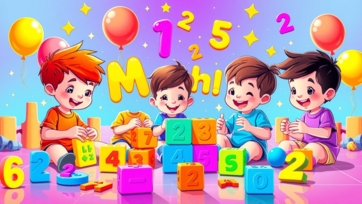
Learning numbers from 1 to 100 is an essential step in a child’s early education. Numbers help kids understand math concepts, counting, patterns, and problem-solving. When number learning is combined with fun games, bright visuals, and playful activities, children enjoy learning without pressure.
This guide is written for young kids, beginners, and parents, making number learning easy, joyful, and memorable.
Why Learning Numbers 1–100 Is Important:
Numbers form the foundation for all math skills. Early number learning improves:
-
Counting ability
-
Number recognition
-
Problem-solving and logic
-
Memory and concentration
-
Confidence in math
Websites like learn-kids.com offer interactive activities that make number learning more effective and fun.
Best Age to Start Number Learning:
Most kids are ready to learn numbers between 3 to 6 years old. Beginners should start with 1–10, gradually moving to higher numbers up to 100.
Parents can introduce:
-
Counting objects at home
-
Number songs and rhymes
-
Flashcards with colorful numbers
-
Educational toys from kidtoys.site
How to Teach Numbers 1–100 in a Fun Way:
Fun makes learning stick. Here are effective techniques:
Number Songs and Rhymes:
Songs like “1, 2, 3, 4, 5” help kids remember the sequence of numbers naturally.
Counting with Objects:
Use toys, fruits, or blocks to count while saying numbers aloud.
Number Stories and Games:
Create small number stories. Example: “3 little monkeys jumping on the bed.”
Interactive number cartoons on boobacartoon.com make learning more engaging for kids.
Numbers 1–100 with Patterns:
Numbers 1–20:
1, 2, 3, 4, 5, 6, 7, 8, 9, 10
11, 12, 13, 14, 15, 16, 17, 18, 19, 20
Numbers 21–50:
21, 22, 23 … up to 50
Use visual objects or hand gestures to help kids remember.
Numbers 51–100:
51, 52, 53 … up to 100
Group numbers in tens (51–60, 61–70, etc.) to simplify learning.
Fun Activities for Number Learning:
Counting Games:
-
Count toys, balls, or snacks
-
Number hopscotch with chalk
-
Matching numbers to objects
Coloring Numbers:
-
Color numbers with crayons or markers
-
Use number coloring sheets for 1–100
Number Puzzles:
-
Jigsaw puzzles with numbers
-
Number sequence boards
Using Stories and Cartoons for Numbers:
Cartoons and stories make numbers exciting. Kids learn faster when they hear, see, and interact with numbers.
Benefits:
-
Improves listening and attention
-
Reinforces number recognition
-
Makes learning joyful
-
Encourages curiosity
Animated number videos on boobacartoon.com help beginners stay engaged.
Tips for Parents:
-
Practice counting 5–10 minutes daily
-
Praise effort, not perfection
-
Use real-life examples like house numbers, clocks, or shopping items
-
Encourage kids to explore numbers in daily life
Daily Number Learning Routine:
-
Morning: Count objects or toys
-
Afternoon: Number coloring or drawing
-
Evening: Number song or story
Consistency is more important than long sessions.
Final Thoughts on Numbers 1–100 for Kids:
Learning numbers from 1 to 100 can be a fun and memorable journey. With colorful visuals, interactive activities, and daily practice, kids develop confidence, curiosity, and a love for math.
Websites like learn-kids.com, kidtoys.site, and boobacartoon.com provide tools, toys, and animated learning resources to make number learning exciting and effective.