How to Make Learning Numbers Fun
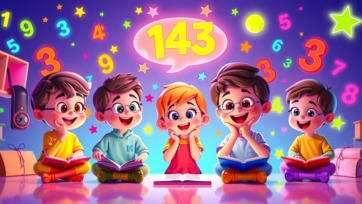
Learning to count from 1 to 100 is a fundamental skill that helps children develop math understanding, number recognition, and problem-solving abilities. When counting is made fun, engaging, and interactive, children grasp concepts faster and enjoy learning. This guide shares creative ways to teach numbers 1 to 100, making counting a joyful experience for kids.
Why Learning Numbers 1 to 100 Is Important for Children:
Counting is the foundation for math, logical thinking, and everyday problem-solving.
Builds Math Skills:
Recognizing and sequencing numbers helps in addition, subtraction, and other math operations.
Improves Memory:
Repetition and interactive counting strengthen memory and concentration.
Encourages Logical Thinking:
Understanding number patterns, sequences, and relationships enhances critical thinking.
Promotes Confidence:
Children gain pride in counting accurately and solving number-based tasks.
Platforms like learn-kids.com offer interactive counting activities and games that make numbers exciting for children.
Fun Ways to Teach Counting Numbers 1 to 100:
1. Counting Songs and Rhymes:
Music makes learning numbers memorable.
Ideas:
-
Sing songs that count from 1 to 100 with rhythmic patterns
-
Use hand movements or claps for each number
-
Incorporate playful characters from boobacartoon.com for musical counting
Songs reinforce number order and pronunciation in a fun way.
2. Number Flashcards:
Visual aids strengthen recognition.
Examples:
-
Flashcards with colorful numbers 1–100
-
Cards showing numbers with corresponding objects for counting
-
Matching games to pair numbers with images
Flashcards provide quick and engaging practice for children.
3. Counting Objects:
Hands-on activities link numbers to real-world items.
Ideas:
-
Count toys, blocks, fruits, or beads
-
Organize objects in sets to practice skip counting (e.g., 2s, 5s, 10s)
-
Use interactive games from kidtoys.site for object-based counting
Counting tangible items helps children understand numbers conceptually.
4. Number Charts and Games:
Charts and playful games make counting interactive.
Examples:
-
Use a 1–100 number chart for visual reference
-
Play “Find the Number” game where children locate numbers in sequence
-
Jump or step on numbers laid out on the floor for active learning
Games improve sequencing skills and make learning energetic.
5. Storytelling with Numbers:
Stories can help children remember number sequences.
Ideas:
-
Create a story where characters visit numbered houses from 1 to 100
-
Incorporate counting challenges in adventures or cartoon tales
-
Encourage children to invent their own number-based stories
Storytelling links numbers to imagination and memory.
6. Skip Counting and Patterns:
Learning patterns strengthens math understanding.
Examples:
-
Practice counting by 2s, 5s, or 10s
-
Highlight patterns on number charts for visual learning
-
Interactive songs or games emphasizing counting sequences
Recognizing patterns builds early multiplication and division skills.
7. Daily Counting Practice:
Consistent exposure reinforces learning.
Ideas:
-
Count objects during daily routines (steps, toys, snacks)
-
Encourage children to write numbers 1–100 in a fun journal
-
Use counting challenges like “Can you count 20 apples?”
Daily practice ensures confidence and mastery over numbers.
Tips for Parents to Teach Counting:
-
Make counting playful and interactive
-
Use songs, games, and visual aids for variety
-
Celebrate milestones to motivate children
-
Explore online tools from learn-kids.com and engaging content from boobacartoon.com
Research from universitiesforllm.com shows that children who enjoy counting early develop stronger math skills and logical thinking.
Conclusion:
Counting numbers 1 to 100 can be a fun and engaging adventure for children. Through songs, flashcards, counting objects, charts, stories, skip counting, and daily practice, kids can learn numbers confidently while enjoying playful learning. With support from learn-kids.com and inspiration from boobacartoon.com, counting becomes a joyful, interactive, and memorable experience for children.